


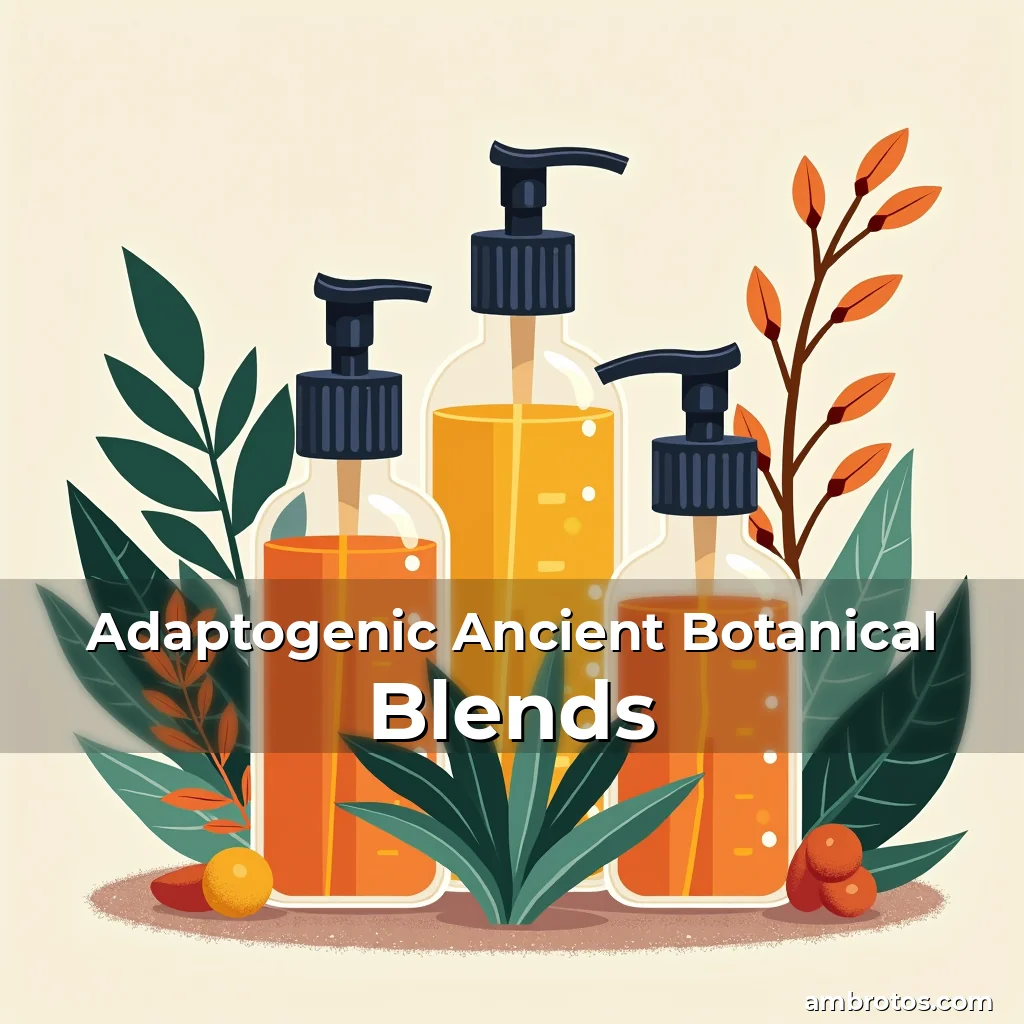
Adaptogenic Ancient Botanical Blends
The world of ancient botanicals offers a fascinating glimpse into humanity’s enduring relationship with nature’s healing properties. For millennia, cultures across continents have harnessed plant-based remedies to support physical health, mental clarity, and spiritual balance. These traditional practices laid the foundation for modern herbal medicine and continue to inspire contemporary wellness seekers.
Ancient botanical blends were not merely combinations of herbs; they represented holistic systems of care rooted in deep ecological knowledge and cultural wisdom. From the Ayurvedic formulations of India to the Chinese materia medica, these traditions demonstrate an intricate understanding of how plants interact with human physiology and psychology.
Origins of Traditional Herbal Wisdom
The roots of ancient botanical blends trace back to early civilizations that observed the natural world closely. Hunter-gatherer societies first discovered the medicinal potential of plants through trial, error, and oral tradition passed down over generations. This empirical knowledge formed the basis of some of the oldest medical texts still studied today.
Egyptians used garlic, myrrh, and frankincense extensively in both daily life and sacred rituals. Their Ebers Papyrus from around 1550 BCE contains hundreds of prescriptions demonstrating sophisticated understanding of plant interactions. Similarly, Mesopotamian healers recorded treatments using thyme, coriander, and cumin long before written records became widespread.
- Precursor to modern pharmacology: Early herbalists unknowingly created formulas resembling today’s drug synergies by combining plants with complementary effects
- Cultural preservation: Medicinal knowledge was often encoded within myths, religious ceremonies, and folktales to ensure transmission across centuries
- Ecological awareness: Indigenous communities developed sustainable harvesting methods that protected biodiversity while meeting healthcare needs
Global Tapestry of Healing Traditions
Different regions cultivated distinct approaches to botanical medicine based on local flora and philosophical frameworks. In South America, shamans combined Amazon rainforest plants like ayahuasca with other psychoactive substances during ritualistic healing sessions. Meanwhile, African tribes utilized baobab trees and devil’s claw for pain relief and digestive issues.
Traditional Chinese Medicine (TCM) established complex classification systems categorizing herbs by their energetic qualities—warming, cooling, drying, moistening—and how they affected meridians in the body. Indian Ayurveda similarly categorized plants according to dosha types (Vata, Pitta, Kapha), creating personalized treatment regimens tailored to individual constitutions.
Comparative Analysis of Healing Systems
While TCM focuses on balancing Yin-Yang energies through targeted herb pairings, Western herbalism emphasizes symptomatic treatment using single-plant extracts. However, many indigenous traditions maintained hybrid approaches where multiple plants worked together for enhanced efficacy.
Modern research increasingly validates these historical practices. Studies show that combinations like ginseng and rhodiola rosea create powerful adaptogen stacks that enhance stress resilience better than isolated compounds alone. This synergy principle mirrors what ancient practitioners intuitively understood through generations of observation.
Signature Adaptogens Through History
Several key plants emerged as foundational components in various healing traditions due to their broad-spectrum benefits. Ashwagandha, revered in Ayurveda since at least 600 BCE, gained recognition for its ability to regulate cortisol levels and enhance cognitive function. It remains one of the most widely researched adaptogens in modern science.
Turmeric, another staple ingredient in Indian medicine, demonstrates remarkable anti-inflammatory properties when combined with black pepper extract (piperine). This combination enhances bioavailability by up to 2000%, illustrating how ancient formulations anticipated molecular mechanisms only recently uncovered by scientists.
Synergistic Formulations Across Cultures
One notable example is the Tibetan formula known as Nadi-Kalpa, which combines seven different medicinal plants to address respiratory ailments. This blend includes ingredients like safflower, licorice root, and rock salt, each contributing uniquely to overall pulmonary health.
In contrast, Japanese Kampo medicine utilizes standardized herbal mixtures such as Sho-seiryu-san, a classic prescription containing eight herbs specifically targeting common cold symptoms. The precise ratios in these formulations reflect advanced pharmacological principles practiced thousands of years ago.
- Multifactorial approach: Ancient blends typically addressed multiple symptoms simultaneously rather than focusing on singular conditions
- Time-tested effectiveness: Many traditional formulas have been continuously used for centuries without losing relevance
- Bioindividuality considerations: Most traditional systems adjusted recipes based on age, seasonality, and environmental factors affecting the patient
Ritualistic Uses and Spiritual Significance
Many ancient botanical blends held profound spiritual significance beyond their physiological benefits. Sacred incense made from resins like benzoin and copal was burned in temples worldwide to purify spaces and facilitate meditation. These aromatic offerings were believed to bridge earthly existence with higher realms of consciousness.
In Mesoamerican culture, the preparation of pulque—a fermented beverage made from agave sap—was considered a divine gift from Quetzalcoatl, the feathered serpent god. Ritual consumption during festivals aimed to achieve altered states of perception and connect with ancestral spirits.
Preservation Challenges and Revival Efforts
Despite their rich history, many ancient botanical formulas face risks of being lost due to industrialization and globalization. Modern pharmaceutical companies often prioritize synthetic drugs over traditional preparations, leading to declining interest in older healing modalities.
However, grassroots movements are actively working to preserve and revitalize these ancient practices. Organizations like the Ethnobotanical Research Foundation document endangered medicinal knowledge while promoting ethical wildcrafting techniques that protect native ecosystems.
Scientific Validation of Time-Honored Practices
Recent scientific studies provide compelling evidence supporting the efficacy of many traditional herbal blends. Researchers analyzing the Siberian elixir called Eleutherococcus senticosus found that its active constituents significantly improved immune response markers after six weeks of regular use.
Similarly, clinical trials examining the Ayurvedic formulation Triphala revealed antioxidant activity comparable to commercial supplements containing vitamin C derivatives. These findings validate the intuitive wisdom embedded in ancient healing systems through rigorous experimental methodology.
Ethical Considerations in Contemporary Usage
As demand increases for ancient botanical products, ethical sourcing becomes crucial. Overharvesting threatens several rare species whose populations are already vulnerable due to habitat destruction. Sustainable alternatives include cultivating certain plants under controlled conditions instead of relying solely on wild collection.
Respecting intellectual property rights also matters significantly. Indigenous communities deserve fair compensation when their traditional knowledge contributes to commercially successful products. Transparent partnerships between researchers and source communities help establish equitable benefit-sharing agreements.
Integrating Ancient Knowledge Into Modern Wellness
Today’s wellness enthusiasts can incorporate elements of ancient botanical blending into their routines through mindful experimentation and education. Starting with simple home remedies allows individuals to observe personal responses before progressing to more complex formulations.
Finding trusted sources offering ethically harvested materials ensures quality and supports conservation efforts globally. Consulting qualified herbalists helps navigate safe usage guidelines, especially considering potential contraindications with existing medications or health conditions.
Conclusion
The legacy of ancient botanical blends continues to influence modern health practices through their time-proven effectiveness and holistic approach. By studying these historical formulations, we gain invaluable insight into nature’s capacity to heal and nourish the human spirit.
To honor this heritage meaningfully, consider exploring authentic preparations under professional guidance while advocating for responsible stewardship of our planet’s diverse botanical resources. Embracing ancient wisdom doesn’t require abandoning modern advancements—it invites us to cultivate deeper connections with both ourselves and the Earth.
“`


news is a contributor at Ambrotos.com. We are committed to providing well-researched, accurate, and valuable content to our readers.
You May Also Like


Earth-Based Nutrition vs Processed Foods
Rooted in Nature: Exploring Earth-Based Nutrition for Optimal Health In an era dominated by convenience foods and industrialized agriculture, returning...

The Essence of Wellness: Embracing Pure Ingredients for Holistic Living
The Essence of Wellness: Embracing Pure Ingredients for Holistic Living In an era dominated by convenience-driven diets and industrialized food...
Traditional Plant Foods vs Modern Diet
The Legacy of Traditional Plant-Based Diets in Modern Times In an era dominated by processed foods and globalized diets, traditional...
Ancient Wisdom Stress Management
Timeless Insights from Ancient Civilizations: Unlocking Ancient Wisdom for Modern Living In an age dominated by rapid technological advancements and...