


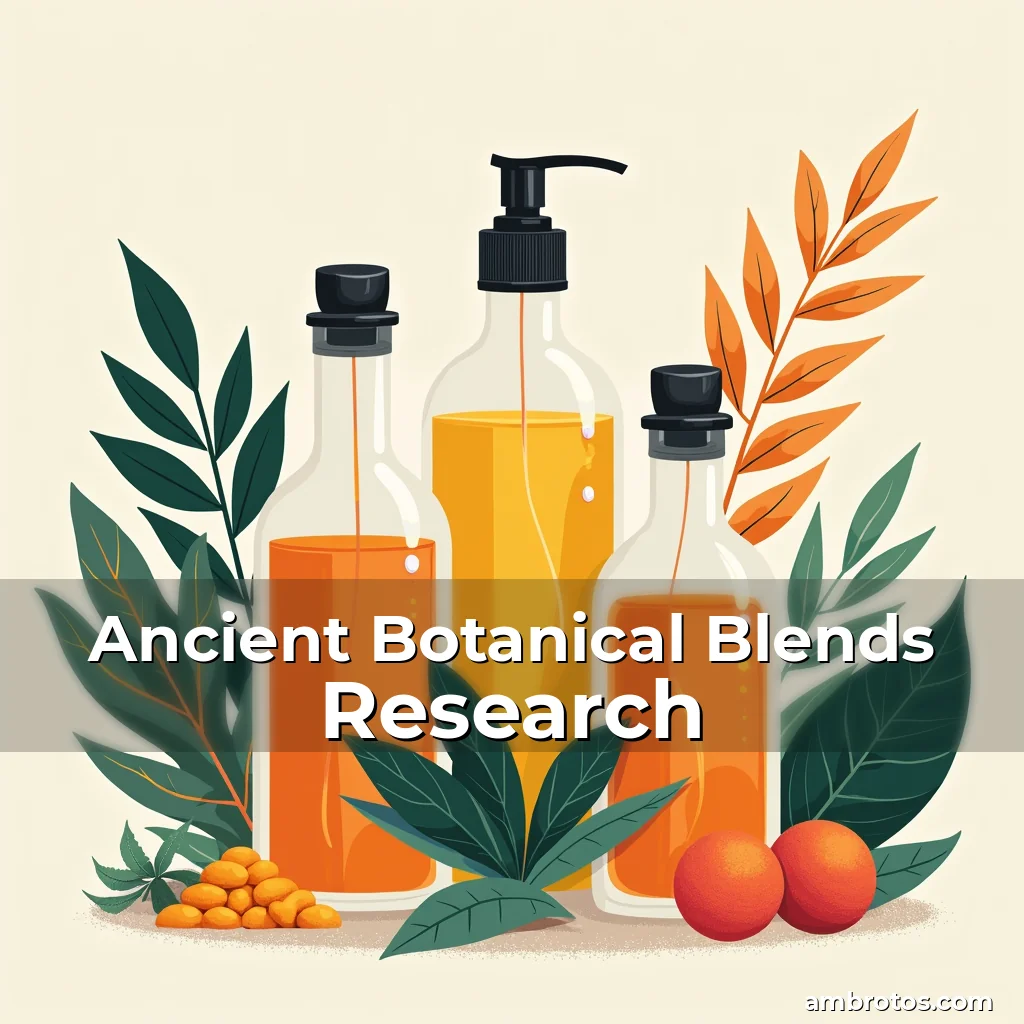
The Lost Art of Ancient Botanical Blends: Unearthing Nature’s Forgotten Remedies
In an era dominated by synthetic pharmaceuticals, the wisdom of ancient botanical blends offers a compelling alternative rooted in millennia of human experience. These intricate mixtures, crafted through careful observation and trial over centuries, were not merely medicinal but deeply intertwined with cultural rituals, spiritual practices, and daily life across civilizations.
From the sacred herbs of Mesopotamian healers to the Ayurvedic formulations preserved in Indian manuscripts, these blends reveal how early societies harnessed nature’s diversity to address physical ailments, emotional imbalances, and even cosmic harmony. This exploration delves into their origins, composition, and enduring legacy in modern holistic health movements.
Origins Across Civilizations
The earliest known records of botanical blending date back to Sumerian clay tablets from around 2600 BCE, which document herbal prescriptions used in temple healing centers. These texts describe complex combinations of myrrh, frankincense, and poppy seeds to treat everything from inflammation to insomnia.
Egyptians refined this practice further during the New Kingdom period (circa 1550–1070 BCE), creating embalming formulas that combined resins, spices, and aromatic plants to preserve bodies and purify souls. The Ebers Papyrus, discovered in 1873, contains hundreds of such recipes still studied today for their pharmacological potential.
Key developments:
- Sumerians pioneered written documentation of plant-based remedies
- Egyptians perfected preservation techniques using botanical extracts
- Both cultures linked healing to religious cosmology
Cultural Significance Beyond Medicine
Ancient botanical blends held profound symbolic meaning beyond their therapeutic applications. In Mesoamerican civilizations, cacao bean infusions mixed with chili peppers formed ceremonial beverages associated with divine communication. Aztec emperors would drink chocolate laced with vanilla and cinnamon during coronation rites.
The Chinese developed sophisticated apothecary systems where TCM practitioners blended ginseng with licorice root and astragalus to create tonics believed to enhance longevity. These concoctions were often consumed as part of seasonal festivals marking celestial events.
Even simple acts like preparing tea became ritualized experiences. Japanese matcha ceremonies incorporated powdered green tea with specific proportions of dried citrus peel and ground sesame seeds to achieve balance between earthiness and brightness.
Composition Principles and Techniques
Creating effective botanical blends required deep knowledge of synergy effects between ingredients. Greek physician Dioscorides’ De Materia Medica (first century CE) emphasized combining substances that reinforced each other rather than competing chemically. He advised pairing valerian root with chamomile for enhanced calming properties.
Indian Ayurveda introduced the concept of “rasayanas,” or rejuvenating elixirs, typically containing three to five carefully selected components. A classic example is Ashwagandha churna, which combines the adaptogenic herb ashwagandha with ginger, black pepper, and cardamom for improved bioavailability.
Chinese alchemists experimented extensively with mercury compounds alongside plant materials, though many of these formulations contained toxic elements. Their work laid foundational principles for later advancements in pharmacognosy despite significant risks involved.
Technological Innovations in Preparation
Advancements in distillation technology during the Islamic Golden Age transformed botanical preparation methods. Avicenna’s Canon of Medicine (1025 CE) described precise distillation processes for extracting essential oils from rose petals and neroli flowers. This innovation enabled creation of concentrated floral waters now recognized globally.
Parchment paper was revolutionized when Arab traders began producing high-quality vellum for recording medical texts. This allowed meticulous documentation of preparation instructions, ensuring consistency in dosage amounts and infusion times crucial for potency control.
Drying techniques evolved significantly too. Chinese apothecaries developed specialized shade-drying chambers with controlled humidity levels to preserve medicinal qualities without damaging active compounds found in delicate flower petals and mushroom spores.
Preservation Through Textual Transmission
Survival of these ancient formulations depended heavily on manuscript preservation. Medieval European monasteries played critical roles by copying herbal compendiums onto parchment scrolls before printing technologies emerged. Monks at St. Gallen Abbey maintained extensive libraries containing Arabic translations of Greek botanical works.
During the Ming Dynasty, Chinese physicians compiled the Compendium of Materia Medica (Bencao Gangmu) which cataloged 1892 different substances including countless compound preparations. This monumental text remained authoritative until the late nineteenth century when Western botany challenged traditional classifications.
Modern scholars rely on comparative analysis of these surviving documents to reconstruct lost formulae. Digital archiving projects have made thousands of historical pages available online, enabling cross-cultural studies of botanical traditions that span continents and epochs.
Renaissance Revival and Modern Applications
The Renaissance sparked renewed interest in classical botanical knowledge. Paracelsus, father of iatrochemistry, synthesized mineral compounds with plant extracts to develop new treatments for syphilis and skin diseases. His work marked transition toward scientific validation of empirical observations recorded since antiquity.
Tonics like Linnaeus’ Swedish bitters gained popularity among European aristocracy for digestive support. Containing gentian root, wormwood, and angelica, these blends demonstrated how ancient principles continued evolving within changing social contexts while retaining core efficacy mechanisms.
Today’s aromatherapy industry owes much to these historical foundations. Essential oil diffusion techniques parallel medieval incense burning practices aimed at purifying spaces and enhancing mental clarity through olfactory stimulation.
Challenges in Reconstructing Formulas
Recreating authentic ancient blends faces several obstacles due to altered environmental conditions affecting plant profiles. Climate change has modified soil compositions and rainfall patterns impacting chemical constituents present in herbs once cultivated in specific geographic regions.
Lost species pose another challenge; some key ingredients mentioned in ancient texts may be extinct or exist only in wild forms unsuitable for commercial cultivation. Researchers must identify viable substitutes maintaining original synergistic properties without compromising safety standards.
Ethical considerations also arise regarding bioprospecting rights. Indigenous communities who safeguarded traditional knowledge deserve recognition and compensation when their ancestral formulas are adapted for global markets under modern patent laws.
Future Directions in Botanical Research
Ongoing genomic mapping projects aim to decode genetic markers responsible for specific phytochemical expressions. By understanding how genes influence biosynthesis pathways, scientists can engineer cultivars replicating exact molecular signatures found in historically documented specimens.
Synthetic biology approaches offer promising avenues for recreating rare botanical components. Microbial fermentation techniques enable production of complex alkaloids previously obtainable only from endangered plant populations.
Collaborative efforts between ethnobotanists and computational modelers are yielding novel insights into traditional formulation logic. Machine learning algorithms trained on ancient recipe databases help predict optimal ingredient ratios based on documented outcomes observed over generations.
Conclusion
The study of ancient botanical blends reveals fascinating intersections between science, spirituality, and sustainability. As we continue uncovering these natural solutions, there remains immense value in preserving both the knowledge itself and the ecological wisdom embedded within its application.
To honor this heritage, consider supporting initiatives dedicated to documenting oral histories from indigenous peoples while advocating for sustainable harvesting practices that ensure future access to these invaluable resources.


news is a contributor at Ambrotos.com. We are committed to providing well-researched, accurate, and valuable content to our readers.
You May Also Like


The Essence of Pure Ingredients: A Journey Through Nature's Untouched Bounty
The Essence of Pure Ingredients: A Journey Through Nature's Untouched Bounty In an era where processed foods dominate supermarket shelves,...

Dalai Lama Centre for Indian and Tibetan Ancient Wisdom hosts inaugural conference in Bodhgaya
The Significance of the Conference The conference, which began on Thursday, aims to promote the preservation and dissemination of Indian...
Timeless Vitality Mindfulness Practices
Timeless Vitality Mindfulness Practices Timeless vitality is not merely an extension of youth; it’s a state of being that transcends...

The Alchemy of Timeless Vitality: Unlocking Eternal Energy Through Ancient Wisdom and Modern Science
The Alchemy of Timeless Vitality: Unlocking Eternal Energy Through Ancient Wisdom and Modern Science In a world defined by rapid...