


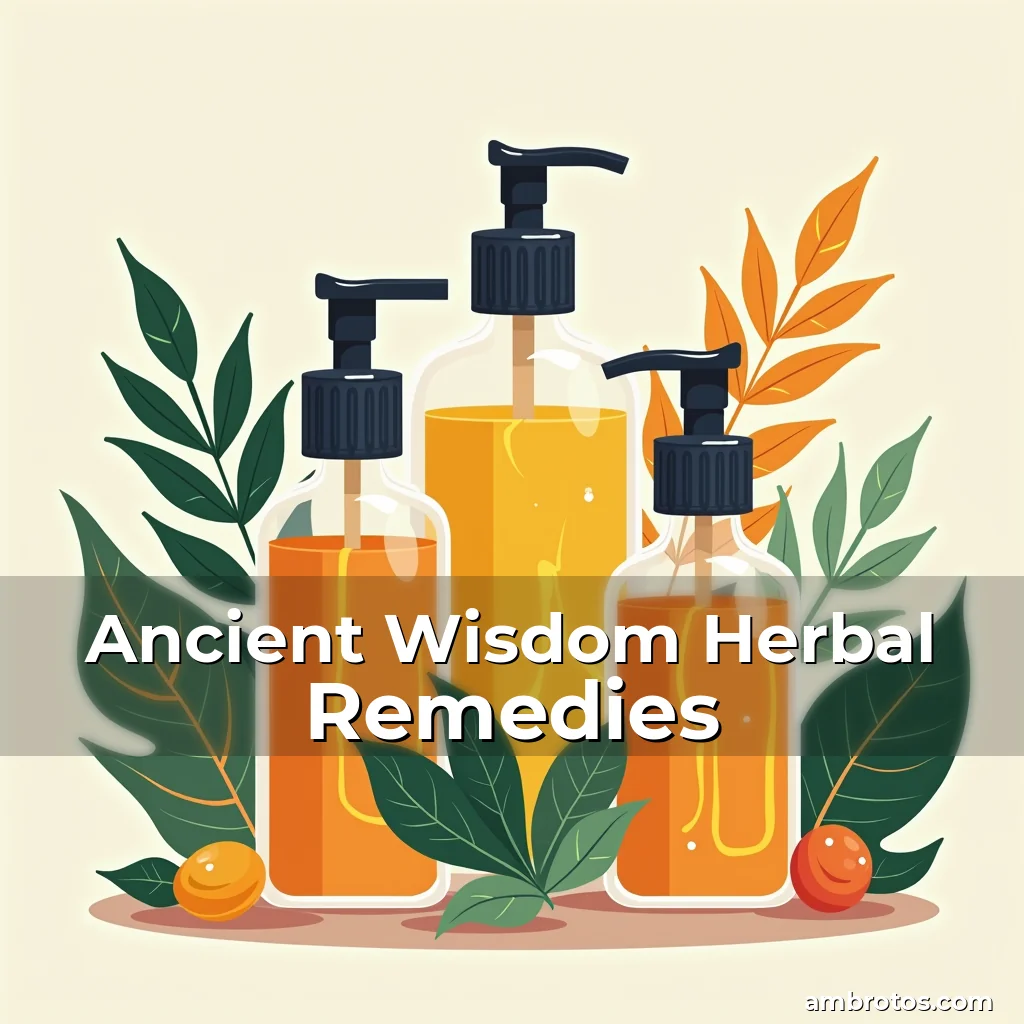
The Origins of Ancient Herbal Medicine
The use of medicinal plants can be traced to prehistoric eras when early humans observed which plants alleviated pain, reduced fever, or promoted wound healing. Over centuries, this empirical knowledge was refined into structured systems of healing practiced by shamans, priests, physicians, and healers from various cultures.
In ancient Egypt, medical papyri like the Ebers Papyrus documented hundreds of plant-based treatments for ailments ranging from infections to digestive disorders. Similarly, Traditional Chinese Medicine (TCM) developed intricate theories linking plants to Yin-Yang balance and Qi energy flow, shaping its therapeutic approach for millennia.
- Cultural foundations: Each civilization developed unique frameworks for understanding herbal properties, influenced by geography, spirituality, and philosophy.
- Evidence of continuity: Many of these ancient remedies remain in use today, often validated by modern pharmacological research.
The Role of Key Herbs Across Civilizations
Certain plants have transcended geographical boundaries, becoming universal symbols of healing. Turmeric, for example, holds revered status in Indian Ayurvedic tradition while being studied extensively for its anti-inflammatory compounds in modern science. Similarly, ginger has been cherished across Asia, Africa, and the Americas for its ability to soothe nausea and boost digestion.
Hippocrates, the father of Western medicine, famously declared, “Let food be thy medicine,” echoing principles seen in many ancient cultures. Plants like garlic, willow bark, and licorice root were commonly employed for their antimicrobial, analgesic, and respiratory-soothing qualities long before synthetic drugs emerged.
Turmeric: A Timeless Healer
Turmeric, derived from the Curcuma longa plant, has been a staple in South Asian medicine since at least 600 BCE. Its active compound, curcumin, is celebrated for its antioxidant and anti-inflammatory effects. Ancient Sanskrit texts describe its use in treating wounds, skin conditions, and even arthritis.
Modern clinical trials support these historical claims, showing potential benefits in managing chronic inflammation, metabolic syndrome, and neurological diseases. However, researchers caution that turmeric’s bioavailability remains limited unless combined with black pepper extract (piperine), a synergy recognized in Ayurvedic formulations.
Traditional Practices vs. Scientific Validation
The divide between ancestral knowledge and modern science is narrowing, with increasing collaboration between ethnobotanists, pharmacologists, and traditional practitioners. While ancient methods relied heavily on trial-and-error observations, contemporary research employs rigorous methodologies to isolate active ingredients and assess efficacy.
This convergence highlights both strengths and limitations. For instance, TCM’s use of ginseng for enhancing vitality aligns with modern findings on its adaptogenic properties. Conversely, some traditional preparations contain toxic elements or lack standardized dosages, underscoring the need for careful integration of old and new approaches.
Preserving Indigenous Knowledge Systems
Indigenous communities worldwide hold vast repositories of botanical wisdom passed down orally through generations. In Amazonian rainforests, shamans utilize over 3,000 plant species for medicinal purposes, many of which remain unexplored by mainstream science. Similarly, African tribal healers employ complex combinations of roots, leaves, and resins tailored to individual constitutions.
However, globalization and environmental degradation threaten these living libraries of knowledge. Deforestation, climate change, and cultural homogenization endanger both biodiversity and the transmission of traditional ecological knowledge. Efforts to document and protect these systems must prioritize ethical partnerships with local communities rather than exploitative extraction.
Challenges in Cultural Appropriation
The commodification of indigenous herbal practices raises critical ethical concerns. Companies marketing products like “Ayahuasca” or “Dragon’s Blood” often strip these remedies of their spiritual context and cultural significance. Such actions risk perpetuating stereotypes while depriving source communities of economic agency.
Sustainable solutions require respecting intellectual property rights, ensuring fair compensation for traditional knowledge holders, and fostering collaborative research models. Initiatives like the Nagoya Protocol aim to address biopiracy by promoting equitable benefit-sharing agreements between nations and corporations.
The Art of Preparation: Techniques Through History
Herbal remedies were traditionally prepared using techniques honed over centuries. Methods included decocting roots in water, fermenting fruits into tonics, smoking herbs for respiratory relief, and applying poultices made from crushed leaves. Each preparation method aimed to optimize potency and absorption.
In medieval Europe, apothecaries created tinctures by steeping herbs in alcohol to preserve their active constituents. Meanwhile, Japanese Kampo medicine emphasized precise ratios and sequential processing steps to harmonize herbal synergies. These artisanal approaches reflect an intuitive grasp of chemistry long before laboratory tools existed.
Modern Revival of Ancient Techniques
Contemporary herbalists are reviving traditional preparation methods, recognizing their effectiveness compared to mass-produced supplements. Cold-infused oils, steam distillation for essential oils, and slow-brew teas mirror ancient practices now backed by biochemical analysis.
For example, cold-pressed coconut oil retains antioxidants better than heat-extracted versions, aligning with Ayurvedic principles of preserving prana (life force). Likewise, the fermentation process used in making kombucha echoes microbial interactions once understood only through experience.
Integrating Ancient Wisdom Into Modern Health
While conventional medicine excels in acute care and emergency treatment, integrative approaches increasingly recognize the value of complementary therapies. Functional medicine practitioners often recommend herbal supports alongside standard protocols for chronic conditions like autoimmune diseases or hormonal imbalances.
Patient testimonials highlight success stories involving herbs such as ashwagandha for stress management, holy basil for immunity, and valerian root for sleep disturbances. Yet healthcare providers emphasize consulting qualified professionals to avoid herb-drug interactions and ensure safe usage.
Bridging Gaps in Education and Awareness
Many individuals seeking herbal remedies lack foundational knowledge about dosage, contraindications, and quality standards. Misinformation online leads to improper use of potent substances like foxglove (digitalis) or nightshade family members, which can be dangerously toxic in wrong quantities.
Academic institutions and professional organizations are addressing this gap by offering certification programs in ethnopharmacology, phytotherapy, and integrative health. Online platforms provide accessible resources, though users must critically evaluate sources for evidence-based information versus anecdotal claims.
The Future of Botanical Research
Ongoing discoveries continue to validate ancient herbal lore, opening new frontiers in drug development. Researchers analyzing Mayan medicinal plants identified novel compounds with antiviral activity against HIV and herpes viruses. Similarly, Australian aboriginal use of eucalyptus led to the discovery of cineole, now found in topical medications for chest congestion.
Biotechnology companies are exploring ways to synthesize plant-derived molecules sustainably, reducing pressure on wild populations. Advances in genomics allow scientists to map out the genetic blueprints of rare medicinal plants, enabling selective breeding and lab cultivation for conservation efforts.
Risks and Responsibilities in Using Ancient Remedies
Despite their benefits, ancient herbal medicines carry inherent risks that demand responsible use. Some plants contain toxins that require expert handling, such as digitalis for heart conditions or artemisinin-rich wormwood for malaria. Others interact unpredictably with prescription medications due to enzyme inhibition or enhanced metabolism pathways.
Moreover, contaminated or adulterated herbal products pose serious public health threats. Regulatory agencies warn consumers to purchase from reputable suppliers who follow Good Manufacturing Practices (GMP) and third-party testing protocols. Consumers should always verify product labels and consult healthcare providers before starting any supplement regimen.
Fostering Global Collaboration for Holistic Healing
The future of herbal medicine lies in cross-cultural dialogue and shared learning experiences. International conferences bring together scholars, clinicians, and traditional healers to exchange insights on sustainable harvesting, ethical sourcing, and innovative delivery systems. Digital archives catalog endangered folkloric knowledge, creating virtual libraries accessible to global audiences.
Community-led initiatives empower local populations to take charge of their health narratives. Projects teaching youth how to identify medicinal plants restore intergenerational bonds while equipping them with skills for resilience against modern health crises. These grassroots movements exemplify how ancient wisdom can thrive in a rapidly changing world.
Conclusion
Ancient herbal remedies offer profound lessons in sustainability, personal responsibility, and the interconnectedness of life. Their resurgence reflects a collective yearning for authenticity in healthcare choices, bridging gaps between past and present knowledge systems.
To honor this legacy, we must approach ancient wisdom with curiosity tempered by respect, acknowledging both its transformative potential and the complexities surrounding its application today. By doing so, we ensure these timeless teachings continue enriching human lives for generations to come.


news is a contributor at Ambrotos.com. We are committed to providing well-researched, accurate, and valuable content to our readers.
You May Also Like

Nourishing Rituals for Mental Health
The Healing Power of Nourishing Rituals in Modern Life In an era dominated by fast food culture, digital overload, and...


The Alchemy of Timeless Vitality: Unlocking Eternal Energy Through Ancient Wisdom and Modern Science
The Alchemy of Timeless Vitality: Unlocking Eternal Energy Through Ancient Wisdom and Modern Science In a world defined by rapid...
Sacred Ancient Botanical Blends Rituals
Sacred Ancient Botanical Blends Rituals The history of ancient botanical blends stretches back thousands of years, woven deeply into the...
Datu Wellness : Ayurveda based Retreats in Tuscany and New Locations in South Africa Goa
The Setting: Borgo near Siena, TuscanyDatu Wellness invites you to immerse yourself in the picturesque Borgo near Siena, Tuscany, a...