


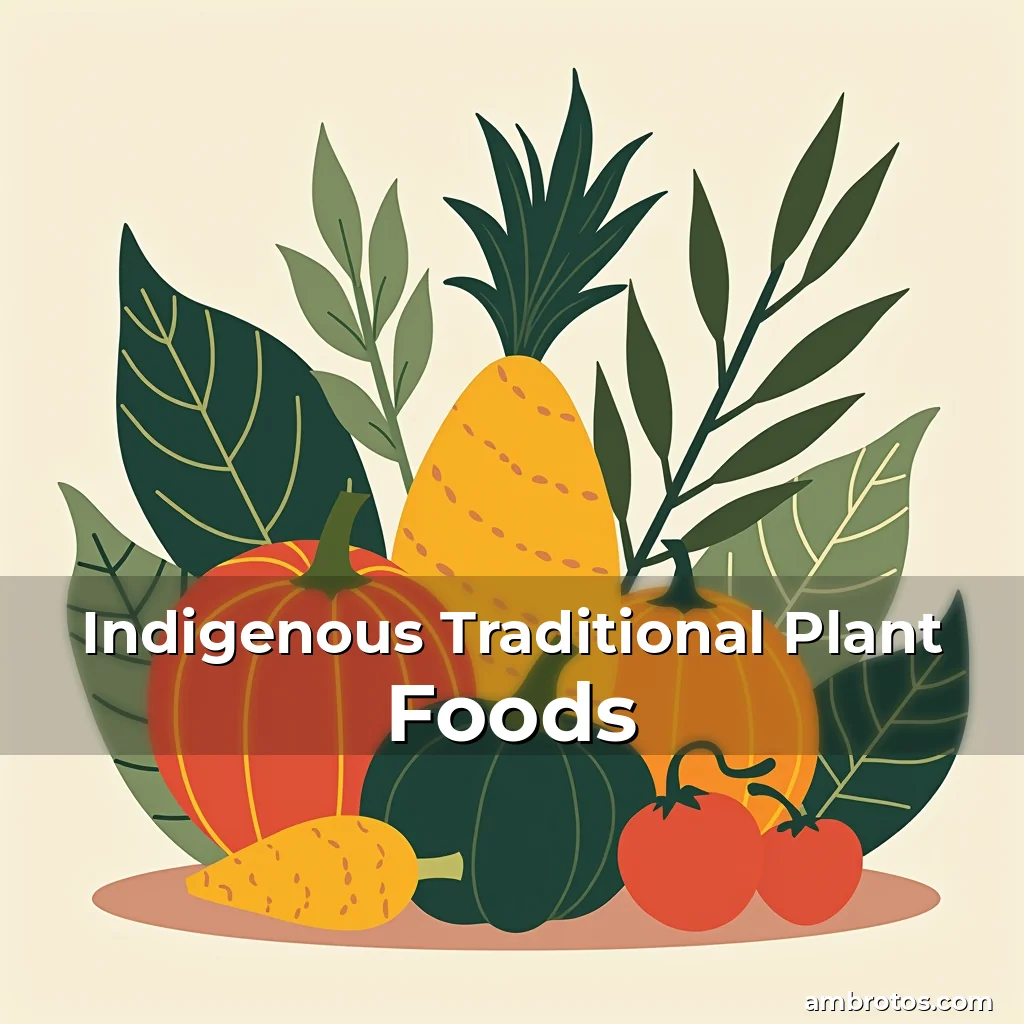
Indigenous Traditional Plant Foods: A Tapestry of Flavor and Sustainability
The world is richly woven with diverse culinary traditions, each reflecting the deep connection between people and their environment. Among these, traditional plant foods hold a special place as they embody centuries-old knowledge passed down through generations. These foods not only provide sustenance but also carry cultural significance that transcends mere nourishment.
In many indigenous communities across the globe, plant-based diets are more than dietary choices—they represent an integral part of identity and heritage. From the Amazon rainforest’s vibrant cassava varieties to the nutrient-dense quinoa grown by Andean farmers, these plants have sustained populations for millennia while maintaining ecological balance. This exploration delves into the fascinating realm of traditional plant foods, uncovering how they shape cultures and contribute to global food security today.
Historical Roots of Indigenous Food Practices
Traditional plant foods trace back thousands of years, shaped by the natural environments where early human societies thrived. In regions such as Africa, Asia, and the Americas, native peoples developed sophisticated agricultural techniques tailored to local ecosystems. These practices were not merely about survival; they reflected a profound understanding of seasonal cycles and biodiversity management.
Archaeological evidence reveals that ancient civilizations cultivated staple crops long before modern agriculture emerged. For instance, Neolithic farmers domesticated wheat in Mesopotamia around 9000 BCE, laying the foundation for future grain-based cuisines worldwide. Similarly, Native American tribes selectively bred maize over centuries, creating diverse cultivars adapted to various climates from the Arctic tundra to tropical lowlands.
Cultural Significance: Many indigenous groups associate certain plants with spiritual beliefs or ancestral stories. The use of sacred herbs during ceremonies often symbolizes a bridge between physical existence and metaphysical realms. Such associations reinforce communal bonds within these societies.
Ecosystem Integration: Unlike industrial farming methods that disrupt habitats, traditional cultivation systems enhance rather than deplete resources. Techniques like intercropping—growing multiple species together—improve soil fertility naturally without chemical inputs. This approach supports wildlife corridors essential for pollinators like bees and butterflies.
- Polyculture Farming: By planting complementary crops side-by-side, indigenous farmers maximize yields while minimizing pest outbreaks. Beans fix nitrogen in the soil, benefiting neighboring corn plants which require high levels of this vital nutrient.
- Water Conservation: Traditional irrigation systems, such as those used by the Hohokam people in what is now Arizona, efficiently distribute water using canals carved into arid landscapes. Modern adaptations of these designs help mitigate drought effects in semi-arid regions facing climate change challenges.
Nutritional Powerhouses of Nature’s Bounty
Indigenous plant foods offer remarkable nutritional profiles often unmatched by commercially produced alternatives. These foods typically contain higher concentrations of vitamins, minerals, and antioxidants due to minimal processing and reliance on heirloom varieties preserved through selective breeding programs.
Tribal communities have historically prioritized nutrient density when choosing edible plants based on observable health benefits experienced over time. For example, the Inuit diet incorporates wild berries harvested seasonally, providing essential vitamin C that would otherwise be scarce in northern latitudes lacking fresh produce availability year-round.
Vitamin Content: Certain plants excel at delivering key nutrients critical for bodily functions. Camu camu fruit found in Peruvian jungles contains up to 60 times more vitamin C per gram than oranges—a powerful immune booster especially valued by forest dwellers prone to infectious diseases.
Fiber-Rich Diets: Whole grains like amaranth consumed by Mesoamerican cultures promote digestive health thanks to their high insoluble fiber content. Regular consumption reduces risk factors associated with gastrointestinal disorders prevalent among sedentary lifestyles common in urban settings today.
Modern Relevance and Revival Efforts
Despite globalization’s influence on contemporary eating habits, there has been growing interest in reviving traditional plant foods as solutions to modern nutrition crises. Researchers studying ancestral diets report significant correlations between indigenous meal patterns and lower incidences of chronic illnesses compared to Western-centric regimens.
Organizations dedicated to preserving endangered crop species work closely with indigenous elders who possess invaluable knowledge regarding optimal harvesting times and preparation methods. Collaborative projects aim to reintroduce lost flavors while ensuring equitable access to genetic diversity crucial for adapting to shifting environmental conditions caused by climate change.
Health Benefits: Studies indicate that individuals following diets similar to those practiced by pre-industrial societies exhibit enhanced metabolic flexibility—the body’s ability to switch energy sources efficiently depending on activity level—which contributes significantly to overall well-being.
Sustainability Metrics: Traditional agroecological approaches generally yield comparable outputs to conventional monocultures yet maintain superior resilience against extreme weather events. Data collected from field trials show reduced pesticide usage ranging from 30% to 80%, demonstrating clear advantages in both economic terms and ecosystem preservation efforts.
Celebrating Culinary Diversity Through Plant-Based Traditions
Different geographical regions boast distinct palates shaped by available flora and historical interactions between cultures. Exploring these varied expressions enriches our appreciation for humanity’s collective wisdom surrounding plant utilization.
For instance, East Asian cuisines emphasize umami-rich ingredients derived from fermented soy products such as miso paste or tempeh made from soybeans inoculated with Rhizopus mold. These processes develop complex flavor profiles appreciated globally despite originating locally-specific contexts.
Regional Variations: While Mediterranean diets highlight olive oil as a cornerstone ingredient, African tribal groups rely heavily on shea butter extracted from Karite trees whose seeds undergo meticulous hand-crushing rituals performed exclusively by women in rural villages.
Cross-Cultural Influences: Trade routes facilitated exchanges leading to fusion dishes incorporating exotic spices unknown previously outside their places of origin. Examples include Indian curries featuring turmeric alongside Chinese stir-fried vegetables seasoned with star anise imported via maritime networks connecting continents centuries ago.
Preservation Challenges Facing Endangered Crop Species
Rapid deforestation rates threaten countless medicinal and food-producing plants still unrecognized scientifically but widely utilized by native populations. Loss of habitat diminishes opportunities for continued research potentially yielding breakthroughs in pharmaceutical development or novel agricultural applications.
Conservation initiatives involve establishing seed banks storing samples representing threatened botanical lineages. However, ethical considerations arise concerning ownership rights over biological materials originally sourced from territories inhabited by marginalized communities whose intellectual property contributions remain undervalued internationally.
Biodiversity Concerns: Overreliance on genetically modified organisms designed primarily for commercial markets poses risks to traditional crop genetics. Hybridization may dilute unique traits honed through careful selection processes spanning generations underpinning regional adaptation capabilities.
Community Engagement Strategies: Successful conservation models incorporate participatory approaches allowing indigenous stakeholders active roles in decision-making processes related to resource management plans affecting their livelihoods directly. This ensures culturally appropriate outcomes respecting existing social structures rather than imposing external frameworks blindly.
Integrating Ancient Wisdom Into Contemporary Nutrition Science
Scientists increasingly recognize value in revisiting ancient dietary practices when addressing current public health concerns linked to processed foods dominating modern grocery shelves. Comparative analyses reveal striking similarities between recommended guidelines promoting whole foods consumption advocated today and those followed intuitively by many indigenous groups historically.
Leveraging ethnobotanical studies enables identification of bioactive compounds present uniquely within native vegetation capable of combating ailments resistant to standard treatments. Medicinal plants traditionally employed by shamans or healers demonstrate potential avenues for drug discovery currently under investigation within academic institutions collaborating closely with source communities.
Research Applications: Advanced genomic sequencing technologies allow tracing evolutionary pathways revealing how particular traits advantageous for survival in harsh environments translate into beneficial properties applicable elsewhere. Such findings inform targeted breeding programs aiming to restore depleted soils simultaneously enhancing crop performance characteristics desired by consumers.
Educational Outreach: Public awareness campaigns highlighting success stories wherein reintegration of traditional plant foods improved individual wellbeing serve dual purposes—promoting healthier lifestyle options while honoring ancestral legacies deserving wider recognition beyond niche circles devoted solely to anthropological pursuits.
Conclusion
From the fertile valleys of Southeast Asia to the rugged terrains of Patagonia, traditional plant foods continue to play pivotal roles in shaping identities, sustaining life, and offering lessons in sustainable living. Their enduring presence underscores the importance of protecting these invaluable assets amidst accelerating environmental changes threatening biodiversity at unprecedented scales.
By embracing and supporting indigenous knowledge systems embedded within these culinary heritages, we take meaningful steps toward fostering resilient food economies rooted in respect for nature’s rhythms. Let us celebrate the richness offered by traditional plant foods while actively working towards safeguarding them for generations yet unborn who will inherit this precious legacy.


news is a contributor at Ambrotos.com. We are committed to providing well-researched, accurate, and valuable content to our readers.
You May Also Like

Local Earth-Based Nutrition
Rooted in Rhythm: The Power of Earth-Based Nutrition In an era where globalized food systems dominate our plates, earth-based nutrition...
Datu Wellness : Ayurveda based Retreats in Tuscany and New Locations in South Africa Goa
The Setting: Borgo near Siena, TuscanyDatu Wellness invites you to immerse yourself in the picturesque Borgo near Siena, Tuscany, a...

The Essence of Wellness: Embracing Pure Ingredients for Holistic Living
The Essence of Wellness: Embracing Pure Ingredients for Holistic Living In an era dominated by convenience-driven diets and industrialized food...

Sustainable Living Transportation
The Path to Sustainable Living: Transforming Daily Habits for a Healthier Future In an era where environmental challenges are increasingly...