


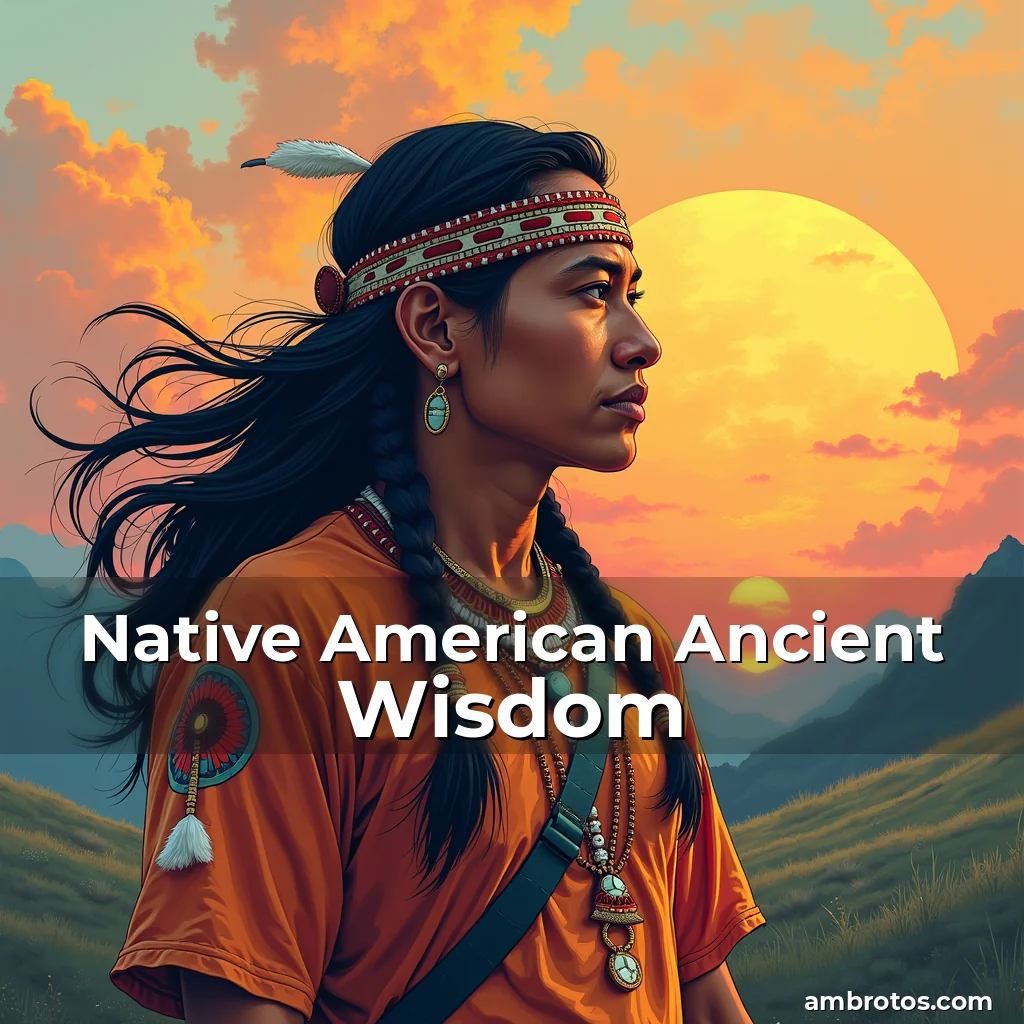
The Timeless Teachings of Indigenous Ancestors: Embracing Ancient Wisdom in Modern Life
In an age defined by rapid technological advancements and constant digital connectivity, ancient wisdom offers a profound alternative path rooted in harmony with nature and introspection. This article explores the enduring legacy of indigenous traditions that have preserved knowledge passed down through generations—knowledge that remains deeply relevant today.
While modern society often prioritizes progress over preservation, many native cultures emphasize balance, sustainability, and spiritual connection as fundamental principles guiding daily life. These teachings challenge contemporary norms while offering practical solutions to current global challenges such as environmental degradation and social disconnection.
The Sacred Balance of Nature: A Foundation of Native Thought
Native philosophies consistently highlight the interconnectedness of all living things within a sacred web of existence. This perspective contrasts sharply with Western notions of dominion over nature, instead advocating for respectful coexistence and mutual benefit among species.
Many tribes developed intricate systems to maintain ecological equilibrium long before scientific understanding confirmed their validity. For example, the Iroquois Confederacy’s Great Law of Peace included provisions ensuring sustainable resource use across generations—a concept now recognized as foundational to modern conservation ethics.
These ancient practices demonstrate remarkable foresight regarding environmental stewardship. Tribes implemented rotational hunting grounds, seasonal fishing restrictions, and controlled burns to prevent forest fires—all methods validated by contemporary ecological science decades later.
The Lakota people’s seven grandfathers teachings include respect for elders who carry ancestral memory, responsibility towards future generations, and reverence for the natural world as our true home. Such teachings remain profoundly relevant in addressing climate change and intergenerational equity issues today.
Ceremonial practices like vision quests and sweat lodges serve not only spiritual purposes but also function as psychological tools for self-discovery and resilience building—practices increasingly valued in modern mental health frameworks.
- Sustainable Practices: Many tribal nations practiced selective harvesting techniques that ensured continuous replenishment of resources, demonstrating early understanding of renewable energy concepts and circular economies.
- Ecosystem Management: Traditional land management strategies incorporated biodiversity maintenance through careful species selection and habitat protection measures.
- Climate Adaptation: Indigenous communities developed resilient agricultural methods suited to local microclimates, showcasing adaptive capabilities that could inform modern climate response strategies.
Rituals of Renewal: Spiritual Practices That Foster Connection
Spiritual rituals form the backbone of traditional knowledge transmission across various indigenous cultures. From sand painting ceremonies to shamanic healing practices, these rites create direct links between individuals, ancestors, and the natural world.
Tribal communities often structure their spiritual lives around lunar cycles and celestial events, recognizing patterns that govern both physical and metaphysical realms. These observations reflect sophisticated astronomical knowledge recorded without telescopes or written documentation.
The Navajo creation story emphasizes harmony between humans and the environment, illustrating how cultural narratives can encode essential survival information in symbolic form. This approach ensures that ecological lessons are passed down through storytelling rather than formal education systems.
The Healing Power of Rituals
Modern research confirms what indigenous healers have known for centuries—that ritualized behaviors significantly impact physiological responses and emotional well-being. Studies show that participation in ceremonial activities increases endorphin production and reduces cortisol levels associated with stress.
A growing body of evidence supports the effectiveness of traditional medicine when integrated with conventional healthcare approaches. In Alaska, collaborative programs combining western medical treatments with indigenous healing practices have improved patient outcomes for chronic conditions.
Psychological studies indicate that participating in structured rituals helps establish mental boundaries and promote emotional regulation—skills increasingly sought after in modern therapeutic contexts dealing with anxiety disorders and trauma recovery.
This convergence of ancient wisdom and contemporary neuroscience validates the efficacy of traditional practices while providing new avenues for their application in modern settings.
The Oral Tradition: Keeping Knowledge Alive Through Storytelling
Before widespread literacy became common, oral tradition was the primary means of preserving collective knowledge across generations. Elders served as living repositories of history, philosophy, and technical expertise, passing wisdom from one era to another through carefully crafted stories.
Storytelling in indigenous cultures is never merely entertainment; it carries encoded moral instruction, historical records, and practical guidance wrapped in narrative forms. The Cherokee Trail of Tears story, for instance, conveys lessons about resilience and perseverance through its dramatic account of displacement.
Oral histories often contain predictive elements based on observed natural patterns. The Tlingit people’s legends about ice ages and sea level changes mirror geological findings made using advanced mapping technologies years later.
Traditional songs and chants serve dual functions as mnemonic devices and spiritual expressions, encoding complex information in rhythmic structures easy to remember and transmit across time.
This method of knowledge transfer ensured continuity even during times of upheaval when written records were lost or destroyed. It allowed cultures to preserve core values despite external pressures seeking to erase them.
Wisdom in Action: Practical Applications Today
Many modern initiatives draw directly from indigenous practices to address pressing global concerns. Urban planners incorporating green spaces inspired by native land management techniques demonstrate recognition of these time-tested approaches.
Organizations working toward food security are reviving heirloom crops cultivated by indigenous peoples, acknowledging their nutritional value and adaptability to changing climates—an approach supported by extensive genetic research showing superior crop resilience traits.
Educators implementing place-based learning models echo traditional pedagogical methods where knowledge acquisition happens through direct interaction with the surrounding environment rather than passive classroom instruction.
Environmental groups adopting fire ecology principles used historically by tribes to manage landscapes confirm the viability of these low-tech yet highly effective methods of ecosystem restoration.
Healthcare professionals integrating mind-body practices from traditional healing systems recognize the importance of holistic wellness approaches that go beyond pharmaceutical interventions alone.
Challenges and Opportunities: Navigating Cultural Appropriation
As interest in indigenous wisdom grows, so does the risk of misrepresentation and exploitation. True engagement requires understanding the context and significance behind each practice rather than reducing them to aesthetic trends or marketing gimmicks.
Authentic appreciation demands respecting intellectual property rights held by native communities over their cultural heritage. Some tribes now offer formal protocols for sharing knowledge to protect against misuse while still allowing beneficial exchanges.
Cultural exchange becomes meaningful when approached with humility and willingness to learn from indigenous perspectives rather than imposing outsider interpretations onto ancient traditions.
Successful collaborations occur when non-native individuals seek permission and guidance from appropriate community leaders before attempting to apply any aspect of traditional wisdom outside its original context.
Education plays a critical role in distinguishing genuine cultural engagement from superficial imitation. Institutions promoting indigenous knowledge need to prioritize accurate representation and ethical scholarship.
Bridging Generations: Passing Down Ancient Teachings
Youth involvement remains crucial for the continued relevance of traditional knowledge in modern societies. Intergenerational mentorship programs help bridge gaps created by colonial disruptions and cultural erosion.
Some schools integrate traditional teaching methods alongside standard curricula, creating hybrid educational experiences that honor indigenous epistemologies while meeting academic requirements. This approach has shown improvements in student engagement and retention rates.
Technology provides unexpected opportunities for revitalizing endangered languages and customs. Apps, online archives, and virtual reality platforms allow younger generations to access ancestral knowledge in interactive formats that resonate with digital natives.
Community-led language immersion programs combine modern communication tools with traditional teaching methodologies, proving that ancient wisdom can thrive in contemporary environments when given appropriate support and resources.
Finding Personal Meaning in Ancient Teachings
Integrating ancient wisdom into personal life begins with identifying which aspects resonate most strongly with individual values and lifestyle choices. Whether through meditation, eco-conscious living, or relationship-building practices, there exists something applicable for everyone.
Meditative traditions found in many indigenous cultures offer powerful tools for mindfulness and presence—qualities increasingly recognized as vital for navigating today’s fast-paced world filled with distractions and information overload.
Prioritizing relationships grounded in reciprocity and mutual respect aligns with core tenets of traditional kinship systems, fostering deeper connections whether within families, workplaces, or broader communities.
Simple acts like mindful consumption, supporting local ecosystems, or honoring ancestors through remembrance rituals represent tangible ways to embody ancient teachings in everyday decisions.
The key lies in approaching these practices with sincerity and openness rather than expecting quick fixes or immediate results. Like the slow growth of trees nurtured patiently over time, transformation occurs gradually through consistent application of wise principles.
Conclusion: Honoring Our Shared Human Legacy
The enduring power of indigenous teachings reminds us that wisdom transcends temporal limitations, offering timeless guidance for human flourishing in every generation. By embracing these insights we tap into collective intelligence accumulated over millennia.
True integration involves more than surface-level admiration—it requires active listening, thoughtful reflection, and committed action guided by principles of respect and responsibility. This process enriches not only individuals but contributes positively to societal evolution itself.
“`


news is a contributor at Ambrotos.com. We are committed to providing well-researched, accurate, and valuable content to our readers.
You May Also Like


Timeless Vitality Sleep Strategies
Timeless Vitality Sleep Strategies The pursuit of timeless vitality is an ancient quest that resonates deeply within the Ambrosia community...
Organic Heritage Farming Practices
Organic Heritage Farming Practices In an era dominated by industrialized food production, the concept of organic heritage represents a return...

Organic Pure Ingredients Benefits
The Art and Science of Choosing Pure Ingredients: A Journey Towards Holistic Wellness In today's fast-paced world, the pursuit of...
Holistic Traditions for Mental Health
Holistic Traditions for Mental Health The integration of holistic traditions into modern mental health practices has gained significant traction as...