


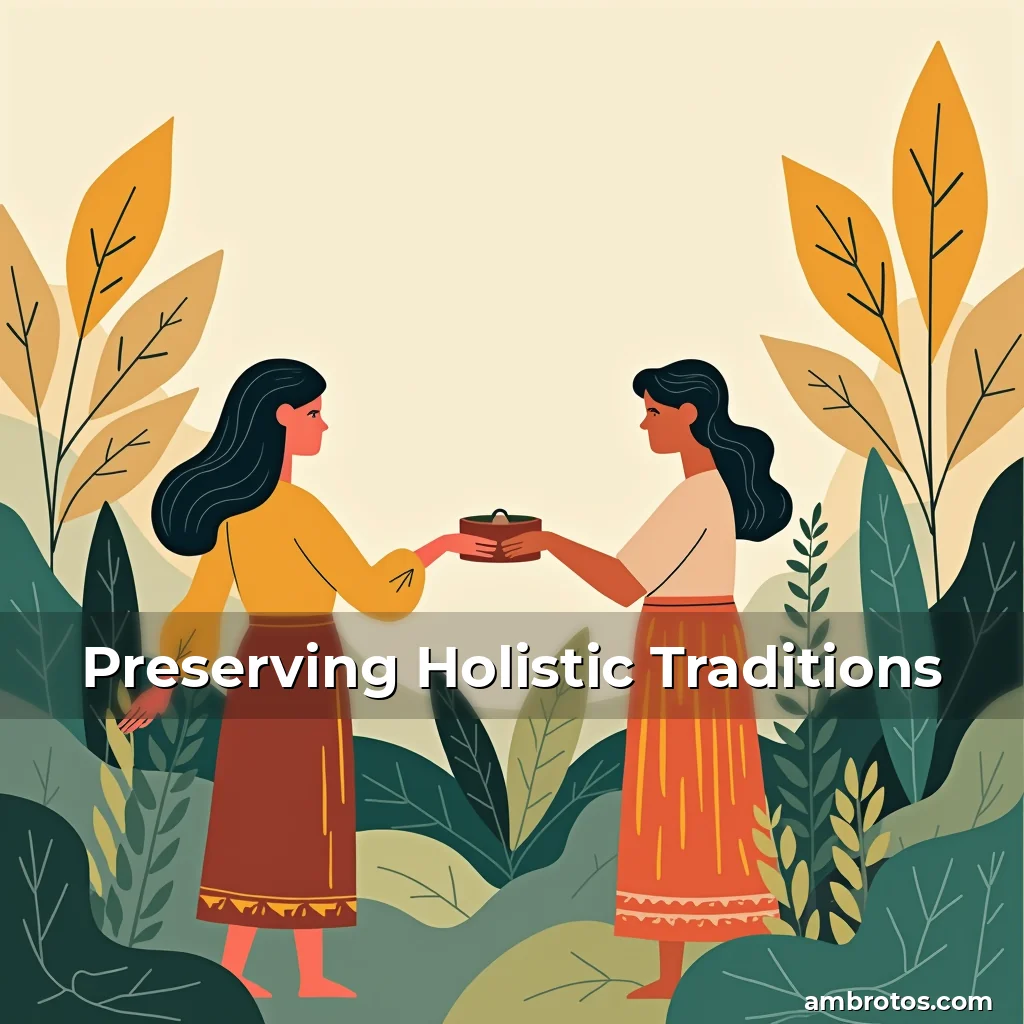
Preserving Holistic Traditions: A Journey Through Timeless Wisdom
Holistic traditions have been the cornerstone of human civilization, offering profound ways to understand and interact with the world around us. These practices encompass diverse philosophies, healing methods, and spiritual beliefs that emphasize harmony between mind, body, and spirit.
In an era dominated by rapid technological advancements, the significance of preserving holistic traditions has never been greater. They provide time-tested solutions that resonate deeply with our innate desire for balance and well-being.
The Roots of Holistic Practices Across Cultures
From ancient civilizations to modern societies, holistic traditions have evolved through centuries of cultural exchange and adaptation. These practices are not confined to any single region but are found in various forms across the globe.
Cultures such as those from India, China, Africa, and Indigenous communities have developed their own versions of holistic health systems. Each tradition reflects the values, environments, and experiences of its people.
Ayurveda, originating from the Indian subcontinent over 3,000 years ago, is one of the most well-documented holistic medical systems. It emphasizes individualized approaches based on personal constitution and environmental influences.
Tai Chi, a Chinese martial art practiced for generations, combines physical movement with mental discipline to promote overall wellness. Its slow, deliberate motions enhance flexibility and reduce stress levels effectively.
- Differentiation through Cultural Context: While Ayurveda focuses on balancing doshas—Vata, Pitta, Kapha—Traditional Chinese Medicine (TCM) relies heavily on Qi flow within meridians. Both aim at restoring equilibrium but use distinct methodologies rooted in different philosophical frameworks.
- Spiritual Integration: Many holistic traditions integrate spirituality seamlessly into daily life. For instance, Native American healers often incorporate ceremonial rituals alongside herbal remedies, emphasizing interconnectedness rather than isolationist treatment strategies.
These varied yet complementary systems illustrate how cultures independently arrived at similar conclusions regarding optimal living conditions through differing means.
This diversity underscores the importance of respecting each system’s uniqueness while recognizing shared goals towards achieving wholeness.
Historical Evolution of Healing Systems
Throughout history, numerous civilizations contributed significantly to the development of holistic medicine. Ancient Egyptian texts reveal early understandings of anatomy and disease patterns using natural substances available locally.
The Greeks introduced systematic categorization of illnesses through Hippocrates’ humoral theory which categorized bodily fluids as hot/cold and moist/dry states affecting health outcomes.
Renaissance Europe saw revival interest in classical knowledge leading to synthesis between Eastern wisdom and Western science during periods known as ‘Enlightenment’. This period laid groundwork for future integrative healthcare models we see today.
During colonial times, many indigenous healing techniques were marginalized due to dominant power structures favoring European biomedical paradigms. However recent decades show increasing appreciation for these traditional systems among global populations seeking alternative therapies.
Modern research increasingly validates efficacy behind long-standing folk cures once dismissed without scientific scrutiny. This shift marks significant progress toward valuing empirical evidence alongside ancestral knowledge.
As globalization continues influencing every aspect of life including healthcare delivery mechanisms, there remains urgency to document endangered oral histories before they fade permanently.
The Role of Nature in Holistic Approaches
Nature plays a pivotal role in nearly all holistic traditions serving both practical therapeutic functions and symbolic representations of cosmic orderliness.
Herbalism stands out as fundamental component where plants used possess pharmacological properties validated scientifically now. Examples include turmeric’s anti-inflammatory effects recognized worldwide despite being part of Ayurvedic practice millennia earlier.
Meditation also finds strong roots in nature-based settings; forest bathing or Shinrin-yoku originated from Japan promotes relaxation through immersion in woodland environments enhancing psychological resilience against urban stressors.
Water-based activities like swimming pools or riverside walks feature prominently in several traditions believed beneficial for emotional regulation purposes because water symbolizes fluidity essential for adaptability traits valued universally.
Evidence supports benefits derived from spending time outdoors such as improved mood scores measured via standardized scales showing measurable differences after regular exposure compared control groups who remain indoors primarily.
Thus integrating elements from surrounding ecosystems becomes crucial step ensuring sustainability since depletion resources undermines very foundation upon which many holistic principles rest.
Integrating Modern Science With Traditional Knowledge
Combining contemporary scientific findings with age-old wisdom presents exciting opportunities expanding horizons beyond conventional boundaries currently imposed by rigid disciplinary silos.
Researchers studying neuroplasticity discovered parallels between mindfulness meditation techniques taught traditionally versus cognitive behavioral therapy approaches employed therapeutically suggesting mutual reinforcement potential when combined strategically.
Pharmaceutical companies now collaborate extensively with ethnobotanists identifying compounds present naturally occurring substances previously utilized by native peoples demonstrating effectiveness treating chronic ailments resistant standard protocols.
Such collaborations foster cross-cultural dialogues promoting respect understanding thereby strengthening global solidarity especially relevant amidst rising geopolitical tensions threatening unity fragile already.
Moreover technological innovations enable better preservation documentation dissemination traditional teachings making accessible wider audiences interested learning appreciating diverse heritage without risking loss authenticity due poor transmission methods historically prevalent.
By embracing this integrated model society gains capacity addressing complex challenges facing humanity today ranging climate change public health crises social inequality issues demanding multifaceted responses transcending narrow perspectives limiting scope action taken solely relying singular domain expertise alone.
Challenges Facing Preservation Efforts Today
Despite growing awareness support movements advocating protection traditional knowledge, substantial obstacles hinder effective implementation necessary safeguarding efforts successfully.
One primary challenge stems commercial exploitation interests seeking profit motives prioritizing economic gain over ethical considerations concerning appropriation sacred sites artifacts belonging specific communities without consent engagement local stakeholders involved originally.
Lack adequate funding infrastructure poses another barrier preventing establishment sustainable programs dedicated recording transmitting intergenerational skills crucial maintaining continuity lineages passed down orally written records alike.
Additionally misinformation spread digital platforms misrepresenting authentic practices diluting core tenets reducing credibility attracting genuine practitioners serious students looking deepen understanding true essence underlying philosophy guiding actions taken everyday lives affected profoundly.
Lastly legal frameworks governing intellectual property rights remain inconsistent globally creating ambiguity regarding ownership authorship responsibilities arising disputes involving contested claims ownership traditional medicinal formulas recipes considered proprietary assets requiring clear guidelines resolving conflicts fairly equitably protecting vulnerable parties from undue harm caused unscrupulous entities capitalizing loopholes existing legislation.
Community Engagement in Revitalizing Lost Practices
Active participation members respective communities proves vital factor determining success revitalization initiatives aimed recovering lost customs reintroducing them new generations unfamiliar previous eras.
Local leaders educators play key roles organizing workshops seminars demonstrations showcasing applications relevance current context encouraging dialogue open sharing experiences fostering sense collective identity pride rooted rich tapestry cultural expressions shaping identities continuously evolving dynamic landscape.
Youth involvement particularly critical ensuring survival continuity lineage traditions otherwise risk becoming obsolete forgotten entirely unless deliberately preserved intentionally cultivated anew through creative reinterpretations adapting original messages suit contemporary needs concerns.
Collaboration institutions academia could further amplify impact providing scholarly validation legitimizing grassroots efforts undertaken individuals passionate about rediscovering past reclaiming narratives rightfully theirs while contributing broader discourse exploring intersections between historical memory modern aspirations.
Through sustained commitment collaborative spirit, communities can overcome challenges associated revitalization process transforming what might seem daunting task achievable goal benefiting everyone invested outcome positively regardless background origin.
Fostering Global Awareness Through Education
Education serves as powerful tool raising consciousness global population regarding value preserving holistic traditions amid pressures modernization homogenization trends threatening erosion cultural plurality.
Incorporating curricula schools universities covering topics related indigenous medicines ecological stewardship cosmologies expands worldview equipping young minds analytical tools necessary critically evaluating information encountered daily media sources often skewed partial truths.
Pedagogical approaches should prioritize experiential learning allowing direct interaction participants experiencing firsthand difference holistic modalities offer contrast conventional alternatives frequently promoted mainstream channels lacking depth nuance inherent complexity subjects addressed briefly superficially.
Online platforms facilitate access remote locations enabling virtual exchanges facilitating communication collaboration experts amateurs alike creating vibrant ecosystem nurturing growth innovation simultaneously honoring foundational principles established ancestors preceding us.
Furthermore international conferences symposiums create spaces interdisciplinary discussions bringing together scholars activists policymakers working harmoniously aligning objectives common ground reinforcing necessity concerted effort required securing legacy entrusted future custodianship responsible stewards worthy trust bestowed upon them by those came before whose contributions shaped pathways navigated today.
Conclusion
Preserving holistic traditions requires conscious effort from individuals, communities, and governments alike. By acknowledging their intrinsic worth and actively participating in their continuation, we honor the wisdom of our ancestors and ensure its availability for future generations.
Embracing these timeless practices fosters deeper connections with ourselves, others, and the environment. Let us commit to learning, practicing, and passing on holistic traditions so that their enduring light may continue to guide us all.
“`html
Preserving Holistic Traditions: A Journey Through Timeless Wisdom
Holistic traditions have been the cornerstone of human civilization, offering profound ways to understand and interact with the world around us. These practices encompass diverse philosophies, healing methods, and spiritual beliefs that emphasize harmony between mind, body, and spirit.
In an era dominated by rapid technological advancements, the significance of preserving holistic traditions has never been greater. They provide time-tested solutions that resonate deeply with our innate desire for balance and well-being.
The Roots of Holistic Practices Across Cultures
From ancient civilizations to modern societies, holistic traditions have evolved through centuries of cultural exchange and adaptation. These practices are not confined to any single region but are found in various forms across the globe.
Cultures such as those from India, China, Africa, and Indigenous communities have developed their own versions of holistic health systems. Each tradition reflects the values, environments, and experiences of its people.
Ayurveda, originating from the Indian subcontinent over 3,000 years ago, is one of the most well-documented holistic medical systems. It emphasizes individualized approaches based on personal constitution and environmental influences.
Tai Chi, a Chinese martial art practiced for generations, combines physical movement with mental discipline to promote overall wellness. Its slow, deliberate motions enhance flexibility and reduce stress levels effectively.
- Differentiation through Cultural Context: While Ayurveda focuses on balancing doshas—Vata, Pitta, Kapha—Traditional Chinese Medicine (TCM) relies heavily on Qi flow within meridians. Both aim at restoring equilibrium but use distinct methodologies rooted in different philosophical frameworks.
- Spiritual Integration: Many holistic traditions integrate spirituality seamlessly into daily life. For instance, Native American healers often incorporate ceremonial rituals alongside herbal remedies, emphasizing interconnectedness rather than isolationist treatment strategies.
These varied yet complementary systems illustrate how cultures independently arrived at similar conclusions regarding optimal living conditions through differing means.
This diversity underscores the importance of respecting each system’s uniqueness while recognizing shared goals towards achieving wholeness.
Historical Evolution of Healing Systems
Throughout history, numerous civilizations contributed significantly to the development of holistic medicine. Ancient Egyptian texts reveal early understandings of anatomy and disease patterns using natural substances available locally.
The Greeks introduced systematic categorization of illnesses through Hippocrates’ humoral theory which categorized bodily fluids as hot/cold and moist/dry states affecting health outcomes.
Renaissance Europe saw revival interest in classical knowledge leading to synthesis between Eastern wisdom and Western science during periods known as ‘Enlightenment’. This period laid groundwork for future integrative healthcare models we see today.
During colonial times, many indigenous healing techniques were marginalized due to dominant power structures favoring European biomedical paradigms. However recent decades show increasing appreciation for these traditional systems among global populations seeking alternative therapies.
Modern research increasingly validates efficacy behind long-standing folk cures once dismissed without scientific scrutiny. This shift marks significant progress toward valuing empirical evidence alongside ancestral knowledge.
As globalization continues influencing every aspect of life including healthcare delivery mechanisms, there remains urgency to document endangered oral histories before they fade permanently.
The Role of Nature in Holistic Approaches
Nature plays a pivotal role in nearly all holistic traditions serving both practical therapeutic functions and symbolic representations of cosmic orderliness.
Herbalism stands out as fundamental component where plants used possess pharmacological properties validated scientifically now. Examples include turmeric’s anti-inflammatory effects recognized worldwide despite being part of Ayurvedic practice millennia earlier.
Meditation also finds strong roots in nature-based settings; forest bathing or Shinrin-yoku originated from Japan promotes relaxation through immersion in woodland environments enhancing psychological resilience against urban stressors.
Water-based activities like swimming pools or riverside walks feature prominently in several traditions believed beneficial for emotional regulation purposes because water symbolizes fluidity essential for adaptability traits valued universally.
Evidence supports benefits derived from spending time outdoors such as improved mood scores measured via standardized scales showing measurable differences after regular exposure compared control groups who remain indoors primarily.
Thus integrating elements from surrounding ecosystems becomes crucial step ensuring sustainability since depletion resources undermines very foundation upon which many holistic principles rest.
Integrating Modern Science With Traditional Knowledge
Combining contemporary scientific findings with age-old wisdom presents exciting opportunities expanding horizons beyond conventional boundaries currently imposed by rigid disciplinary silos.
Researchers studying neuroplasticity discovered parallels between mindfulness meditation techniques taught traditionally versus cognitive behavioral therapy approaches employed therapeutically suggesting mutual reinforcement potential when combined strategically.
Pharmaceutical companies now collaborate extensively with ethnobotanists identifying compounds present naturally occurring substances previously utilized by native peoples demonstrating effectiveness treating chronic ailments resistant standard protocols.
Such collaborations foster cross-cultural dialogues promoting respect understanding thereby strengthening global solidarity especially relevant amidst rising geopolitical tensions threatening unity fragile already.
Moreover technological innovations enable better preservation documentation dissemination traditional teachings making accessible wider audiences interested learning appreciating diverse heritage without risking loss authenticity due poor transmission methods historically prevalent.
By embracing this integrated model society gains capacity addressing complex challenges facing humanity today ranging climate change public health crises social inequality issues demanding multifaceted responses transcending narrow perspectives limiting scope action taken solely relying singular domain expertise alone.
Challenges Facing Preservation Efforts Today
Despite growing awareness support movements advocating protection traditional knowledge, substantial obstacles hinder effective implementation necessary safeguarding efforts successfully.
One primary challenge stems commercial exploitation interests seeking profit motives prioritizing economic gain over ethical considerations concerning appropriation sacred sites artifacts belonging specific communities without consent engagement local stakeholders involved originally.
Lack adequate funding infrastructure poses another barrier preventing establishment sustainable programs dedicated recording transmitting intergenerational skills crucial maintaining continuity lineages passed down orally written records alike.
Additionally misinformation spread digital platforms misrepresenting authentic practices diluting core tenets reducing credibility attracting genuine practitioners serious students looking deepen understanding true essence underlying philosophy guiding actions taken everyday lives affected profoundly.
Lastly legal frameworks governing intellectual property rights remain inconsistent globally creating ambiguity regarding ownership authorship responsibilities arising disputes involving contested claims ownership traditional medicinal formulas recipes considered proprietary assets requiring clear guidelines resolving conflicts fairly equitably protecting vulnerable parties from undue harm caused unscrupulous entities capitalizing loopholes existing legislation.
Community Engagement in Revitalizing Lost Practices
Active participation members respective communities proves vital factor determining success revitalization initiatives aimed recovering lost customs reintroducing them new generations unfamiliar previous eras.
Local leaders educators play key roles organizing workshops seminars demonstrations showcasing applications relevance current context encouraging dialogue open sharing experiences fostering sense collective identity pride rooted rich tapestry cultural expressions shaping identities continuously evolving dynamic landscape.
Youth involvement particularly critical ensuring survival continuity lineage traditions otherwise risk becoming obsolete forgotten entirely unless deliberately preserved intentionally cultivated anew through creative reinterpretations adapting original messages suit contemporary needs concerns.
Collaboration institutions academia could further amplify impact providing scholarly validation legitimizing grassroots efforts undertaken individuals passionate about rediscovering past reclaiming narratives rightfully theirs while contributing broader discourse exploring intersections between historical memory modern aspirations.
Through sustained commitment collaborative spirit, communities can overcome challenges associated revitalization process transforming what might seem daunting task achievable goal benefiting everyone invested outcome positively regardless background origin.
Fostering Global Awareness Through Education
Education serves as powerful tool raising consciousness global population regarding value preserving holistic traditions amid pressures modernization homogenization trends threatening erosion cultural plurality.
Incorporating curricula schools universities covering topics related indigenous medicines ecological stewardship cosmologies expands worldview equipping young minds analytical tools necessary critically evaluating information encountered daily media sources often skewed partial truths.
Pedagogical approaches should prioritize experiential learning allowing direct interaction participants experiencing firsthand difference holistic modalities offer contrast conventional alternatives frequently promoted mainstream channels lacking depth nuance inherent complexity subjects addressed briefly superficially.
Online platforms facilitate access remote locations enabling virtual exchanges facilitating communication collaboration experts amateurs alike creating vibrant ecosystem nurturing growth innovation simultaneously honoring foundational principles established ancestors preceding us.
Furthermore international conferences symposiums create spaces interdisciplinary discussions bringing together scholars activists policymakers working harmoniously aligning objectives common ground reinforcing necessity concerted effort required securing legacy entrusted future custodianship responsible stewards worthy trust bestowed upon them by those came before whose contributions shaped pathways navigated today.
Conclusion
Preserving holistic traditions requires conscious effort from individuals, communities, and governments alike. By acknowledging their intrinsic worth and actively participating in their continuation, we honor the wisdom of our ancestors and ensure its availability for future generations.
Embracing these timeless practices fosters deeper connections with ourselves, others, and the environment. Let us commit to learning, practicing, and passing on holistic traditions so that their enduring light may continue to guide us all.
“`


news is a contributor at Ambrotos.com. We are committed to providing well-researched, accurate, and valuable content to our readers.
You May Also Like


Earth-Based Nutrition for Athletes
Earth-Based Nutrition for Athletes In an era where performance is paramount, athletes are increasingly turning to earth-based nutrition as a...
Ancient Botanical Blends Recipes
Ancient Botanical Blends Recipes In an era where modern wellness trends often overshadow traditional practices, ancient botanical blends offer a...

Family Harmonious Eating Practices
The Art of Harmonious Eating: Cultivating Balance at the Table In an era where fast food culture dominates and mealtime...
Wellness Inspired by Nature
Wellness Inspired by Nature In an age defined by rapid technological advancement and urbanization, many are rediscovering the profound benefits...