


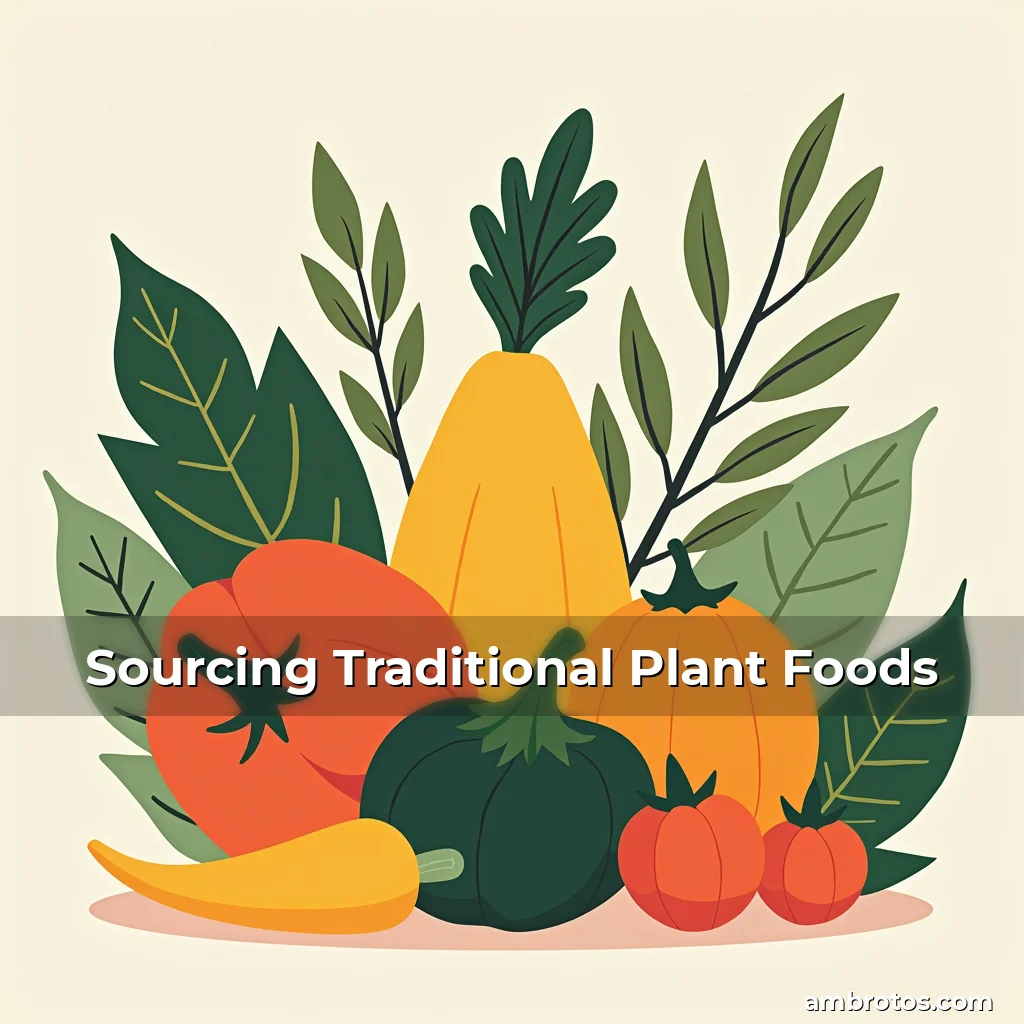
Sourcing Traditional Plant Foods
In an era where processed diets dominate modern eating habits, there’s a growing movement toward reconnecting with traditional plant-based foods that have sustained communities for generations. These foods are deeply rooted in cultural heritage, offering not only nutritional value but also a link to ancestral practices. The resurgence of interest in these ingredients is driven by health-conscious individuals seeking natural alternatives.
The journey back to traditional plant foods begins with understanding what they truly represent—nutrient-dense crops, heirloom varieties, and indigenous plants passed down through oral histories. This revival isn’t merely about rediscovering old recipes; it’s about embracing sustainable food systems that respect ecological balance while supporting local economies.
Cultivating Cultural Connections Through Cuisine
Traditional plant foods serve as powerful conduits for preserving cultural identities across diverse populations. They encapsulate centuries-old agricultural wisdom, often tailored specifically to regional climates and soil conditions. By cultivating these native plants, communities maintain their historical narratives embedded within each harvest season.
For instance, maize has been central to Mesoamerican cultures since pre-Columbian times. Its significance extends beyond sustenance—it symbolizes spiritual beliefs and communal gatherings. Similarly, millet plays a crucial role in African societies, providing both nourishment and economic stability through its resilience against harsh environments.
- Millet: A staple grain known for its drought resistance, millet thrives in arid regions where other cereals struggle. It supports food security during dry spells and remains integral to many rural economies.
- Bambara Groundnuts: Native to West Africa, these legumes offer high protein content comparable to soybeans yet require minimal irrigation. Their cultivation fosters biodiversity by enriching soils naturally without synthetic fertilizers.
Preserving such traditions means safeguarding knowledge transfer between generations. Elders who once relied solely on instinctual farming techniques now share their expertise with younger farmers eager to restore lost agricultural practices. This intergenerational exchange strengthens social bonds and ensures continuity in culinary customs.
Chefs specializing in ethno gastronomy play pivotal roles here too. By incorporating indigenous ingredients into contemporary dishes, they bridge generational gaps and introduce global audiences to lesser-known flavors. Restaurants featuring these menus become platforms for storytelling, showcasing how certain vegetables were historically used medicinally or ceremonially.
Nutritional Benefits of Indigenous Plants
Indigenous plant foods often outshine commercial counterparts due to higher nutrient density and lower pesticide exposure. Many grow organically under less intensive farming methods, resulting in richer vitamin profiles compared to mass-produced equivalents. For example, amaranth contains significantly more iron than fortified grains sold commercially.
Different regions boast unique superfoods worthy of exploration. In South America, quinoa provides complete proteins containing all nine essential amino acids—an attribute rare among non-animal sources globally. Meanwhile, chia seeds from Mexico are packed with omega-3 fatty acids beneficial for heart health when consumed regularly.
A study published in ‘The Journal of Ethnobiology’ highlighted how indigenous diets contribute uniquely towards chronic disease prevention. Researchers found lower incidences of type two diabetes amongst populations consuming native grains over extended periods versus those relying heavily on refined carbohydrates.
Fiber content varies considerably among traditional crops too. Sweet potatoes cultivated using ancient methods retain complex carbohydrates vital for digestive wellness. Unlike highly processed starches stripped of fiber during milling processes, whole-root forms provide slow-releasing energy ideal for maintaining steady blood sugar levels throughout daylong activities.
Eco-Friendly Advantages of Local Harvests
Choosing locally sourced traditional plant foods reduces carbon footprints associated with long-distance transportation networks. Fresh produce harvested close to consumption points requires fewer preservatives and packaging materials, thus minimizing environmental degradation caused by industrial agriculture models.
Community-supported agriculture programs facilitate direct links between consumers and small-scale growers committed to regenerative land management strategies. Such partnerships promote rotational grazing patterns alongside crop diversity initiatives designed explicitly for enhancing topsoil fertility year after year.
Data shows that farms practicing agroecological approaches yield equivalent amounts of food relative to conventional monoculture setups but with drastically reduced chemical inputs. Moreover, these operations typically support pollinator habitats necessary for sustaining bee populations declining worldwide at alarming rates.
Reduced reliance on imported goods bolsters national food sovereignty frameworks aimed at protecting domestic producers from volatile international market fluctuations affecting prices unpredictably. Countries prioritizing self-sufficiency through revived traditional horticultural techniques gain greater control over future dietary needs irrespective of geopolitical tensions impacting trade routes.
Overcoming Barriers to Access
Despite numerous benefits linked to traditional plant foods, accessibility challenges persist due primarily to limited availability outside niche markets. Urban dwellers particularly face difficulties finding fresh supplies unless they actively seek them out via specialized grocery stores or online retailers selling bulk quantities directly from organic cooperatives.
Governments must implement policies encouraging broader distribution channels including expanding public school meal programs featuring indigenous staples. Educational campaigns targeting youth could instill early appreciation for these foods thereby normalizing their presence within mainstream society over time.
Infrastructure development projects focused on improving cold chain logistics would help preserve perishable items longer ensuring wider reach especially benefiting remote villages lacking adequate refrigeration facilities currently available in urban centers alone.
Collaborative efforts involving NGOs working closely with grassroots organizations can identify underserved areas needing targeted interventions addressing specific barriers preventing equitable access nationwide. Tailored solutions might include mobile markets visiting different neighborhoods periodically rather than expecting everyone relocate physically closer proximity to supply hubs.
Reviving Ancient Agricultural Techniques
Modern advancements sometimes overshadow time-tested cultivation methodologies developed over millennia. However, recent scientific studies validate effectiveness behind practices previously dismissed as outdated folklore surrounding soil enrichment through composting or companion planting arrangements maximizing pest deterrence naturally.
Terra Preta soils discovered deep beneath Amazonian rainforests exemplify sophisticated earth engineering capable of sequestering vast carbon reserves indefinitely. Created thousands of years ago utilizing biochar mixed with organic matter, similar principles apply today allowing gardeners enhance fertility sustainably without resorting harmful chemicals ever introduced later eras.
Permaculture design philosophies echo ancient perennials management systems observed among Aboriginal Australians managing landscapes holistically considering interactions between flora/fauna elements within ecosystems deliberately shaped human intervention aligning harmoniously nature itself.
Such revival efforts don’t negate technological progress entirely instead integrate wisely chosen innovations complementing traditional knowledges reinforcing overall resilience against climate change impacts threatening fragile food production infrastructures everywhere globally affected similarly regardless geographic location differences exist.
Building Community Around Shared Culinary Traditions
Fostering stronger connections around shared culinary experiences enhances collective well-being visibly manifesting through increased participation in cooking classes led by master artisans proficient various regional specialties requiring precise handling delicate ingredients demanding attention details absent standard fast-food preparation routines common nowadays.
Kitchen workshops promoting hands-on learning opportunities teach participants fundamental skills related seed selection germination stages nurturing sprouts till maturity eventually harvesting ripe fruits ready immediate utilization freshly prepared meals retaining peak freshness unavailable preserved versions sold supermarket shelves typically transported great distances prior reaching consumer hands.
Local festivals celebrating seasonal transitions provide additional venues where people gather collectively honoring respective harvest celebrations serving symbolic representations abundance bestowed upon communities annually. These events usually feature live demonstrations illustrating transformation raw components final edible forms accompanied expert commentary explaining deeper meanings attached particular preparations rituals performed before sharing results together strengthening familial ties simultaneously reinforcing cultural pride stemming from successful collaboration achieving common goals united purposefulness evident throughout proceedings.
Creating safe spaces facilitating open dialogues regarding potential misunderstandings arising misinterpretations traditional cuisine expectations outsiders unfamiliar backgrounds encountering novel tastes textures initially perceived foreign perhaps even intimidating until gradually acclimated through repeated exposures fostering mutual respect valuing diversity coexisting peacefully amidst differences celebrated rather feared exploited commodified superficially devoid authentic context original intent behind creations themselves.
The Role of Technology in Preserving Heritage Crops
While some may argue technology disrupts age-old customs, innovative tools actually aid preservation endeavors ensuring survival endangered species facing extinction risks due habitat loss genetic erosion caused homogenization commercialized agriculture sectors favoring uniformity consistency over biological variation inherently present wild relatives still thriving untamed wilderness areas away human settlements.
Digital databases cataloguing detailed information regarding heirloom varieties allow easy retrieval critical data needed successful reintroduction extinct strains wherever suitable conditions prevail sufficiently distant locations avoiding cross-contamination threats compromising purity lineage traceability important factors determining eligibility inclusion conservation programs operated governmental bodies international institutions dedicated biodiversity protection missions.
Blockchain technologies enable transparent tracking origins products guaranteeing authenticity verifying claims purveyors making bold assertions about product provenance potentially misleading customers unaware nuanced distinctions separating genuine articles imitations masquerading legitimate counterparts deceiving unsuspecting buyers willing pay premium prices believing acquiring exclusive item worth extra cost incurred merely because label suggests otherwise despite actual substance falling far below promised standards.
Mobile applications equipped GPS functionalities assist locating nearby suppliers carrying rare commodities sought-after enthusiasts desiring expand palates exploring uncharted territories taste sensations never encountered before. Real-time updates notify users inventory changes ensuring timely purchases minimizing disappointment ensuing failed attempts acquire desired items missing stock suddenly depleted inexplicably overnight.
Conclusion
The renaissance surrounding traditional plant foods signifies much more than fleeting trends passing fads soon forgotten. It reflects conscious decision-making process prioritizing holistic health considerations alongside environmental stewardship responsibilities entrusted current generation shaping future trajectories planetary existence intertwined fate humanity itself.
To fully embrace this shift, individuals need commit ongoing education journeys mastering intricate nuances involved cultivating preparing consuming these treasures properly respecting inherent complexities requiring patience dedication effort yielding rewarding outcomes ultimately leading fulfilling lives grounded solid foundations laid ancestors paving way forward generations yet unborn experiencing same joys blessings enjoyed throughout history.
“`html
Sourcing Traditional Plant Foods
In an era where processed diets dominate modern eating habits, there’s a growing movement toward reconnecting with traditional plant-based foods that have sustained communities for generations. These foods are deeply rooted in cultural heritage, offering not only nutritional value but also a link to ancestral practices. The resurgence of interest in these ingredients is driven by health-conscious individuals seeking natural alternatives.
The journey back to traditional plant foods begins with understanding what they truly represent—nutrient-dense crops, heirloom varieties, and indigenous plants passed down through oral histories. This revival isn’t merely about rediscovering old recipes; it’s about embracing sustainable food systems that respect ecological balance while supporting local economies.
Cultivating Cultural Connections Through Cuisine
Traditional plant foods serve as powerful conduits for preserving cultural identities across diverse populations. They encapsulate centuries-old agricultural wisdom, often tailored specifically to regional climates and soil conditions. By cultivating these native plants, communities maintain their historical narratives embedded within each harvest season.
For instance, maize has been central to Mesoamerican cultures since pre-Columbian times. Its significance extends beyond sustenance—it symbolizes spiritual beliefs and communal gatherings. Similarly, millet plays a crucial role in African societies, providing both nourishment and economic stability through its resilience against harsh environments.
- Millet: A staple grain known for its drought resistance, millet thrives in arid regions where other cereals struggle. It supports food security during dry spells and remains integral to many rural economies.
- Bambara Groundnuts: Native to West Africa, these legumes offer high protein content comparable to soybeans yet require minimal irrigation. Their cultivation fosters biodiversity by enriching soils naturally without synthetic fertilizers.
Preserving such traditions means safeguarding knowledge transfer between generations. Elders who once relied solely on instinctual farming techniques now share their expertise with younger farmers eager to restore lost agricultural practices. This intergenerational exchange strengthens social bonds and ensures continuity in culinary customs.
Chefs specializing in ethno gastronomy play pivotal roles here too. By incorporating indigenous ingredients into contemporary dishes, they bridge generational gaps and introduce global audiences to lesser-known flavors. Restaurants featuring these menus become platforms for storytelling, showcasing how certain vegetables were historically used medicinally or ceremonially.
Nutritional Benefits of Indigenous Plants
Indigenous plant foods often outshine commercial counterparts due to higher nutrient density and lower pesticide exposure. Many grow organically under less intensive farming methods, resulting in richer vitamin profiles compared to mass-produced equivalents. For example, amaranth contains significantly more iron than fortified grains sold commercially.
Different regions boast unique superfoods worthy of exploration. In South America, quinoa provides complete proteins containing all nine essential amino acids—an attribute rare among non-animal sources globally. Meanwhile, chia seeds from Mexico are packed with omega-3 fatty acids beneficial for heart health when consumed regularly.
A study published in ‘The Journal of Ethnobiology’ highlighted how indigenous diets contribute uniquely towards chronic disease prevention. Researchers found lower incidences of type two diabetes amongst populations consuming native grains over extended periods versus those relying heavily on refined carbohydrates.
Fiber content varies considerably among traditional crops too. Sweet potatoes cultivated using ancient methods retain complex carbohydrates vital for digestive wellness. Unlike highly processed starches stripped of fiber during milling processes, whole-root forms provide slow-releasing energy ideal for maintaining steady blood sugar levels throughout daylong activities.
Eco-Friendly Advantages of Local Harvests
Choosing locally sourced traditional plant foods reduces carbon footprints associated with long-distance transportation networks. Fresh produce harvested close to consumption points requires fewer preservatives and packaging materials, thus minimizing environmental degradation caused by industrial agriculture models.
Community-supported agriculture programs facilitate direct links between consumers and small-scale growers committed to regenerative land management strategies. Such partnerships promote rotational grazing patterns alongside crop diversity initiatives designed explicitly for enhancing topsoil fertility year after year.
Data shows that farms practicing agroecological approaches yield equivalent amounts of food relative to conventional monoculture setups but with drastically reduced chemical inputs. Moreover, these operations typically support pollinator habitats necessary for sustaining bee populations declining worldwide at alarming rates.
Reduced reliance on imported goods bolsters national food sovereignty frameworks aimed at protecting domestic producers from volatile international market fluctuations affecting prices unpredictably. Countries prioritizing self-sufficiency through revived traditional horticultural techniques gain greater control over future dietary needs irrespective of geopolitical tensions impacting trade routes.
Overcoming Barriers to Access
Despite numerous benefits linked to traditional plant foods, accessibility challenges persist due primarily to limited availability outside niche markets. Urban dwellers particularly face difficulties finding fresh supplies unless they actively seek them out via specialized grocery stores or online retailers selling bulk quantities directly from organic cooperatives.
Governments must implement policies encouraging broader distribution channels including expanding public school meal programs featuring indigenous staples. Educational campaigns targeting youth could instill early appreciation for these foods thereby normalizing their presence within mainstream society over time.
Infrastructure development projects focused on improving cold chain logistics would help preserve perishable items longer ensuring wider reach especially benefiting remote villages lacking adequate refrigeration facilities currently available in urban centers alone.
Collaborative efforts involving NGOs working closely with grassroots organizations can identify underserved areas needing targeted interventions addressing specific barriers preventing equitable access nationwide. Tailored solutions might include mobile markets visiting different neighborhoods periodically rather than expecting everyone relocate physically closer proximity to supply hubs.
Reviving Ancient Agricultural Techniques
Modern advancements sometimes overshadow time-tested cultivation methodologies developed over millennia. However, recent scientific studies validate effectiveness behind practices previously dismissed as outdated folklore surrounding soil enrichment through composting or companion planting arrangements maximizing pest deterrence naturally.
Terra Preta soils discovered deep beneath Amazonian rainforests exemplify sophisticated earth engineering capable of sequestering vast carbon reserves indefinitely. Created thousands of years ago utilizing biochar mixed with organic matter, similar principles apply today allowing gardeners enhance fertility sustainably without resorting harmful chemicals ever introduced later eras.
Permaculture design philosophies echo ancient perennials management systems observed among Aboriginal Australians managing landscapes holistically considering interactions between flora/fauna elements within ecosystems deliberately shaped human intervention aligning harmoniously nature itself.
Such revival efforts don’t negate technological progress entirely instead integrate wisely chosen innovations complementing traditional knowledges reinforcing overall resilience against climate change impacts threatening fragile food production infrastructures everywhere globally affected similarly regardless geographic location differences exist.
Building Community Around Shared Culinary Traditions
Fostering stronger connections around shared culinary experiences enhances collective well-being visibly manifesting through increased participation in cooking classes led by master artisans proficient various regional specialties requiring precise handling delicate ingredients demanding attention details absent standard fast-food preparation routines common nowadays.
Kitchen workshops promoting hands-on learning opportunities teach participants fundamental skills related seed selection germination stages nurturing sprouts till maturity eventually harvesting ripe fruits ready immediate utilization freshly prepared meals retaining peak freshness unavailable preserved versions sold supermarket shelves typically transported great distances prior reaching consumer hands.
Local festivals celebrating seasonal transitions provide additional venues where people gather collectively honoring respective harvest celebrations serving symbolic representations abundance bestowed upon communities annually. These events usually feature live demonstrations illustrating transformation raw components final edible forms accompanied expert commentary explaining deeper meanings attached particular preparations rituals performed before sharing results together strengthening familial ties simultaneously reinforcing cultural pride stemming from successful collaboration achieving common goals united purposefulness evident throughout proceedings.
Creating safe spaces facilitating open dialogues regarding potential misunderstandings arising misinterpretations traditional cuisine expectations outsiders unfamiliar backgrounds encountering novel tastes textures initially perceived foreign perhaps even intimidating until gradually acclimated through repeated exposures fostering mutual respect valuing diversity coexisting peacefully amidst differences celebrated rather feared exploited commodified superficially devoid authentic context original intent behind creations themselves.
The Role of Technology in Preserving Heritage Cursos
While some may argue technology disrupts age-old customs, innovative tools actually aid preservation endeavors ensuring survival endangered species facing extinction risks due habitat loss genetic erosion caused homogenization commercialized agriculture sectors favoring uniformity consistency over biological variation inherently present wild relatives still thriving untamed wilderness areas away human settlements.
Digital databases cataloguing detailed information regarding heirloom varieties allow easy retrieval critical data needed successful reintroduction extinct strains wherever suitable conditions prevail sufficiently distant locations avoiding cross-contamination threats compromising purity lineage traceability important factors determining eligibility inclusion conservation programs operated governmental bodies international institutions dedicated biodiversity protection missions.
Blockchain technologies enable transparent tracking origins products guaranteeing authenticity verifying claims purveyors making bold assertions about product provenance potentially misleading customers unaware nuanced distinctions separating genuine articles imitations masquerading legitimate counterparts deceiving unsuspecting buyers willing pay premium prices believing acquiring exclusive item worth extra cost incurred merely because label suggests otherwise despite actual substance falling far below promised standards.
Mobile applications equipped GPS functionalities assist locating nearby suppliers carrying rare commodities sought-after enthusiasts desiring expand palates exploring uncharted territories taste sensations never encountered before. Real-time updates notify users inventory changes ensuring timely purchases minimizing disappointment ensuing failed attempts acquire desired items missing stock suddenly depleted inexplicably overnight.
Conclusion
The renaissance surrounding traditional plant foods signifies much more than fleeting trends passing fads soon forgotten. It reflects conscious decision-making process prioritizing holistic health considerations alongside environmental stewardship responsibilities entrusted current generation shaping future trajectories planetary existence intertwined fate humanity itself.
To fully embrace this shift, individuals need commit ongoing education journeys mastering intricate nuances involved cultivating preparing consuming these treasures properly respecting inherent complexities requiring patience dedication effort yielding rewarding outcomes ultimately leading fulfilling lives grounded solid foundations laid ancestors paving way forward generations yet unborn experiencing same joys blessings enjoyed throughout history.
“`


news is a contributor at Ambrotos.com. We are committed to providing well-researched, accurate, and valuable content to our readers.
You May Also Like


Urban Sustainable Living Ideas
Urban Sustainable Living Ideas for the Ambrosia Community In today's rapidly changing world, sustainable living has become an essential aspect...
Plant-Powered Living Grocery List
The Transformative Power of Plant-Powered Living: A Holistic Approach to Health, Sustainability, and Community In an era where health consciousness...

Creating Personal Nourishing Rituals
Cultivating Wholeness Through Daily Nourishment Practices The concept of nourishing rituals extends beyond mere consumption; it encompasses deliberate actions that...

Wellness Insights for Busy Professionals
The Art of Holistic Wellness: Transforming Daily Routines Through Mindful Living In today's fast-paced world, achieving wellness often feels like...