


The Sacred Art of Nourishment: Cultivating Harmony Through Ambrotos Rituals
In an era where modern life often prioritizes speed over sustenance, the ancient practice of nourishing rituals offers a powerful antidote. For members of the Ambrotos community and those drawn to holistic well-being, these time-honored traditions are not merely about food—they represent a sacred dialogue between body, mind, and spirit.
Ritualistic nourishment transcends mere consumption; it becomes a transformative act that aligns our inner rhythms with nature’s cycles. This guide explores how intentional eating practices can deepen your connection to yourself and others while fostering physical vitality and emotional balance.
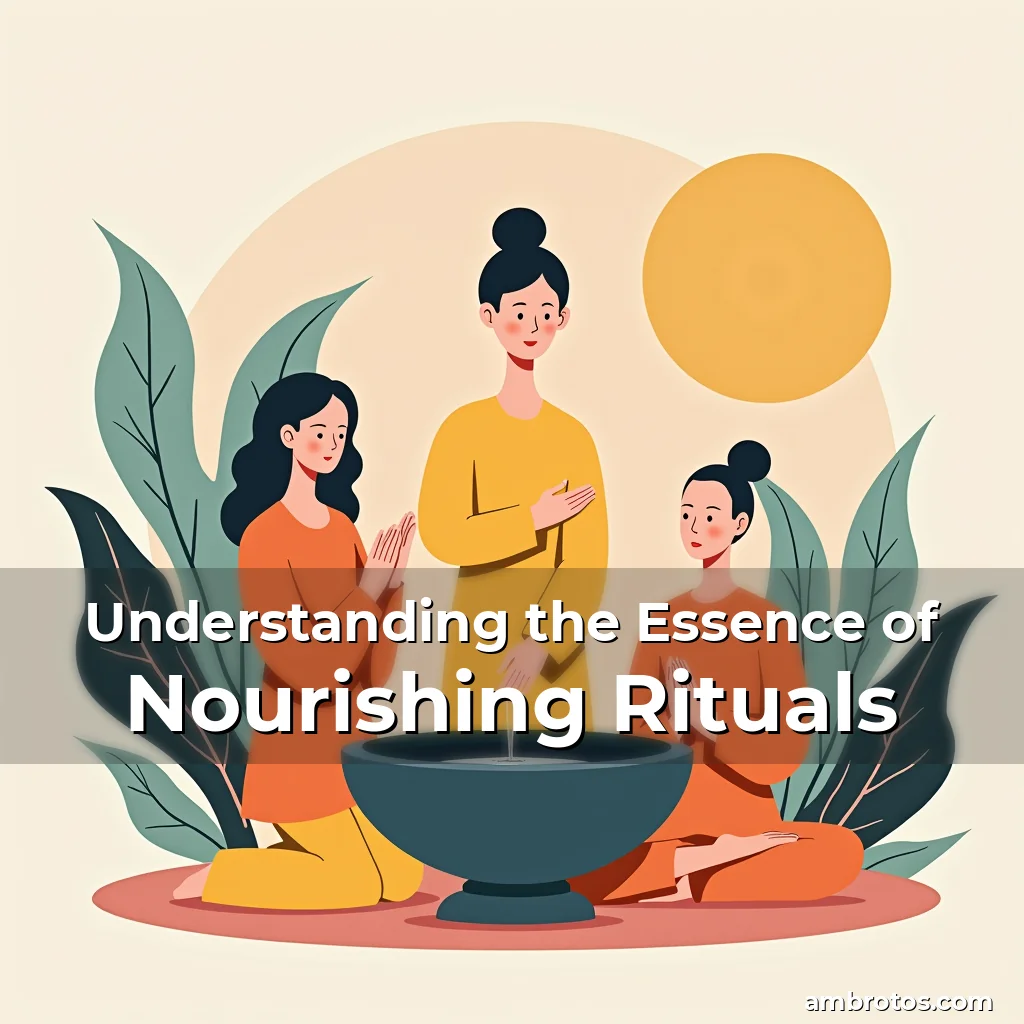
Understanding the Essence of Nourishing Rituals
Nourishing rituals encompass any deliberate practice that elevates mealtime beyond survival. They involve mindful preparation, shared experiences, and symbolic gestures that imbue ordinary acts with profound meaning.
At their core, these rituals recognize that what we eat—and how we eat—shapes every aspect of our being. By infusing meals with intentionality, we create opportunities for healing, growth, and spiritual awakening.
Consider the simple act of washing produce before cooking. When done slowly and attentively, this ritual transforms a mundane task into a meditative experience that honors both food and self.
The origins of nourishing rituals stretch back through millennia, emerging from cultures that understood the interconnectedness of all things. Ancient Greeks practiced symposia as communal feasts blending philosophy with gastronomy, while Ayurvedic traditions emphasized alignment with seasonal energies through diet.
Modern interpretations continue this legacy by adapting ancestral wisdom to contemporary lifestyles without losing sight of its deeper purpose. Whether through plant-based fasting days or moon-phase dining schedules, each adaptation reflects our evolving relationship with nourishment.
The Science Behind Mindful Eating Practices
Research increasingly supports the physiological benefits of slowing down during meals. A study published in Appetite magazine found that individuals who ate slowly consumed significantly fewer calories than those who rushed their meals.
This phenomenon occurs because it takes approximately 20 minutes for the brain to register satiety signals from the stomach. By allowing ample time for digestion cues to reach consciousness, we naturally regulate portion sizes more effectively.
Mindfulness training has also been shown to reduce symptoms of anxiety disorders related to eating behaviors. Neuroimaging studies reveal decreased activation in regions associated with stress when participants engage in conscious chewing techniques.
Moreover, savoring flavors enhances taste perception by up to 30% according to sensory neuroscience research at Tufts University. This heightened awareness encourages healthier choices as palatable whole foods become more satisfying than processed alternatives.
Culturally, many indigenous communities have long incorporated ceremonial aspects into feeding routines. Among the Māori people of New Zealand, traditional kai (food) ceremonies emphasize gratitude towards land providers and ancestors present at the table.
Biological Foundations of Intentional Consumption
Beyond psychological effects, there exists a fundamental biological imperative underlying nourishing rituals. Our gut microbiome contains trillions of microorganisms crucial for immunity and mood regulation.
Dietary patterns influence microbial diversity—the more varied the intake, the richer the bacterial ecosystem within us. Fermented foods traditionally consumed across cultures serve as natural probiotics maintaining digestive health.
Sleep cycles too intersect with nutritional needs. Circadian rhythm disruptions lead to altered hunger hormones which may explain why night-time snacking is common among chronically sleep-deprived populations.
Emerging evidence suggests that synchronized mealtimes enhance metabolic efficiency. In a Japanese study involving shift workers, those following structured eating schedules exhibited better glucose control compared to irregular feeders.
These scientific insights reinforce age-old knowledge about timing and quality of nourishment, demonstrating that ritualistic approaches aren’t mystical but biologically sound.
Preparing Sacred Meals: Ingredients of Transformation
Selecting ingredients becomes an act of reverence when approached intentionally. Seasonal availability guides choices that support local ecosystems and ensure peak nutrient value in produce.
Organic farming methods preserve soil integrity while reducing chemical exposure. Choosing ethically sourced animal products acknowledges the sentience behind meat consumption.
Herbal infusions add another layer of depth to culinary rituals. Mint tea soothes digestion after rich dishes, while turmeric milk promotes joint wellness before bedtime.
Spices themselves carry historical significance—cinnamon was once worth its weight in gold, yet today remains accessible to anyone seeking flavor complexity and anti-inflammatory properties.
Even seemingly simple items like olive oil demonstrate versatility: used raw in salads, drizzled over roasted vegetables, or infused with garlic for heart-healthy benefits.
By treating groceries as offerings rather than commodities, we cultivate appreciation that extends far beyond taste buds—it affects ethical purchasing habits and environmental stewardship.
The Role of Environment in Culinary Ceremonies
Creating a conducive space amplifies the impact of nourishing rituals. Natural lighting, fresh flowers, and soft textures transform meal settings into sanctuaries of renewal.
Wooden utensils evoke warmth and simplicity, contrasting sharply with cold metal counterparts. Earthenware plates connect diners with primal elements through tactile engagement.
Aromatherapy plays a subtle yet potent role in enhancing ambiance. Lavender diffusers calm nerves before dinner, while citrus scents invigorate energy levels post-meal.
Music selection matters greatly—instrumental compositions aid concentration during preparation phases whereas gentle melodies promote relaxation during consumption periods.
Furniture arrangement influences social dynamics: circular seating fosters inclusivity, while facing open spaces encourages openness and vulnerability among guests.
Ultimately, curating such environments isn’t about luxury but intention—a way to honor ourselves and others through thoughtful spatial design.
Intergenerational Wisdom: Passing Down Food Traditions
Food traditions form invisible threads linking generations together. Sharing stories around meals preserves cultural heritage while creating continuity between past and future.
Grandmothers’ recipes contain encoded knowledge passed down orally—techniques developed over decades that optimize texture, aroma, and nutrition simultaneously.
Ethnic cuisines offer windows into history. Spaghetti sauce variations reflect migration routes, spice blends indicate trade networks, and fermentation methods showcase adaptive survival strategies.
Teaching children to cook reinforces life skills alongside cultural identity. Studies show that home-cooked meals correlate strongly with improved academic performance due to increased attention span from involved preparation processes.
Documenting family recipes digitally safeguards against loss while making them easily shareable globally. Platforms now exist specifically designed for preserving heirloom dishes through multimedia storytelling formats.
As technology evolves so do preservation methods—virtual reality recreations allow younger generations to experience ancestral kitchens virtually before mastering hands-on techniques physically.
Seasonal Rhythms: Aligning Diet With Nature’s Cycles
Following seasonal changes in diet mirrors natural world patterns, promoting internal harmony. Spring menus feature light greens symbolizing rebirth, summer brings vibrant fruits celebrating abundance.
Fall harvest celebrations incorporate root vegetables and warming spices acknowledging transition toward rest. Winter diets include hearty soups and preserved foods preparing bodies for introspection.
Local markets provide access to regionally appropriate produce, reducing carbon footprint from transport while supporting nearby farmers. Community-supported agriculture models foster direct relationships between consumers and growers.
Kaleidoscope-like variety ensures continuous discovery of new flavors throughout year-long journeys. Each season presents unique challenges and rewards shaping personal culinary evolution.
Adapting to seasonal shifts requires mindfulness about storage solutions—root cellars maintain freshness longer than refrigeration alone, while drying herbs extends usability beyond growing seasons.
This cyclical approach prevents monotony while deepening understanding of ecological interdependence, transforming grocery shopping trips into meaningful encounters with nature itself.
Community Building Through Shared Feasts
Collective meals forge connections stronger than casual conversations. Breaking bread with neighbors cultivates trust and empathy essential for cohesive societies.
Cooking together dissolves social barriers created by modern isolationism. Kneading dough side-by-side builds rapport faster than any small talk ever could.
Rotating potluck responsibilities distribute workload fairly while encouraging experimentation with unfamiliar ingredients and techniques.
Feast themes can commemorate significant events—harvest festivals celebrate agricultural success, while solstice gatherings acknowledge celestial movements guiding human activity.
Volunteer-run soup kitchens exemplify compassionate service made possible through communal effort. Every donated ingredient contributes to someone else’s dignity and comfort.
Technology enables virtual participation in global food traditions, expanding horizons beyond geographical limitations while maintaining authentic cultural exchanges.
Celebrating Life Transitions With Communal Banquets
Lifecycle milestones deserve special culinary recognition. Birthdays mark individuality, weddings unite families, funerals honor legacies—all worthy of distinct feast preparations.
Toddler first steps might inspire banana pudding shaped like tiny shoes, graduation dinners could feature steamed dumplings representing journey completion, and retirement banquets might incorporate longevity noodles symbolizing enduring strength.
Funeral repasts often include favorite dishes prepared exactly as they were enjoyed by deceased loved ones—an intimate gesture affirming memories through scent and taste.
Wedding receptions frequently blend familial recipes with innovative twists honoring both tradition and progressiveness. This duality reflects the dynamic nature of love itself.
Prenatal care sometimes involves blessing meals incorporating prenatal vitamins disguised in delicious forms ensuring expectant mothers receive necessary nutrients joyfully instead of begrudgingly.
Such occasions remind us that food is never neutral—it carries emotional resonance capable of mending hearts and bridging generational divides.
Personalized Nourishment: Tailoring Rituals To Individual Needs
Recognizing diverse dietary requirements is essential in inclusive nourishing rituals. Gluten-free adaptations accommodate celiac disease sufferers without compromising flavor profiles.
Vegan alternatives challenge chefs creatively while respecting ethical convictions about animal welfare. Plant-based proteins mimic meat textures using seitan or jackfruit rehydrated properly.
Allergy-conscious meal planning requires meticulous attention to cross-contamination risks. Designating separate cutting boards and utensils maintains safety standards even during festive occasions.
Medical conditions demand customized approaches—diabetics benefit from low glycemic index options, while thyroid patients require iodine-rich sea vegetables balanced appropriately.
Age-related considerations matter too: softer consistencies suit elderly diners experiencing dentition issues, while high-protein meals sustain active seniors engaged in daily exercise regimens.
Flexibility remains key—successful nourishing rituals adapt fluidly rather than rigidly adhering to prescriptive guidelines, recognizing that true wellness thrives on personalization.
Integrating Spirituality Into Daily Dining
Religious observances shape dietary laws that inform nourishing rituals worldwide. Kosher rules govern animal treatment and separation of dairy/meat, while halal principles dictate slaughtering methods emphasizing compassion.
Hindu temple offerings follow strict vegetarian guidelines reflecting non-violence doctrine. Buddhist monks practice almsgiving where laypeople prepare meals for monastic communities reinforcing generosity values.
Spiritual reflection precedes many meals across faiths—from Catholic grace sayings to Muslim recitations of Bismillah before eating. These brief pauses center minds on gratitude and humility.
Secular practitioners find similar fulfillment in meditation before meals focusing on breathwork to ground oneself physically while mentally appreciating food sources.
Chanting mantras or singing hymns during communal suppers enhances collective consciousness raising vibrational frequencies positively affecting group cohesion and emotional wellbeing.
Whether rooted in organized religion or freeform spirituality, integrating soul-nourishing elements makes everyday dining moments spiritually enriching experiences.
The Future Of Nourishing Rituals In Modern Society
Technological advancements will inevitably reshape nourishing rituals, offering new ways to personalize and enhance our relationship with food. Smart kitchen appliances already automate tasks like temperature monitoring and recipe suggestions based on inventory checks.
Artificial intelligence applications analyze genetic markers to recommend optimal diets tailored precisely to individual biochemistries. Wearables track real-time biomarkers adjusting meal plans dynamically according to changing health metrics.
Virtual reality simulations enable immersive cooking classes regardless of location, democratizing access to gourmet techniques previously reserved for elite institutions.
Blockchain technology verifies sustainable sourcing claims ensuring transparency from farm-to-table transactions increasing consumer confidence in ethical purchasing decisions.
Augmented reality overlays provide instant nutritional information during grocery shopping helping shoppers make informed choices aligned with their wellness goals.
Despite these innovations, the essence of nourishing rituals will remain unchanged—fostering connection, mindfulness, and respect for all living beings involved in the food chain.
Conclusion
Nourishing rituals bridge the gap between instinctual survival mechanisms and enlightened living. They invite us to reclaim meals as sacred acts rather than mere fuel stops along busy schedules.
By embracing intentional eating practices, we cultivate resilience against modern disconnection, nurturing both body and soul through each bite taken with presence and purpose.
Let this exploration empower you to transform your own dining experiences into ongoing journeys of self-discovery, community building, and planetary caretaking—one mindful meal at a time.


news is a contributor at Ambrotos.com. We are committed to providing well-researched, accurate, and valuable content to our readers.
You May Also Like


Fashion Inspired by Nature
Fashion Inspired by Nature: A Symphony of Earth’s Wonders In an era where sustainability is not merely a trend but...

The Essence of Wellness: Embracing Pure Ingredients for Holistic Living
The Essence of Wellness: Embracing Pure Ingredients for Holistic Living In an era dominated by convenience-driven diets and industrialized food...
Mindful Nourishment Food Choices
Cultivating Consciousness at the Table: A Journey into Mindful Nourishment In an era dominated by fast food culture, screen-filled distractions,...

Oakcover Magazine Announces Inaugural Forest Restoration Project!
Bangkok Wellness Tourism Boom: Exploring Innovative Therapies and Thai Healing The bustling streets of Bangkok, Thailand are witnessing a remarkable...