


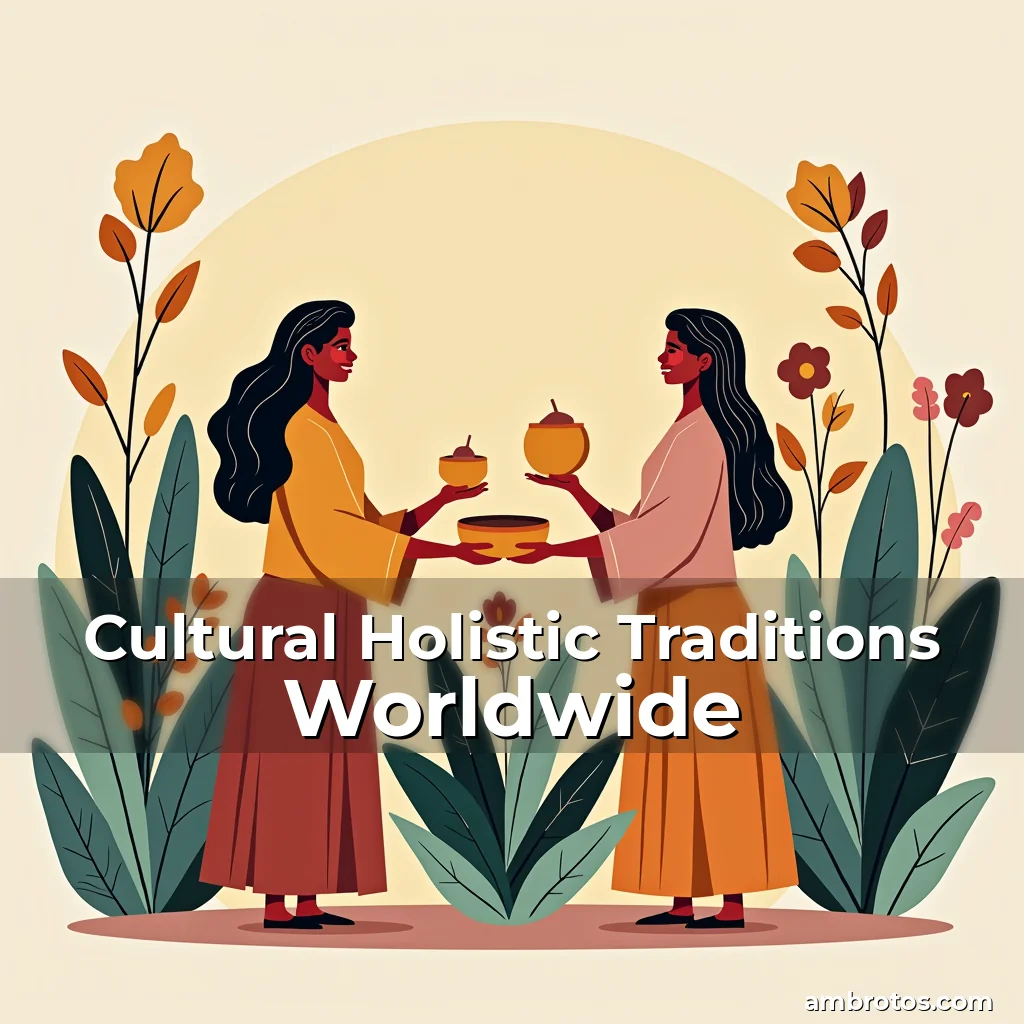
Cultural Holistic Traditions Worldwide
Holistic traditions encompass ancient practices that promote physical, mental, emotional, and spiritual well-being through interconnected approaches. These traditions are deeply rooted in diverse cultures across the globe, offering time-tested methods for healing and balance.
In an era dominated by modern medicine, holistic traditions provide alternative perspectives that emphasize prevention, natural remedies, and the harmony between mind, body, and environment. Their relevance continues to grow as people seek integrative health solutions that respect cultural heritage.
The Origins of Holistic Healing Practices
Holistic traditions have existed for thousands of years, evolving from indigenous knowledge systems and early medical philosophies. Ancient civilizations such as those in China, India, Egypt, and Mesoamerica developed intricate frameworks for understanding human wellness.
Scholars believe many holistic practices originated from observations of nature’s cycles and patterns. For example, traditional Chinese medicine was shaped by studying how elements interact within the universe and the human body.
Key examples include:
- Ayurveda, which dates back over 3,000 years in India and focuses on balancing bodily energies called doshas
- Taoist philosophy influencing acupuncture and qigong practices in East Asia
- Native American sweat lodge ceremonies promoting purification and communal connection
These foundational principles continue to influence contemporary wellness movements while maintaining their original cultural contexts. Modern adaptations often blend ancestral wisdom with scientific validation.
The Philosophical Foundations of Holistic Traditions
Much of holistic thought is based on core philosophical ideas about interconnection and energy flow. Many traditions view humans as part of a larger cosmic system rather than isolated entities.
This perspective emphasizes that disruptions in one area—physical health, emotions, or spirituality—affect others. Traditional healers often address root causes rather than merely treating symptoms.
“Healing requires restoring balance among all aspects of life,” states Dr. Anaya Mehta, a scholar specializing in comparative ethnobotany. This approach contrasts sharply with conventional Western biomedicine’s compartmentalized view of disease.
Some traditions incorporate cosmological beliefs, seeing illness as manifestations of disharmony between individuals and universal forces. Such views shape diagnostic techniques and treatment modalities.
Diverse Cultural Expressions of Holistic Wisdom
Cultures around the world express holistic principles through distinct rituals, herbal medicines, and spiritual practices. These variations reflect local environments, histories, and belief systems.
In Japan, shamanic traditions known as Onmyōdō combine Taoist and Buddhist influences with geomancy practices. Practitioners use divination tools to assess energetic imbalances affecting communities.
West African Ifá tradition incorporates oracle consultations, plant-based treatments, and rhythmic drumming sessions to restore personal and collective well-being. Similar multisensory approaches appear in Aboriginal Dreamtime stories from Australia.
Despite differences, these expressions share common themes: emphasizing preventive care, honoring ancestral knowledge, and fostering social cohesion through shared practices.
Modern Adaptations of Traditional Healing Systems
Contemporary society has seen increasing integration of traditional healing methods into mainstream healthcare settings. Hospitals now commonly offer complementary therapies alongside standard treatments.
Pioneering institutions like the University of Arizona Center for Integrative Medicine demonstrate how ancient practices can align with evidence-based medicine. Research shows acupuncture effectively manages chronic pain when used appropriately.
However, challenges remain regarding cultural appropriation versus respectful adaptation. Authentic transmission requires acknowledging origins while making benefits accessible globally.
Many practitioners advocate for training programs that honor source cultures’ ethical guidelines. Proper accreditation ensures both quality control and preservation of traditional integrity.
Evidence-Based Validation of Holistic Methods
Growing research supports various components of holistic traditions once dismissed as pseudoscience. Scientific studies increasingly confirm efficacy of practices like meditation, yoga, and certain botanical medicines.
For instance, mindfulness meditation has been shown to reduce stress hormones and improve cognitive function. The World Health Organization recognizes Ayurveda’s role in public health initiatives in several countries.
While some critics question the rigor of traditional knowledge, recent interdisciplinary collaborations yield promising results. Biomedical scientists analyze active compounds in medicinal plants using advanced analytical chemistry.
This synergy allows for creating standardized formulations while respecting traditional preparation methods. It also helps dispel misconceptions about holistic medicine being solely anecdotal.
The Role of Community in Holistic Well-Being
Most holistic traditions recognize that individual health is inseparable from communal relationships. Social bonds significantly impact mental and physical resilience against adversity.
Indigenous Amazonian tribes maintain healing circles where elders guide younger generations through ceremonial processes. These gatherings reinforce intergenerational knowledge transfer and social support networks.
Similarly, Mediterranean societies historically emphasized convivial meals as essential to overall wellness. Sharing food strengthens family ties and promotes healthy eating habits naturally.
Such community-centered approaches contrast with individualistic models prevalent in industrialized nations. They highlight the importance of belongingness in sustaining long-term health outcomes.
Environmental Consciousness in Holistic Practices
Many traditional healing systems inherently prioritize environmental sustainability. Sustainable harvesting of medicinal plants preserves biodiversity and prevents ecological degradation.
Native Hawaiian loko iʻa fishponds exemplify sustainable resource management combining aquaculture with cultural values. These ancient innovations show how ecosystems and human health are mutually reinforcing.
Permaculture principles found in Indigenous Australian land stewardship practices align closely with modern ecological science. Techniques like companion planting enhance soil fertility organically.
By recognizing our dependence on natural resources, holistic traditions encourage responsible consumption patterns. This awareness becomes crucial in addressing global climate change crises.
Preserving Endangered Holistic Knowledge
Rapid globalization threatens many indigenous healing traditions through assimilation pressures and loss of native languages. Elders who hold generational knowledge face declining numbers due to migration trends.
Documentary projects like the Ethnographic Atlas aim to record oral histories before they disappear. Digital archives preserve ritual procedures, plant identification guides, and healing songs at risk of extinction.
Community-led education initiatives help sustain these traditions locally. Schools incorporating traditional curricula ensure children learn about their cultural heritage holistically.
International organizations collaborate with grassroots groups to develop culturally sensitive preservation strategies. Balancing innovation with authenticity remains central to these efforts.
The Future of Global Holistic Integration
As interest in holistic approaches grows worldwide, new opportunities emerge for cross-cultural exchange and mutual learning. Collaborative platforms enable sharing of best practices between different traditions.
Technological advancements allow remote access to traditional teachings via online courses and virtual consultations. However, digital mediation risks diluting experiential aspects vital to authentic practice.
Educators emphasize the need for immersive experiences complementing theoretical knowledge. Hands-on workshops facilitate deeper understanding beyond textbook information.
Future developments will likely involve hybrid models blending technology with direct engagement. Maintaining cultural context while expanding accessibility presents exciting possibilities ahead.
Conclusion
Holistic traditions represent rich reservoirs of knowledge shaping human well-being across centuries. Their continued relevance lies in adapting timeless principles to contemporary needs responsibly.
To engage meaningfully with these traditions, seekers should pursue certified training programs that uphold cultural ethics. Prioritizing respectful exchange fosters true appreciation for humanity’s diverse healing legacies.


news is a contributor at Ambrotos.com. We are committed to providing well-researched, accurate, and valuable content to our readers.
You May Also Like

Holistic Traditions vs Modern Medicine
The Harmony Between Holistic Traditions and Contemporary Wellness Practices Holistic traditions encompass a wide range of ancient healing systems that...
Nourishing Rituals for Self-Care
The Sacred Art of Nourishing Rituals: Cultivating Holistic Well-being Through Mindful Practices In today's fast-paced world, nourishing rituals have emerged...
Traditional Roots of Wellness Practices
The Ancient Foundations of Holistic Wellbeing In an era dominated by rapid technological advancements and fast-paced lifestyles, many people are...
Earth-Based Nutrition Meal Plans
The Essence of Earth-Based Nutrition: Cultivating Health Through Nature’s Bounty In an era dominated by processed foods and synthetic supplements,...