


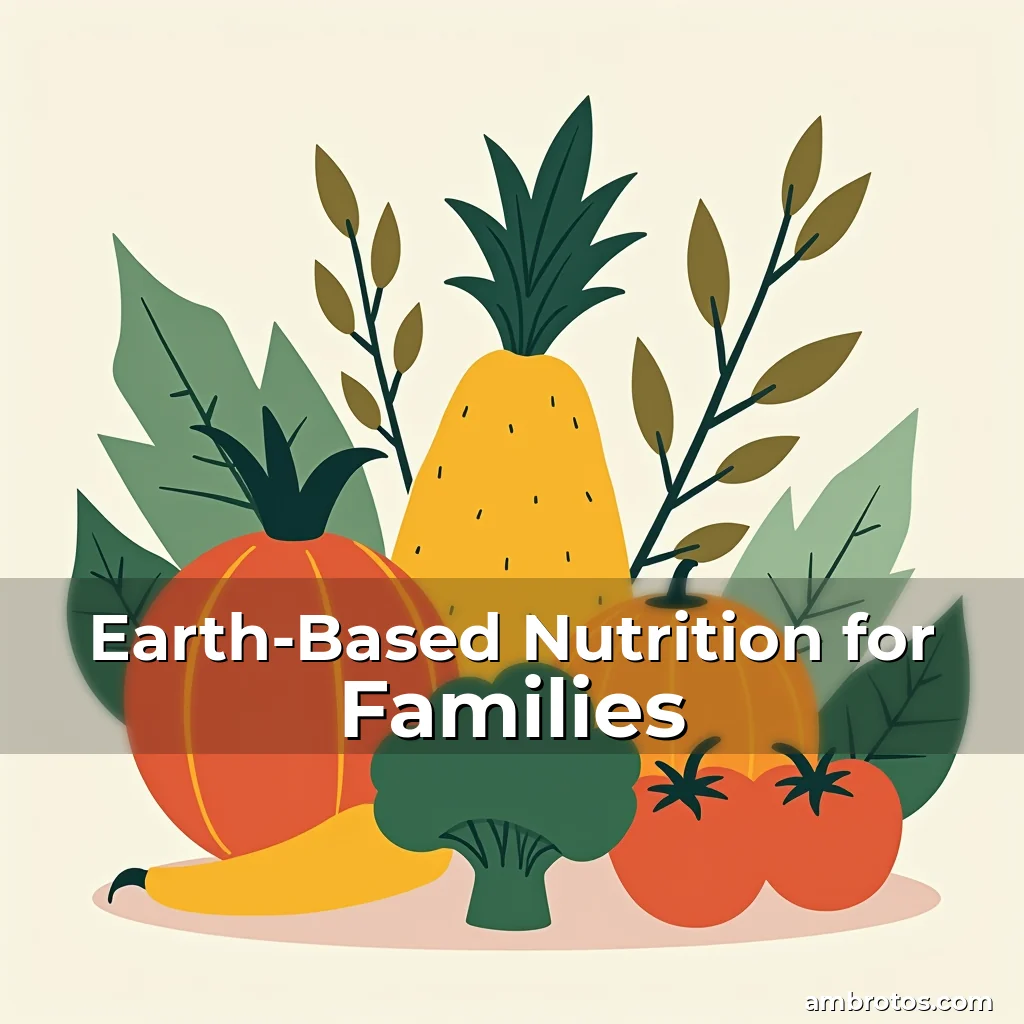
Earth-Based Nutrition for Families
In an era where health-conscious choices shape our daily lives, earth-based nutrition stands out as a powerful way to nourish both body and planet. This approach centers around consuming whole foods grown through sustainable agricultural practices that respect ecological balance.
The principles behind earth-based eating are rooted in regenerative farming techniques that enhance soil health while producing nutrient-rich produce. By choosing locally sourced ingredients, families not only support their communities but also reduce environmental impact from transportation emissions.
The Science Behind Earth-Based Eating
Modern research highlights the direct connection between soil quality and human health. Nutrient-dense soils yield crops packed with essential vitamins and minerals, unlike conventionally farmed counterparts often depleted by chemical inputs.
Crops grown in healthy ecosystems show higher levels of antioxidants and phytonutrients. These compounds play crucial roles in immune function, inflammation reduction, and overall cellular health maintenance.
- Fermented foods: Traditional preservation methods boost gut microbiome diversity, enhancing digestion and mental well-being.
- Biodiversity in diet: Consuming varied plant species ensures intake of different micronutrients vital for optimal bodily functions.
Nourishing Your Home Through Soil Health
Healthy soil is the foundation of any thriving food system. Incorporating composted organic matter improves microbial activity which in turn enhances plants’ ability to absorb nutrients efficiently.
Gardeners can significantly enrich their soil by rotating crops seasonally. This practice prevents nutrient depletion and reduces pest infestation risks without relying on synthetic pesticides.
Introducing cover crops during fallow periods adds nitrogen back into the soil naturally. Legumes specifically excel at fixing atmospheric nitrogen, creating fertile ground for future harvests.
Seasonal Cooking Made Simple
Taking advantage of seasonal availability simplifies meal planning while maximizing freshness. Locally available produce reaches peak flavor when harvested at its natural ripening time.
A simple weekly plan could include roasted root vegetables paired with fresh greens during autumn months. Spring offers vibrant salads featuring young lettuce, spinach, and edible flowers.
Families might experiment with preserving summer’s bounty through pickling, drying, or fermenting techniques that extend shelf life beyond growing seasons.
This cyclical relationship with nature teaches children about food origins and encourages mindful consumption habits from an early age.
Educational Opportunities Within Food Systems
Teaching children about where food comes from fosters appreciation for sustainable living. Hands-on experiences like planting seeds or visiting local farms make abstract concepts tangible.
School garden programs have shown improved student engagement across subjects after participating in hands-on agricultural activities. Students develop skills related to biology, mathematics, and environmental stewardship simultaneously.
Parents can reinforce these lessons at home by involving children in grocery shopping decisions based on nutritional value rather than marketing influences alone.
Cooking together provides opportunities for cross-generational knowledge transfer about traditional cooking methods passed down through generations.
Community Building Through Shared Resources
Local farmers markets serve as hubs connecting consumers directly with growers who employ ethical production standards. Supporting these businesses strengthens regional economies and promotes transparency in food sourcing.
Neighborhood gardening initiatives allow residents without personal yards access to communal plots for cultivation purposes. Such spaces encourage social interaction while providing fresh, affordable produce options.
Citizen-led efforts such as seed exchanges promote genetic diversity among heirloom varieties threatened by industrial agriculture practices prioritizing uniformity over resilience.
Cooperative kitchens facilitate recipe sharing and skill development within diverse cultural contexts, fostering mutual understanding and respect through shared culinary traditions.
Challenges and Solutions in Adopting Earth-Based Diets
Transitioning fully may present challenges regarding accessibility and affordability factors affecting vulnerable populations disproportionately impacted by food deserts.
Urban farming projects offer viable alternatives for city dwellers seeking proximity to fresh produce sources. Rooftop gardens and vertical farming systems maximize limited space creatively.
Education campaigns targeting underserved areas help demystify preparation techniques associated with less processed foods typically found at specialty stores or through direct-to-consumer channels.
Policy advocacy remains critical in ensuring equitable distribution of resources necessary for successful implementation of sustainable dietary patterns nationwide.
Promoting Long-Term Sustainability Goals
Adopting earth-based nutrition aligns seamlessly with global climate action objectives by reducing reliance on fossil fuel-intensive food supply chains.
Eco-friendly packaging innovations paired with bulk purchasing models minimize plastic waste generated throughout product lifecycle stages from harvesting to disposal.
Water conservation strategies implemented at various points along food production pathways contribute meaningfully toward planetary regeneration targets set forth by international agreements.
Encouraging regenerative agriculture adoption among commercial operations further amplifies positive environmental impacts achievable through collective consumer demand shifts.
Empowering Future Generations Through Education
Youth education initiatives integrating food literacy components cultivate informed decision-making abilities from formative years onward. Understanding ecological interdependencies informs better lifestyle choices impacting public health outcomes collectively.
Cross-disciplinary curricula combining scientific inquiry with practical application create holistic learning environments where theory meets real-world relevance effectively.
Experiential learning modules focusing on crop cycles demonstrate how biological rhythms influence human physiology reinforcing connections between individual wellness and broader ecosystemic stability.
Developing strong emotional bonds with food through immersive educational experiences increases likelihood of maintaining healthful behaviors persistently over lifetimes.
The Role of Technology in Enhancing Accessibility
Digital platforms provide convenient tools for tracking nutritional intakes aligned with earth-based philosophies emphasizing completeness over restriction approaches commonly promoted elsewhere online.
Mobile applications incorporating geolocation features guide users toward nearby producers offering farm-fresh selections unavailable in conventional supermarket settings regularly.
Data analytics capabilities enable personalized recommendations considering geographical constraints while still meeting dietary needs holistically without sacrificing enjoyment aspects inherently tied to culturally significant meals.
Telehealth services now incorporate registered dietitians specializing exclusively in ecologically conscious eating plans allowing remote consultations beneficial especially rural or mobility-limited individuals.
Measuring Impact Through Community Success Stories
Vibrant examples exist worldwide illustrating transformative potential contained within localized solutions addressing complex systemic issues surrounding modern food culture.
Cities implementing urban greening policies reported increased biodiversity alongside measurable improvements observed in air quality indices previously burdened by heavy industry remnants.
Regional collaborations focused solely upon restoring degraded landscapes saw dramatic reversals indicated by improved water retention capacities recorded prior to restoration endeavors commenced systematically.
Detailed case studies documenting long-term results serve as compelling evidence supporting continued investment required to scale up proven effective interventions broadly applicable across differing geographic regions globally.
Conclusion
Embracing earth-based nutrition transforms everyday dining rituals into meaningful acts contributing positively towards planetary healing processes ongoing continually.
Families adopting these principles foster generational change capable of redefining what constitutes nourishment fundamentally reshaping relationships humans maintain with environment sustaining them collectively perpetually forward.


news is a contributor at Ambrotos.com. We are committed to providing well-researched, accurate, and valuable content to our readers.
You May Also Like


Pure Ingredients Clean Eating
Pure Ingredients Clean Eating: Nourishing Your Body with Nature’s Best Offerings The movement toward pure ingredients reflects a growing desire...

Family Nourishing Rituals
The Sacred Art of Family Nourishment: Transforming Meals Into Meaningful Moments In an era dominated by fast food chains and...
Rooted in Time: Cultivating Organic Heritage through Tradition and Innovation
Rooted in Time: Cultivating Organic Heritage through Tradition and Innovation Organic heritage represents the enduring legacy of natural farming methods...

Native American Ancient Wisdom
The Timeless Teachings of Indigenous Ancestors: Embracing Ancient Wisdom in Modern Life In an age defined by rapid technological advancements...