


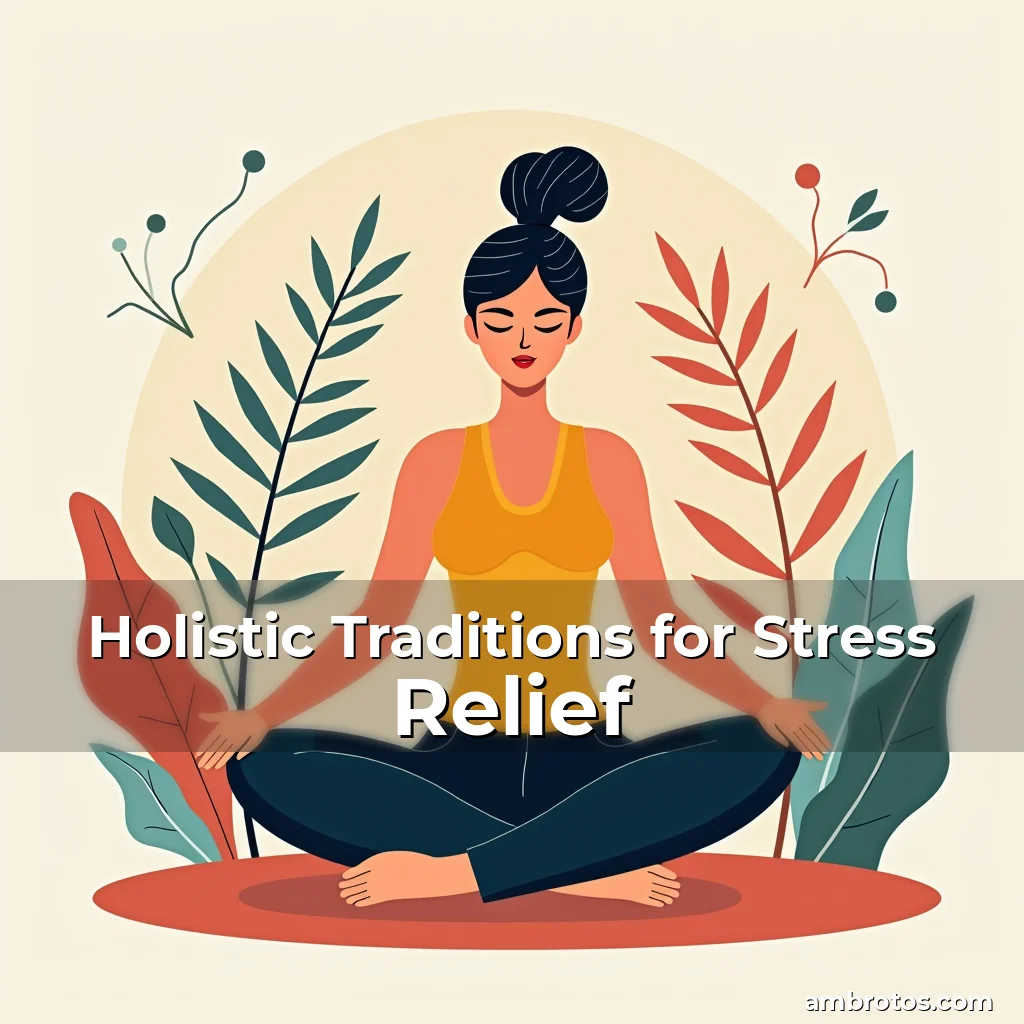
The Healing Wisdom of Holistic Traditions: A Pathway to Balance and Wholeness
In an era dominated by fast-paced lifestyles and technological advancements, many individuals are turning back toward ancient holistic traditions as a means of finding balance and harmony within themselves. These time-honored practices offer not only physical healing but also emotional, mental, and spiritual well-being.
Holistic traditions encompass a wide range of philosophies and techniques that emphasize the interconnectedness of mind, body, and spirit. By integrating these approaches into daily life, people can cultivate resilience against stress and enhance their overall quality of life.
The Foundations of Holistic Traditions
Holistic traditions are rooted in the belief that true health arises from equilibrium among various aspects of human existence—physical, psychological, social, and environmental. This perspective challenges conventional medicine’s compartmentalization of ailments, instead advocating for integrated solutions that address root causes rather than symptoms alone.
Many cultures have developed holistic systems over centuries, such as Ayurveda from India, Traditional Chinese Medicine (TCM), and Indigenous healing practices worldwide. These frameworks often rely on natural remedies, energy flow principles, and lifestyle adjustments to promote wellness.
Ayurvedic Principles: Originating over 3,000 years ago, Ayurveda classifies individuals based on doshas—Vata, Pitta, and Kapha—which govern bodily functions and temperament. Balancing these energies through diet, herbs, yoga, and meditation is central to its philosophy.
Tai Chi and Qigong: Practiced extensively in East Asia, these martial arts combine slow movements with breath control to harmonize Qi, or vital energy. Regular practice has been shown to reduce inflammation markers and improve cognitive function in aging populations.
- Nutrition: Whole foods rich in antioxidants and omega-3s support cellular repair processes essential for maintaining vitality across all age groups.
- Sleep Hygiene: Establishing consistent sleep patterns aligns circadian rhythms with natural light cycles, enhancing both immune response and mood regulation capabilities.
Mindfulness Practices: Techniques like deep breathing exercises and guided visualization help regulate autonomic nervous system responses during stressful situations. They encourage present-moment awareness which reduces anxiety levels significantly when practiced regularly.
Cultural Roots and Modern Adaptations
From the shamanic rituals of Amazonian tribes to the structured methodologies found in Tibetan Buddhism, each culture contributes uniquely shaped holistic wisdom tailored to local environments and needs. Understanding these diverse origins enriches our appreciation for global therapeutic landscapes.
Modern adaptations merge traditional knowledge with contemporary scientific research, creating hybrid models that respect ancestral teachings while incorporating evidence-based strategies. For instance, acupuncture now includes neuroimaging studies validating its efficacy beyond mere anecdotal reports.
Indigenous Healing: Many indigenous communities employ plant-based medicines alongside ceremonial rites aimed at restoring communal harmony alongside individual recovery. Their approach emphasizes reciprocity between humans and nature—a concept increasingly relevant amid climate change concerns.
Buddhist Meditation: Mindfulness-based stress reduction (MBSR) programs draw heavily from Buddhist contemplative traditions yet adapt them for secular contexts. Research indicates participants experience measurable decreases in cortisol levels after eight weeks of regular practice.
Spiritual Integration: While some prefer non-religious versions of holistic care, others find value in connecting with higher powers or universal consciousness. This aspect varies widely depending on personal beliefs but remains integral to achieving complete wellness according to many practitioners.
Scientific Validation and Contemporary Relevance
As interest grows in alternative therapies, so does the volume of peer-reviewed literature supporting their effectiveness. Studies published in reputable journals confirm benefits ranging from pain management to improved cardiovascular outcomes associated with various holistic interventions.
One notable example involves the use of herbal supplements derived from plants used traditionally for millennia. Clinical trials demonstrate that compounds like curcumin exhibit anti-inflammatory properties comparable to pharmaceutical drugs without severe side effects typically seen in medication treatments.
Herbal Remedies: Plants such as turmeric, ginger, and echinacea have undergone extensive biochemical analysis revealing active constituents responsible for their medicinal effects. Standardized formulations ensure consistency in potency across different product lines available today.
Evidence-Based Yoga: Randomized controlled trials comparing yoga therapy against standard rehabilitation protocols show equal or superior results in treating chronic lower back pain. Moreover, yogic postures increase flexibility and strength simultaneously—an advantage few other forms of exercise provide.
Digital Tools Supporting Wellness: Mobile applications tracking progress through journal entries, reminders for self-care routines, and virtual consultations enable greater accessibility to holistic resources globally. Wearable technology measures physiological indicators allowing personalized feedback loops crucial for long-term success.
Implementing Holistic Traditions Into Daily Life
To effectively integrate holistic practices into everyday routines requires intentional effort towards establishing sustainable habits aligned with personal values and goals. Begin by identifying areas where current behaviors may contribute negatively to overall well-being before making changes.
Creating small achievable milestones helps maintain motivation; celebrating accomplishments along the journey reinforces positive associations necessary for lasting transformation. It’s important not to overwhelm oneself initially but gradually build up complexity as comfort increases.
Setting Intentions: Clarifying why certain activities matter personally makes adherence easier during challenging times. Writing down motivations serves as constant reminder whenever doubts arise regarding commitment level required.
Routine Development: Designate specific hours each day dedicated solely to nurturing mind-body connection through activities chosen deliberately—not imposed externally. Consistency becomes habit over time leading naturally towards automaticity without conscious effort involved anymore.
Community Engagement: Joining groups focused on similar interests fosters accountability mechanisms beneficial for sustaining new behavioral patterns permanently. Shared experiences create bonds strengthening resolve even when external pressures threaten consistency efforts.
Challenges and Considerations When Adopting Holistic Methods
Despite numerous advantages offered by holistic traditions, potential obstacles exist including skepticism stemming from lack of familiarity with unfamiliar modalities. Overcoming initial resistance demands open-minded exploration combined with critical evaluation of sources providing information.
Differences in cultural background might influence receptivity levels toward particular types of treatment options available. Recognizing these nuances facilitates respectful dialogue ensuring mutual understanding devoid of judgmental attitudes harming constructive interactions.
Medical Consultation Importance: Always consult qualified healthcare professionals prior attempting any significant alterations involving medical conditions currently being managed via prescribed medications. Interactions could occur affecting drug metabolism rates unpredictably unless monitored closely.
Quality Assurance Issues: With increasing commercialization comes risk related to authenticity verification especially concerning products labeled “natural” or “organic.” Consumers need reliable ways distinguishing genuine offerings versus misleading marketing tactics employed fraudulently sometimes.
Potential Misinterpretations: Some individuals misapply teachings incorrectly believing they apply universally regardless of context-specific factors influencing actual outcomes achieved. Context sensitivity remains key element determining successful implementation ultimately.
Fostering Resilience Through Integrated Approaches
By weaving together elements drawn from multiple disciplines—including psychology, ecology, sociology—we develop multifaceted tools capable of addressing complex modern issues facing society today. Such integrative frameworks empower individuals taking charge actively shaping destinies rather than passively reacting to circumstances unfolding around them.
Resilience cultivation thrives particularly well under conditions promoting autonomy choices made freely informed fully about consequences likely ensuing thereafter. Empowerment emerges naturally once people recognize capacity residing inherently within selves waiting patiently to be activated appropriately.
Emotional Intelligence Enhancement: Developing skills recognizing emotions accurately followed by managing reactions constructively lays foundation upon which stronger interpersonal relationships flourish subsequently. Emotional literacy becomes prerequisite condition enabling deeper connections formed authentically between persons interacting meaningfully together.
Environmental Stewardship Connection: Acknowledging interdependence existing mutually between organisms inhabiting planet Earth compels us toward adopting greener living styles reducing carbon footprint collectively contributing positively impacting future generations’ prospects favorably thereby.
Personal Growth Facilitation: Continuous learning journeys undertaken voluntarily lead inevitably toward expanded horizons opening doors previously closed tightly shut firmly against exploratory endeavors seeking novel experiences awaiting discovery eagerly somewhere out there beyond familiar territories explored already thoroughly earlier on.
The Future of Holistic Traditions in Global Health Care Systems
With rising demand for preventive care emphasizing proactive engagement rather than reactive intervention, governments and institutions worldwide begin reevaluating roles played historically by conventional healthcare providers. Shifts underway suggest gradual incorporation of complementary methods alongside mainstream services becoming norm eventually replacing old paradigms altogether completely.
Initiatives launched recently aim bridging gaps separating clinical settings from community centers focusing primarily on grassroots level empowerment initiatives targeting marginalized populations neglected hitherto due mainly because insufficient funding allocated proportionally matching severity of problems faced persistently over prolonged periods consistently.
Policy Changes Needed: Legislative reforms enabling insurance coverage expansion covering broader spectrum of alternative therapies would accelerate adoption rates dramatically boosting public access significantly improving population-wide health metrics substantially across diverse demographic segments represented inclusively fairly equitably irrespective socio-economic status disparities prevalent still today despite best intentions expressed publicly frequently.
Education Reform Opportunities: Incorporating modules teaching fundamental tenets underlying holistic philosophies into school curricula prepares younger generations appreciating value inherent within ecological balance maintenance practices benefiting everyone regardless age gender race religion nationality etcetera uniformly without exceptions whatsoever anywhere anytime everywhere.
Research Investment Prioritization: Allocating adequate financial resources directing attention toward rigorous empirical investigations examining long-term impacts resulting from sustained application of holistic principles promises unlocking breakthrough discoveries revolutionizing medical science profoundly altering trajectories set forth decades ahead potentially.
Conclusion
Holistic traditions represent a profound reservoir of wisdom offering pathways toward enhanced well-being grounded deeply within historical narratives spanning thousands of years. Their relevance continues growing exponentially amidst escalating global crises demanding innovative solutions urgently requiring immediate attention.
Adopting these time-tested approaches doesn’t merely involve trying out isolated techniques randomly selected arbitrarily—it entails embracing an entirely new way of relating intimately with world surrounding us fostering enduring peace internally while contributing positively outwardly shaping better tomorrow collaboratively co-created intentionally together hand-in-hand side-by-side seamlessly intertwined intricately woven closely connected tightly bound inseparably linked forevermore.
“`


news is a contributor at Ambrotos.com. We are committed to providing well-researched, accurate, and valuable content to our readers.
You May Also Like

Mindfulness Practices Inspired by Nature
Mindfulness Practices Inspired by Nature In today's fast-paced world, finding moments of stillness has become essential. Mindfulness rooted in nature...

Natural Lifestyle Home Cleaning
Natural Lifestyle Home Cleaning: Embracing Eco-Friendly Living for Healthier Spaces In today’s fast-paced world, many individuals seek harmony between modern...
Timeless Vitality After 50
Timeless Vitality After 50 As we step beyond our fiftieth birthday, many of us begin to notice subtle changes in...

Sustainable Natural Lifestyle Choices
Nourishing the Body Naturally A cornerstone of any natural lifestyle is prioritizing whole, unprocessed foods sourced from ethical agricultural systems....