


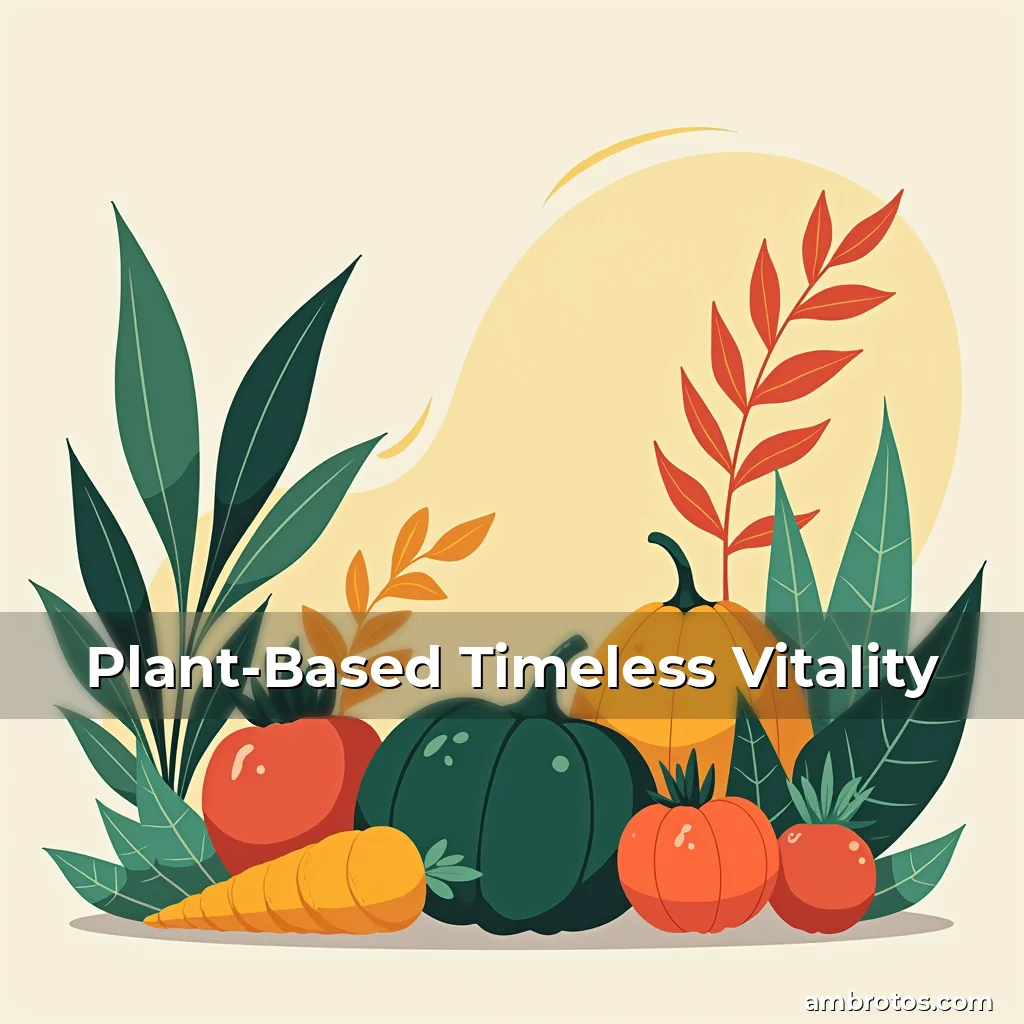
Unlocking Plant-Based Timeless Vitality: A Journey Through Nature’s Wisdom
In an era where wellness trends come and go at lightning speed, there’s something profoundly enduring about the pursuit of timeless vitality through plant-based living. This journey isn’t merely about dietary choices—it’s a holistic embrace of nature’s inherent wisdom that has sustained humanity for millennia. By tapping into the richness of plant-derived nutrients, we unlock pathways to longevity, resilience, and vibrant health.
The concept of timeless vitality resonates deeply within communities dedicated to natural lifestyles, such as the Ambrosia Collective. These groups recognize that true well-being is not found in fleeting fads but rather in sustainable practices rooted in ancient traditions and modern scientific understanding. As we delve deeper into this exploration, you’ll discover how plants serve as both nourishment and medicine, guiding us toward a life filled with energy, clarity, and purpose.
The Science Behind Timeless Vitality
Timeless vitality is more than a philosophical ideal; it’s grounded in rigorous scientific research. Studies from esteemed institutions reveal compelling evidence linking plant-rich diets with enhanced cellular function, reduced inflammation markers, and improved cardiovascular health. Researchers have consistently shown that individuals consuming predominantly plant-based foods exhibit lower rates of chronic diseases compared to those relying heavily on animal products.
One groundbreaking study published by the American Heart Association demonstrated that participants following a whole-foods, plant-based diet experienced significant improvements in blood pressure regulation and arterial flexibility after just six months. This physiological transformation highlights the profound impact our food choices can have on long-term health outcomes. The abundance of antioxidants present in fruits, vegetables, legumes, and whole grains plays a crucial role in neutralizing harmful free radicals responsible for premature aging processes.
Key findings from recent clinical trials:
- Enhanced mitochondrial efficiency: Nutrients like lycopene in tomatoes and resveratrol in grapes boost mitochondrial function, enhancing overall metabolic efficiency.
- DNA repair mechanisms: Certain phytochemicals activate enzymes involved in DNA repair pathways, reducing mutagenic risks associated with oxidative stress.
- Neuroprotective effects: Compounds such as curcumin from turmeric support brain health by modulating inflammatory responses linked to neurodegenerative conditions.
- Gut microbiome diversity: High-fiber plant foods cultivate beneficial gut bacteria, which play essential roles in immune modulation and nutrient absorption.
These discoveries underscore the transformative potential of incorporating diverse plant-based foods into daily routines. They also challenge conventional paradigms regarding optimal nutrition, suggesting that our ancestral diets may hold answers to contemporary health crises.
Natural Remedies Rooted in Ancient Traditions
Throughout history, various cultures have relied upon botanical remedies to achieve optimal health and longevity. From Ayurveda to Traditional Chinese Medicine, these systems emphasize harmony between body, mind, and environment—principles increasingly validated by modern science. Many herbal treatments used today originated centuries ago yet remain relevant due to their potent bioactive compounds.
Ayurvedic practitioners advocate for personalized approaches based on individual doshas (constitutional types), often recommending specific herbs tailored to each person’s needs. For instance, ashwagandha—a powerful adaptogen—is widely recognized for its ability to reduce cortisol levels while improving sleep quality and cognitive performance. Similarly, TCM frequently employs ginseng root to enhance stamina and mental acuity, demonstrating remarkable consistency across different cultural contexts.
Botanical Powerhouses Across Cultures
Certain plants have transcended geographical boundaries to become global symbols of vitality. Turmeric, native to South Asia, contains curcumin—an anti-inflammatory compound extensively studied for its disease-preventive properties. In Japan, green tea is revered not only for its antioxidant profile but also for promoting weight management and metabolic balance when consumed regularly.
Holy basil from India, commonly known as tulsi, exemplifies another cross-cultural marvel possessing antimicrobial, antiviral, and immunomodulatory qualities. Research indicates that regular consumption of holy basil extract significantly reduces symptoms related to respiratory infections and enhances overall immunity against viral pathogens. Such examples illustrate how traditional knowledge continues to inform current medical advancements without losing touch with historical roots.
Fostering Mental Resilience Through Plant-Based Diets
Mental resilience forms a cornerstone of timeless vitality, enabling individuals to navigate life’s challenges with grace under pressure. Emerging neuroscience reveals fascinating connections between gut health and psychological well-being—a phenomenon termed ‘the gut-brain axis.’ This bidirectional communication network links digestive tract microflora to mood regulation centers in the brain.
Evidence suggests that fiber-rich plant foods contribute positively to this relationship by fostering beneficial bacterial colonies capable of producing neurotransmitters like serotonin. Serotonin, famously dubbed the ‘feel-good’ hormone, influences emotional stability, appetite control, and sleep cycles—all vital components contributing to a resilient mindset. Incorporating probiotic-rich fermented foods alongside prebiotic sources further strengthens these neural pathways.
Notable benefits observed include:
- Reduced anxiety scores among participants who integrated daily servings of leafy greens into their meal plans;
- Improved attention spans reported by students maintaining high intake levels of omega-3 fatty acids derived primarily from flaxseeds and chia seeds;
- Sustained cognitive function noted even during periods of prolonged work sessions thanks to consistent fueling via complex carbohydrates found abundantly in oats and quinoa.
This intricate interplay underscores why prioritizing plant-based meals goes beyond physical rejuvenation—it nurtures emotional intelligence and equips individuals with tools necessary for thriving amidst uncertainty.
Cultivating Daily Rituals for Lasting Energy
Sustainable energy emerges from intentional lifestyle choices rather than quick fixes promising instant results. Establishing mindful eating habits ensures optimal digestion and efficient conversion of macronutrients into usable energy stores. Chewing food thoroughly activates salivary amylase, initiating carbohydrate breakdown before reaching the stomach—thereby easing digestive strain later in the process.
Routine hydration remains equally critical; water acts as a catalyst facilitating biochemical reactions within cells. Dehydration impairs concentration abilities and diminishes muscular coordination, making adequate fluid intake imperative for sustaining productivity throughout the day. Sipping fluids gradually instead of guzzling them helps maintain steady internal temperatures and prevents sudden drops in alertness.
Strategies for Optimal Hydration and Nutrition Timing
Scientifically informed timing strategies maximize nutritional absorption rates by aligning meal intervals with circadian rhythms governing metabolism. Consuming protein-dense meals earlier in the day supports muscle maintenance without disrupting nocturnal rest patterns. Conversely, heavier carbohydrate loads late evening might interfere with sleep quality unless carefully balanced with sufficient fiber intake.
Integrating small portions of nuts and dried fruit between meals provides sustained release of sugars preventing post-lunch slumps common among office workers. Such practical adjustments demonstrate how seemingly minor changes yield substantial improvements in overall vigor and engagement throughout daily activities.
Nurturing Relationships as Pillars of Longevity
Social bonds form foundational elements supporting lifelong vibrancy. Human connection stimulates oxytocin production, which counteracts stress hormones and fosters emotional security. Engaging in meaningful conversations releases endorphins that promote feelings of joyfulness and satisfaction—key contributors to subjective well-being assessments conducted globally.
Community involvement offers additional layers of enrichment; volunteering efforts instill sense of accomplishment while exposing members to new experiences broadening perspectives. Participation in group exercises or shared meal preparations cultivates camaraderie reinforcing collective commitment towards healthy living goals.
Measuring Social Wellbeing Impact
Recent longitudinal studies analyzing elderly populations revealed direct correlations between strong social networks and extended lifespans. Individuals reporting frequent interaction with family friends showed increased resistance to age-related frailties compared to isolated counterparts. Psychological indicators measured included elevated self-esteem ratings and decreased incidence of depressive episodes over time.
Moreover, technology now enables virtual interactions preserving connectivity despite geographic barriers. Online discussion forums allow sharing personal journeys relating to plant-based transitions, creating supportive ecosystems where encouragement flows freely amongst peers striving together toward greater wellness objectives.
Embracing Mindfulness Practices for Holistic Health
Mindful awareness transforms everyday moments into opportunities for growth and renewal. Meditation techniques originating from Eastern philosophies teach observers to detach temporarily from reactive thought patterns thereby cultivating inner peace amid external chaos. Regular practice sharpens focus capabilities useful during demanding tasks requiring precision and patience.
Breathwork exercises provide tangible methods regulating autonomic nervous system functions. Alternate nostril breathing balances left-right hemisphere activity leading to heightened sensory perception whereas deep abdominal inhalations engage core muscles strengthening posture naturally over time. Combining these disciplines enhances mental clarity allowing better decision-making skills under duress scenarios.
Integration Into Modern Lifestyles
Adapting mindfulness principles within contemporary schedules requires creative problem-solving approaches. Setting reminders prompting brief pauses for grounding rituals midday recharges depleted energy reserves efficiently without needing extensive time commitments. Short walking meditations utilizing scenic routes combine physical movement with introspective reflection simultaneously achieving dual therapeutic purposes.
Technology serves as ally here too; numerous apps guide users through structured meditation sessions ranging from five minutes up to full hour durations depending upon availability. Tracking progress via visual charts motivates continued participation encouraging gradual expansion into longer duration explorations once comfort levels increase sufficiently.
Continuous Learning: Expanding Knowledge Horizons
Lifelong learning keeps intellectual curiosity alive ensuring continued adaptation amid evolving environments. Reading habitually exposes minds to novel ideas challenging existing assumptions about established norms surrounding nutrition and healthcare delivery models worldwide. Accessible online courses now democratize education previously reserved exclusively for academic elites expanding access exponentially.
Pursuing certifications related to organic gardening or herbalism deepens appreciation for regenerative agriculture movements gaining traction recently. Acquiring hands-on experience working soil improves comprehension regarding sustainable resource management aligning perfectly with values emphasized throughout this discourse concerning ecological stewardship responsibilities entrusted upon future generations.
Celebrating Small Victories Alongside Major Achievements
Recognizing incremental successes reinforces positive feedback loops propelling forward momentum relentlessly. Keeping gratitude journals encourages identifying blessings overlooked amidst routine existence. Writing down three accomplishments each week maintains perspective shifting emphasis away from shortcomings limiting potential development trajectories unnecessarily.
Celebratory gestures don’t require grand gestures; simple acknowledgments suffice. Sharing favorite recipes discovered recently sparks joyful exchanges inspiring others to experiment fearlessly exploring uncharted culinary territories confidently knowing support exists whenever experimentation leads somewhere unexpected but ultimately rewarding nonetheless.
Conclusion
In essence, unlocking plant-based timeless vitality involves embracing multifaceted dimensions encompassing diet, relationships, mental agility, and continuous education. It demands deliberate effort integrating scientifically supported practices backed by centuries-old traditions verified repeatedly through empirical validations occurring routinely nowadays.
To embark upon this fulfilling path successfully begins with small yet impactful actions—choosing locally sourced produce more often, dedicating ten extra minutes weekly discussing health topics with loved ones, practicing focused breathing techniques intermittently throughout busy days. With persistence applied patiently overtime, these cumulative effects manifest visibly transforming lives meaningfully year after year ahead.


news is a contributor at Ambrotos.com. We are committed to providing well-researched, accurate, and valuable content to our readers.
You May Also Like

Exploring the Roots of Wellness
Exploring the Roots of Wellness The concept of wellness is deeply rooted in ancient traditions that have shaped modern understanding...

The Living Legacy: Exploring Organic Heritage Through Timeless Practices
The Living Legacy: Exploring Organic Heritage Through Timeless Practices In an era dominated by industrial agriculture and synthetic interventions, the...

Earth-Based Nutrition Supplements
The Alchemy of Earth: Discovering Nature's Nutritional Powerhouse In an era where processed foods dominate supermarket shelves and synthetic supplements...

Harmonious Eating Principles
The Symphony of Sustenance: Harmonious Eating as an Artful Practice What if your meals could be more than mere nourishment?...