


The Timeless Wisdom of Holistic Traditions: Nurturing Body, Mind, and Spirit
In an era dominated by fast-paced lifestyles and fragmented wellness approaches, holistic traditions offer a profound return to balance and interconnectedness. These ancient practices encompass diverse cultural knowledge systems that prioritize harmony between physical health, emotional well-being, mental clarity, and spiritual alignment.
This exploration delves into the rich tapestry of holistic traditions across civilizations, revealing their enduring relevance in today’s world. From Ayurveda to Traditional Chinese Medicine, from Indigenous healing rituals to modern integrative medicine models, these wisdom paths continue to shape contemporary understanding of health and wholeness.
The Philosophical Foundations of Holistic Practices
Holistic traditions are rooted in the fundamental belief that human beings exist within intricate ecosystems where physical, mental, emotional, and spiritual dimensions interconnect seamlessly. This perspective challenges reductionist medical paradigms that isolate symptoms rather than addressing root causes.
Cultural narratives around health have long emphasized prevention over cure, recognizing that true vitality emerges through balanced living rather than reactive treatment alone. Ancient texts from various traditions consistently affirm this principle, offering timeless guidance applicable to modern life.
Energetic perspectives form a central tenet in many holistic frameworks. Eastern philosophies like Taoism and Ayurveda describe subtle energy flows (qi and prana respectively) that influence every aspect of physiological function when properly maintained.
Interconnectedness is another foundational concept, emphasizing our relationship not only with ourselves but also with nature, communities, and ancestral legacies. Healing thus becomes both personal and collective, transcending individual experiences.
Diverse Cultural Expressions of Holistic Wellness
Civilizations across millennia have developed distinct yet complementary holistic systems tailored to their environments and beliefs. The Indian subcontinent gave rise to Ayurveda, while East Asia cultivated Traditional Chinese Medicine (TCM), each representing sophisticated understandings of natural law and human biology.
African traditional medicine embodies a deep ecological awareness, often incorporating plant-based remedies alongside ritualistic elements that honor ancestral connections. Similarly, Native American healing practices emphasize communion with nature and spirit guides as integral components of restoration.
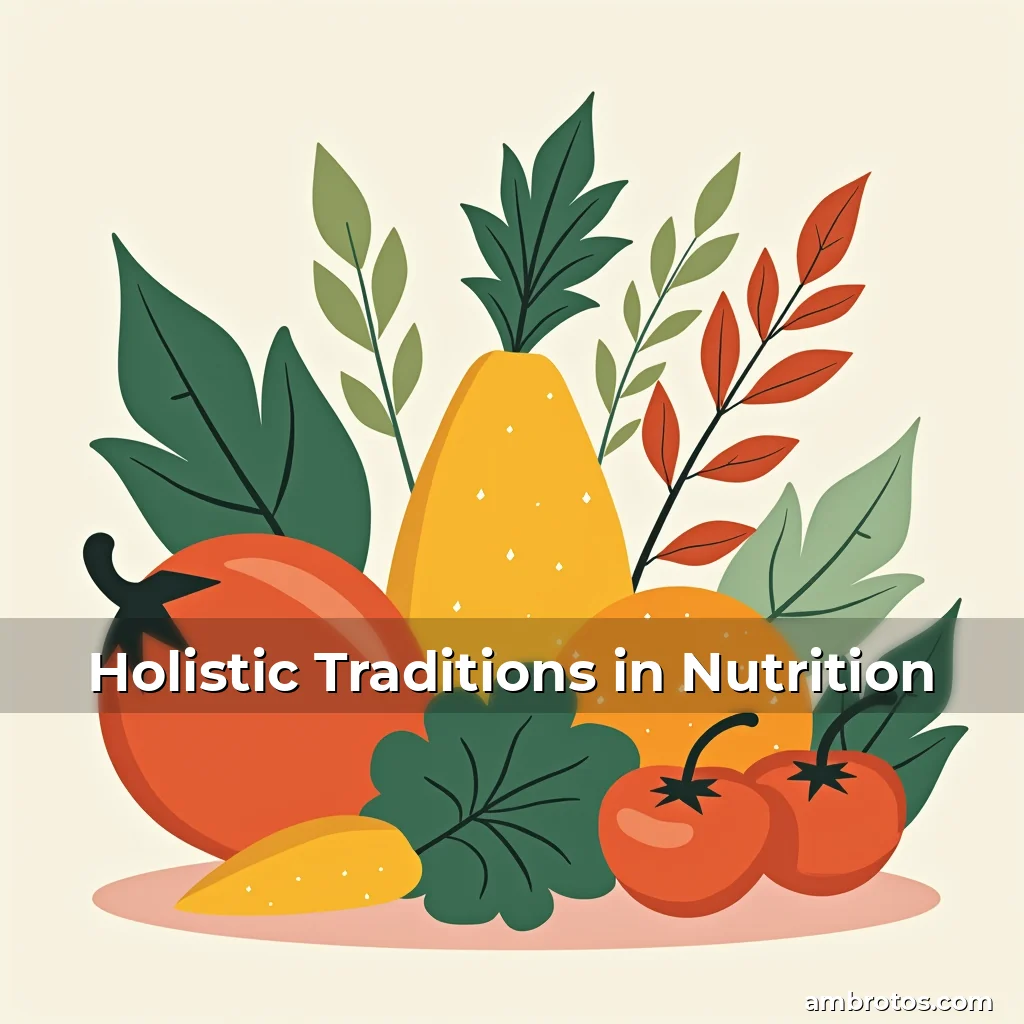
- Nutritional principles: Many cultures recognize food as medicine, developing diets aligned with seasonal rhythms and local flora to optimize bodily functions.
- Mental-emotional integration: Techniques such as meditation, breathwork, and storytelling serve as tools for processing emotions and maintaining psychological equilibrium.
- Spiritual alignment: Rituals, prayer, and sacred spaces help individuals reconnect with deeper existential truths essential for inner peace.
Modern Relevance and Scientific Validation
Contemporary research increasingly supports the efficacy of holistic modalities once dismissed by mainstream science. Studies demonstrate that mindfulness practices reduce stress hormones, acupuncture stimulates neural pathways, and herbal therapies show promising results in treating chronic conditions.
The World Health Organization now acknowledges the value of integrating traditional medicines into global healthcare systems. Countries like China and India maintain robust regulatory frameworks for their respective holistic practices, ensuring safety and quality standards akin to conventional treatments.
Evidence-based validation: Clinical trials corroborate benefits ranging from improved sleep patterns using aromatherapy to enhanced immune response through dietary interventions rooted in indigenous knowledge.
Personalized approaches: Unlike one-size-fits-all pharmaceutical solutions, holistic methods adapt to individual constitution types, environmental factors, and lifestyle needs – a concept gaining traction in precision medicine fields.
Integrating Holistic Principles into Daily Life
Bridging ancient wisdom with modern existence requires thoughtful adaptation without losing core philosophical underpinnings. Simple daily rituals can cultivate mindful engagement with food, movement, rest, and connection – all vital aspects of holistic living.
Creating intentional meal times free from distractions allows full sensory appreciation of nourishment, aligning with the idea that eating should be a meditative act rather than mere sustenance consumption. Incorporating nature walks into routines reestablishes our intrinsic bond with the environment.
Routine enhancements: Establishing regular sleep schedules mirrors traditional practices that viewed circadian rhythm synchronization as crucial for optimal functioning. Similarly, digital detox periods mirror monastic retreats designed for mental rejuvenation.
Community building: Engaging in group activities fosters social connectivity, echoing communal living arrangements found in many traditional societies which recognized collective well-being as key to individual prosperity.
Challenges and Considerations in Practice
While embracing holistic traditions offers numerous benefits, practitioners must navigate potential pitfalls arising from oversimplification or commercialization of these complex systems. Misinterpretation can lead to ineffective applications or even harm when applied outside original contexts.
Critical examination of sources ensures authenticity rather than superficial adaptations. Distinguishing between genuine tradition and market-driven trends helps avoid dilution of meaningful practices through trendy reinterpretations lacking historical depth.
Ethical considerations: Respect for cultural origins prevents appropriation while promoting cross-cultural learning. Acknowledging intellectual property rights protects indigenous knowledge systems from exploitation.
Scientific literacy: Complementing experiential knowledge with empirical evidence strengthens credibility without undermining time-tested methodologies. A balanced approach integrates tradition with modern verification processes.
Fostering Global Understanding Through Shared Knowledge
Holistic traditions transcend geographical boundaries by addressing universal human concerns about health, purpose, and connection. Collaborative exchanges between different healing systems foster mutual respect and innovation at the intersection of science and spirituality.
Academic institutions worldwide now include comparative studies of traditional medicines, acknowledging their contributions to pharmacology and therapeutic development. Cross-disciplinary dialogues reveal surprising parallels among seemingly disparate healing philosophies.
Cross-cultural dialogue: Initiatives promoting cultural exchange programs enable direct interaction between healers from different backgrounds, facilitating nuanced understanding beyond textbook descriptions.
Educational platforms: Online resources democratize access to authentic information, allowing wider audiences to explore holistic traditions responsibly. Curated databases differentiate reliable teachings from misleading interpretations.
Towards a Balanced Future: Synthesizing Old and New
The future of healthcare lies in harmonizing scientific advancements with age-old wisdom that prioritizes preventive care, sustainable living, and holistic well-being. This synthesis demands open-minded inquiry and respectful collaboration across disciplines.
Emerging technologies offer new avenues for preserving and transmitting traditional knowledge securely while making it accessible globally. Digital archives protect endangered healing practices against loss due to globalization pressures.
Educational reform: Integrating holistic principles into school curricula cultivates early awareness of mind-body-spirit interconnections, equipping future generations with comprehensive health literacy skills.
Policy implications: Governments play pivotal roles in creating supportive environments where both conventional and alternative approaches coexist ethically and effectively within national health strategies.
Conclusion
Holistic traditions provide invaluable insight into achieving lasting wellness through integrated approaches that consider all facets of being. Their continued evolution demonstrates resilience in adapting to changing societal needs while retaining core philosophical foundations.
To embrace these wisdom paths meaningfully, we must commit to lifelong learning, critical discernment, and compassionate application of knowledge. By honoring our shared humanity through mindful living choices, we contribute to a healthier planet and more fulfilling lives for all.


news is a contributor at Ambrotos.com. We are committed to providing well-researched, accurate, and valuable content to our readers.
You May Also Like

Adaptogenic Ancient Botanical Blends
Adaptogenic Ancient Botanical Blends The world of ancient botanicals offers a fascinating glimpse into humanity's enduring relationship with nature’s healing...
Harmonious Eating Seasonal Foods
Harmonious Eating: Nourishing Your Body Through Seasonal Rhythms Harmonious eating is not merely about what we consume but how our...
Ancient Holistic Traditions for Modern Life
Ancient Holistic Traditions for Modern Life In an era dominated by fast-paced schedules and digital distractions, ancient holistic traditions offer...
Plant-Powered Living for Beginners
Plant-Powered Living for Beginners Welcome to the world of plant-powered living, where every bite you take is a step toward...