


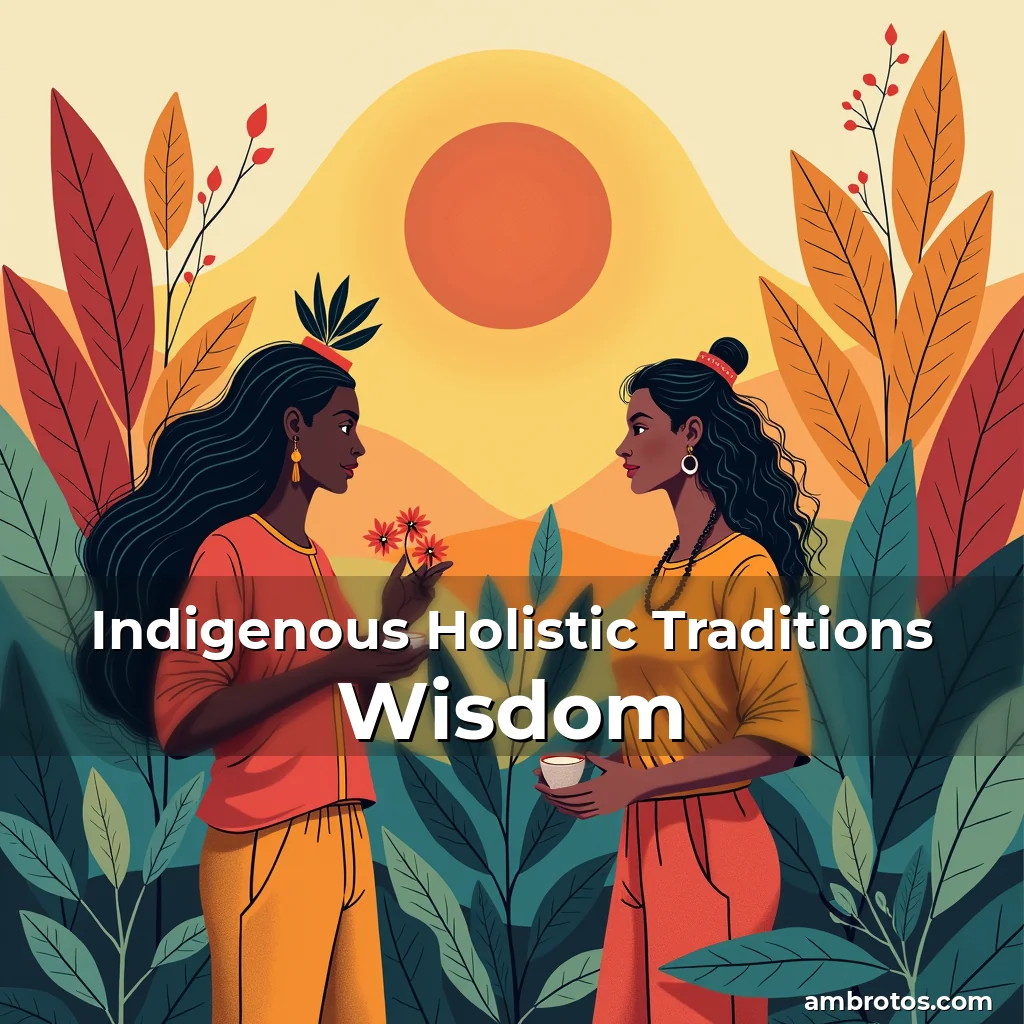
Indigenous Holistic Traditions Wisdom
Holistic traditions encompass centuries-old wisdom systems rooted in balance between mind, body, spirit, and environment. These time-honored practices, often passed down through generations, emphasize interconnectedness rather than isolated solutions.
The Ambrotos community seeks knowledge that bridges ancestral insight with modern life. This exploration delves into the rich tapestry of indigenous traditions, revealing pathways to authentic well-being and sustainable living.
Origins of Holistic Healing Practices
Cultural foundations shape every tradition’s evolution. Indigenous communities across Africa, Asia, and the Americas developed holistic frameworks long before modern medicine emerged. Their philosophies centered on restoring equilibrium within individuals and ecosystems alike.
Rituals often began with sacred ceremonies acknowledging spiritual forces. Healers combined herbal knowledge with meditative techniques, creating comprehensive approaches to physical and emotional ailments. Oral storytelling preserved these teachings until they reached wider audiences.
- Interconnected Systems: Traditional healers viewed symptoms as reflections of deeper imbalances affecting relationships and environments.
- Spiritual Integration: Many practices incorporated prayer, dance, or symbolic gestures to align human energy fields with universal rhythms.
Core Principles of Holistic Traditions
Maintaining inner harmony lies at the heart of these systems. Unlike reductionist models, holistic perspectives prioritize whole-person wellness over singular diagnoses. Balance becomes both goal and method.
Energetic alignment receives special emphasis. Practitioners believe blockages in qi (Chinese), prana (Indian), or mana (Pacific Islander) disrupt physiological processes. Techniques such as acupuncture or yoga aim to restore fluidity in these energy channels.
Historical Development Across Cultures
Early medical texts reveal fascinating parallels among civilizations. Ancient Egyptian scrolls describe treatments involving plant extracts alongside incantations. Ayurvedic manuscripts from India date back over three millennia, detailing dosha classifications similar to contemporary constitutional types.
Traditional Chinese Medicine documents show systematic categorizations of herbs based on thermal properties and energetic effects. Meanwhile, Aboriginal Australian Dreamtime stories encode ecological knowledge crucial for maintaining land health alongside personal vitality.
Healing Modalities Through Generations
Purification rites remain central to many traditions. Sweat lodges, cleansing baths, and fasting protocols help eliminate toxins while strengthening resolve. These practices often coincide with seasonal transitions marking renewal cycles.
Bone-setting techniques demonstrate remarkable understanding of musculoskeletal systems. African tribal healers employ manual realignment methods comparable to modern orthopedics, sometimes aided by herbal anti-inflammatory agents applied externally.
- Herbal Mastery: Knowledge of medicinal plants spans thousands of species worldwide. Amazonian shamans identify hundreds of rainforest botanicals with documented therapeutic benefits.
- Energetic Balancing: Tibetan Buddhist monks incorporate sound frequencies and mudras during healing sessions to recalibrate subtle bodily energies.
Psychological Dimensions in Holistic Practice
Emotional well-being occupies equal priority in traditional systems. Shamans, curanderos, and other practitioners view mental distress as physical manifestations requiring multidimensional treatment. Trauma resolution often involves narrative reprocessing through ritual performance.
Mind-body connection remains foundational. Breathwork techniques from various cultures induce altered states beneficial for processing grief or fear. Drumming circles provide rhythmic entrainment helping participants access subconscious layers of consciousness.
Contemporary Applications of Mental Health Practices
Modern psychology increasingly recognizes value in indigenous approaches. Studies confirm that culturally adapted therapies incorporating storytelling elements improve outcomes for trauma survivors. Narrative exposure therapy draws explicitly from oral tradition formats.
Research indicates mindfulness meditation enhances executive function by increasing grey matter density in prefrontal cortex regions. This validates traditional Buddhist practices now widely adopted in stress management programs worldwide.
Nutritional Wisdom in Holistic Traditions
Dietary guidelines vary significantly yet share common themes. Many cultures advocate seasonal eating aligned with lunar phases. Preparation methods emphasize preserving nutritional integrity through fermentation, steaming, or controlled cooking temperatures.
Fermented foods receive particular attention due to probiotic benefits. Korean kimchi, Japanese miso, and Ethiopian injera showcase diverse expressions of gut-friendly food preparation dating back centuries.
- Raw Food Traditions: Some societies maintain dietary restrictions promoting consumption of uncooked produce believed to retain maximal enzymatic activity.
- Food as Ritual: Sacred meals often involve ceremonial preparation reinforcing communal bonds while honoring agricultural cycles.
Physical Fitness in Ancient Systems
Movement regimens differ widely but all aim to harmonize internal energies. Tai chi, qigong, and yoga exemplify dynamic stillness combining postural control with breath regulation. These practices simultaneously build strength and enhance flexibility.
Tribal martial arts embody functional fitness optimized for survival contexts. Sambo from Russia, Capoeira from Brazil, and Kung Fu from China preserve combat skills while developing cardiovascular endurance and reflexes.
- Ayurvedic Exercise: Dinacharya routines integrate sun salutations with digestive fire stimulation, timed precisely according to solar positions.
- Kinetic Sculpting: Pre-Columbian stone carvings depict figures engaged in weight-bearing exercises suggesting early forms of resistance training.
Social Aspects of Holistic Living
Community interdependence defines many traditions. Shared responsibilities in agriculture, child-rearing, and conflict resolution reinforce social cohesion necessary for sustained well-being. Elders serve as custodians transmitting experiential knowledge across lifetimes.
Intergenerational learning persists despite globalization pressures. Inuit elders teach navigation skills essential for adapting to Arctic climate changes, merging ancestral wisdom with current scientific data for practical application.
Challenges Facing Contemporary Transmission
Urbanization threatens continuity of some traditions. Youth migration to cities reduces opportunities for immersive cultural education. However, digital platforms enable virtual transmission of certain practices through online workshops and instructional videos.
Linguistic erosion poses additional risks. When native languages decline, so does the specialized vocabulary required to accurately convey intricate healing concepts. Language revitalization initiatives help mitigate this loss.
Environmental Stewardship in Holistic Thinking
Eco-consciousness permeates nearly all traditional systems. Sustainable harvesting practices prevent resource depletion while respecting natural regeneration periods. Medicinal gathering follows strict ethical guidelines ensuring continued availability for future generations.
Land stewardship encompasses reciprocal relationships with ecosystems. Native American tribes practice controlled burns maintaining biodiversity, demonstrating sophisticated ecological management predating industrial science.
- Biodiversity Preservation: Shifting cultivation techniques allow forest recovery between planting seasons, supporting soil fertility cycles.
- Water Management: Indigenous irrigation networks efficiently distribute resources minimizing waste while protecting aquatic habitats.
Integration of Modern Science and Tradition
Scientific validation reinforces credibility of traditional practices. Phytochemical analysis confirms active compounds in medicinal plants once dismissed as mere folklore. Collaborative research continues uncovering synergistic interactions between natural substances.
Bioavailability studies explain why certain preparations enhance potency compared to raw materials alone. This knowledge guides formulation strategies maximizing therapeutic potential while minimizing side effects.
Ongoing Research Frontiers
Epigenetics research explores how lifestyle factors influence gene expression, validating traditional claims about mind-body connections. Findings suggest that meditative practices may alter DNA methylation patterns associated with disease susceptibility.
Nanotechnology innovations are enabling targeted delivery of herbal compounds, bridging ancient pharmacopeias with cutting-edge pharmaceutical sciences. This synthesis promises improved efficacy and reduced toxicity profiles.
Personal Application Strategies
Incorporating these principles requires mindful adaptation rather than rigid replication. Begin by identifying which aspects resonate personally, whether through dietary choices, movement routines, or community engagement efforts.
Create space for reflection by journaling experiences with new practices. Track progress through self-assessment tools measuring energy levels, sleep quality, and emotional resilience over time.
- Gradual Implementation: Start with small daily habits that align with your values instead of overwhelming yourself with complex systems.
- Cultural Sensitivity: Approach borrowed practices with respect for original sources, seeking guidance from qualified teachers whenever possible.
Future Directions for Holistic Practices
Global health crises highlight renewed interest in integrative approaches blending conventional and complementary medicines. Institutions increasingly recognize the necessity of treating patients holistically rather than fragmenting care.
Technological advancements facilitate remote access to traditional knowledge. Virtual reality simulations recreate ancestral healing environments, making them accessible even to urban dwellers unfamiliar with rural lifestyles.
Conclusion
This exploration has traced the enduring legacy of holistic traditions through historical development, core principles, and modern adaptations. These wisdom systems offer profound insights relevant to contemporary challenges facing global society.
To honor this heritage meaningfully, consider beginning with one aspect most compelling to you—from exploring local herbal lore to participating in community-based wellness projects. Your journey toward wholeness contributes to collective human flourishing.


news is a contributor at Ambrotos.com. We are committed to providing well-researched, accurate, and valuable content to our readers.
You May Also Like

Ayurvedic Harmonious Eating
Ayurvedic Harmonious Eating In the ancient Indian system of medicine known as Ayurveda, harmonious eating goes beyond mere nutrition—it's an...
Earth-Based Nutrition for Families
Earth-Based Nutrition for Families In an era where health-conscious choices shape our daily lives, earth-based nutrition stands out as a...
Organic Heritage Food Traditions
The Living Legacy of Organic Heritage Foods In an era where convenience often overshadows tradition, organic heritage foods stand as...

Natural Lifestyle Home Cleaning
Natural Lifestyle Home Cleaning: Embracing Eco-Friendly Living for Healthier Spaces In today’s fast-paced world, many individuals seek harmony between modern...