


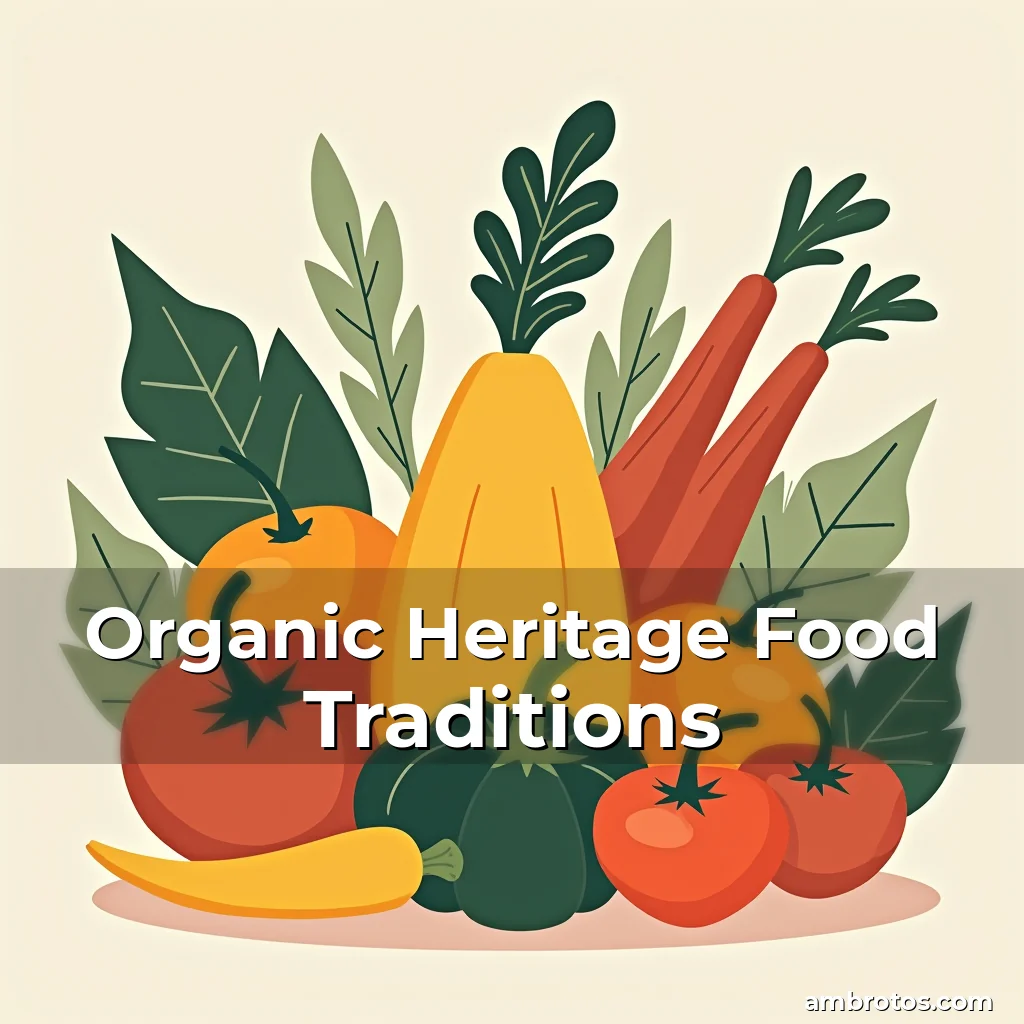
The Living Legacy of Organic Heritage Foods
In an era where convenience often overshadows tradition, organic heritage foods stand as vibrant testaments to our ancestors’ wisdom. These time-honored practices, passed down through generations, offer not only nourishment but also a deep connection to cultural identity.
From hand-ground grains to slow-cooked stews, these methods reflect centuries of knowledge refined by experience rather than modern technology. They preserve biodiversity while promoting sustainable living that aligns with natural cycles.
Cultivating Connection Through Traditional Farming
At the heart of organic heritage lies traditional farming techniques perfected over millennia. Indigenous communities across Africa have long practiced intercropping systems that enhance soil fertility naturally without synthetic inputs.
These ancient agricultural methods foster resilient ecosystems capable of withstanding climate fluctuations better than monoculture farms dependent on chemical fertilizers. Techniques such as crop rotation and companion planting maintain ecological balance while ensuring food security.
For example, the Three Sisters method used by Native American tribes combines corn, beans, and squash in a symbiotic relationship. This system provides mutual benefits including nitrogen fixation from legumes, structural support for climbing plants, and efficient use of space.
- Natural pest control: Many traditional farmers employ beneficial insects instead of pesticides, creating balanced microhabitats within their fields.
- Ethical animal husbandry: Pastoral communities raise livestock using rotational grazing patterns that prevent land degradation and promote regenerative grassland management.
By embracing these ancestral approaches, we honor both environmental stewardship and cultural preservation. Such practices are now being recognized globally as viable solutions to contemporary agricultural challenges.
Preserving Biodiversity Through Seed Saving
A critical aspect of organic heritage is seed saving traditions that safeguard genetic diversity. For centuries, farmers have selectively bred crops based on taste, resilience, and adaptability to local conditions.
This practice ensures continued access to heirloom varieties threatened by industrial agriculture’s push towards uniformity. Seeds saved through careful selection carry traits essential for thriving in specific climates and soils.
Tribal societies in South America, for instance, cultivate thousands of potato varieties each adapted to different altitudes and temperatures. This biodiversity serves as a vital buffer against pests, diseases, and changing weather patterns.
Modern seed banks play an important role in preserving these genetic treasures, but nothing replaces the intimate knowledge held by indigenous cultivators who understand which seeds perform best under particular circumstances.
The Role of Community Knowledge
Traditional seed-saving networks operate within close-knit communities where knowledge transfer occurs orally alongside practical demonstrations. Elders teach younger generations how to select, store, and plant seeds according to seasonal rhythms.
Such oral histories contain invaluable information about plant behavior, soil preparation, and harvesting times developed over hundreds of years. When combined with scientific research, these insights can lead to innovative agroecological solutions.
Studies show that regions maintaining strong seed-saving traditions exhibit greater agricultural resilience during extreme weather events compared to areas relying solely on commercial seed suppliers.
Encouraging grassroots initiatives that revive these customs helps protect global food sovereignty while empowering local populations to take charge of their own sustenance needs.
Artisanal Processing Methods That Define Flavor Profiles
Beyond cultivation, the way we process raw ingredients significantly impacts final flavors and nutritional value. Ancient milling techniques produce whole grain flours richer in fiber and micronutrients than commercially processed alternatives.
Molinos de piedra (stone mills) found throughout Latin America grind grains slowly at low temperatures, preserving enzymes and nutrients lost in high-speed roller milling processes common today.
Southeast Asian countries still use traditional rice pounding methods involving wooden mortars and pestles, resulting in textured pastes perfect for making sticky rice cakes and other regional specialties.
Similarly, artisan cheese makers employing age-old curdling methods yield products with complex flavor profiles unattainable through mass production techniques reliant on standardized cultures and accelerants.
These hands-on processing techniques require skill honed over decades yet remain largely unrecognized in mainstream narratives about food history and innovation.
The Cultural Significance of Seasonal Eating
Many traditional cuisines revolve around seasonality, emphasizing locally available ingredients harvested at peak ripeness. This approach reduces reliance on energy-intensive transportation networks required for out-of-season produce.
Festivals celebrating harvest seasons serve dual purposes: they reinforce communal bonds while honoring nature’s bounty through shared meals and rituals. In Mediterranean cultures, olive oil festivals coincide with annual pressings highlighting regional varietals.
Korean Jeongwoldae celebrations mark the first snowfall with feasts featuring preserved vegetables and fermented fish sauces made following precise timing protocols. These customs ensure optimal fermentation results crucial for distinctive umami development.
Adhering to seasonal eating patterns supports local economies by directing demand toward nearby producers rather than distant supply chains vulnerable to geopolitical disruptions.
Heirloom Recipes As Living Histories
Family recipes handed down through generations encapsulate not just cooking instructions but entire worldviews shaped by historical experiences. Ingredients chosen often reflect resource availability dictated by geography and socio-political contexts.
The use of wild herbs collected from forests indicates a deep understanding of medicinal properties and ecological relationships beyond mere culinary applications.
Recipes containing rare spices might signify trade routes once central to economic life, revealing connections between disparate cultures through shared gastronomy.
Dishes prepared using fire pits constructed from local materials demonstrate ingenuity in utilizing surroundings creatively when resources were limited.
Analyzing these culinary artifacts offers historians fascinating glimpses into migration patterns, technological advancements, and social hierarchies influencing dietary choices throughout human civilization.
Reviving Forgotten Skills In Modern Kitchens
As awareness grows regarding health implications of highly processed foods, there has been renewed interest in mastering forgotten culinary arts. Learning to ferment vegetables without preservatives or bake bread using sourdough starters reclaims agency over what enters our bodies daily.
Workshops teaching open-fire cooking techniques enable participants to appreciate how heat distribution affects ingredient transformation differently than conventional ovens.
Relearning skills like making nut-based cheeses or extracting oils manually connects individuals physically with their food sources, fostering appreciation for labor involved in food production.
Urban homesteading movements encourage city dwellers to grow small gardens even on balconies, cultivating personal relationships with edible plants through direct interaction rather than supermarket purchases.
These revival efforts create bridges between past knowledge systems and present-day realities, allowing meaningful integration of ancestral wisdom into everyday life choices.
Educational Initiatives Preserving Culinary Legacies
School programs incorporating traditional food studies help students develop holistic understandings of nutrition rooted in cultural context rather than reductionist nutrient analysis alone.
Growing up surrounded by stories behind family dishes instills respect for sustainability principles embedded in ancestral practices, such as minimizing waste through creative reuse of scraps.
Collaborations between chefs and ethnobotanists result in menus showcasing native plants previously overlooked by mainstream cuisine, expanding palates while supporting conservation efforts.
Documentary projects capturing elders sharing their expertise provide lasting records accessible to future generations seeking guidance on authentic preparation methods.
Virtual platforms facilitate cross-cultural exchanges enabling learners worldwide to engage with diverse food traditions without geographical limitations.
Challenges Facing Organic Heritage Practices Today
Rapid urbanization threatens many traditional foodways by displacing communities whose livelihoods depend on ancestral knowledge systems. Younger generations often pursue education and employment opportunities located far from rural origins.
Industrialized food markets prioritize efficiency over authenticity, pushing consumers toward standardization that diminishes variety and weakens ties to place-specific identities formed through distinct diets.
Lack of legal protections leaves indigenous seed varieties vulnerable to appropriation by biotechnology corporations patenting genetically modified versions derived from original strains.
Climate change disrupts established growing seasons, forcing adaptation strategies that may conflict with deeply ingrained customs maintained for centuries without significant alteration.
Addressing these issues requires coordinated action spanning policy reform, educational outreach, and financial incentives supporting small-scale producers practicing environmentally responsible methods.
Building Sustainable Futures From Ancestral Wisdom
Embracing organic heritage isn’t merely about nostalgia; it represents a proactive choice to invest in healthier environments and stronger communities. By valuing traditional knowledge, we gain tools necessary for navigating current crises facing global food systems.
Supporting local food economies through conscious consumer decisions strengthens regional self-sufficiency and promotes ethical business models prioritizing quality over quantity.
Advocating for policies that recognize and protect indigenous intellectual property rights safeguards the integrity of time-tested agricultural innovations from exploitation by external entities.
Promoting intergenerational dialogue fosters mutual learning between older custodians of knowledge and young innovators eager to apply ancestral teachings creatively within modern frameworks.
Ultimately, nurturing organic heritage becomes a collective responsibility requiring sustained commitment from individuals, institutions, and governments alike to ensure its survival and evolution in harmony with emerging challenges.
Conclusion
Organic heritage foods represent much more than nostalgic relics of the past—they embody dynamic living traditions continuously evolving through active participation and reinterpretation.
By integrating these practices into contemporary lifestyles, we forge pathways leading toward more equitable, resilient, and culturally rich food futures grounded in respect for both people and planet.


news is a contributor at Ambrotos.com. We are committed to providing well-researched, accurate, and valuable content to our readers.
You May Also Like


Botanical Discoveries in Skincare
Revolutionizing Skin Health Through Botanical Innovation In the ever-evolving landscape of skincare, botanical discoveries have emerged as game-changers, blending centuries-old...
Seasonal Nourishing Rituals
The Art of Seasonal Nourishment: Honoring Nature's Rhythms through Ambrotos Traditions In an age where convenience often overshadows connection, the...

Plant-Powered Living Health Benefits
Dietary Foundations of Sustainable Energy Understanding macronutrient distribution becomes pivotal when building a balanced plant-based diet. Carbohydrates from complex sources...
Cultural Holistic Traditions Worldwide
Cultural Holistic Traditions Worldwide Holistic traditions encompass ancient practices that promote physical, mental, emotional, and spiritual well-being through interconnected approaches....