


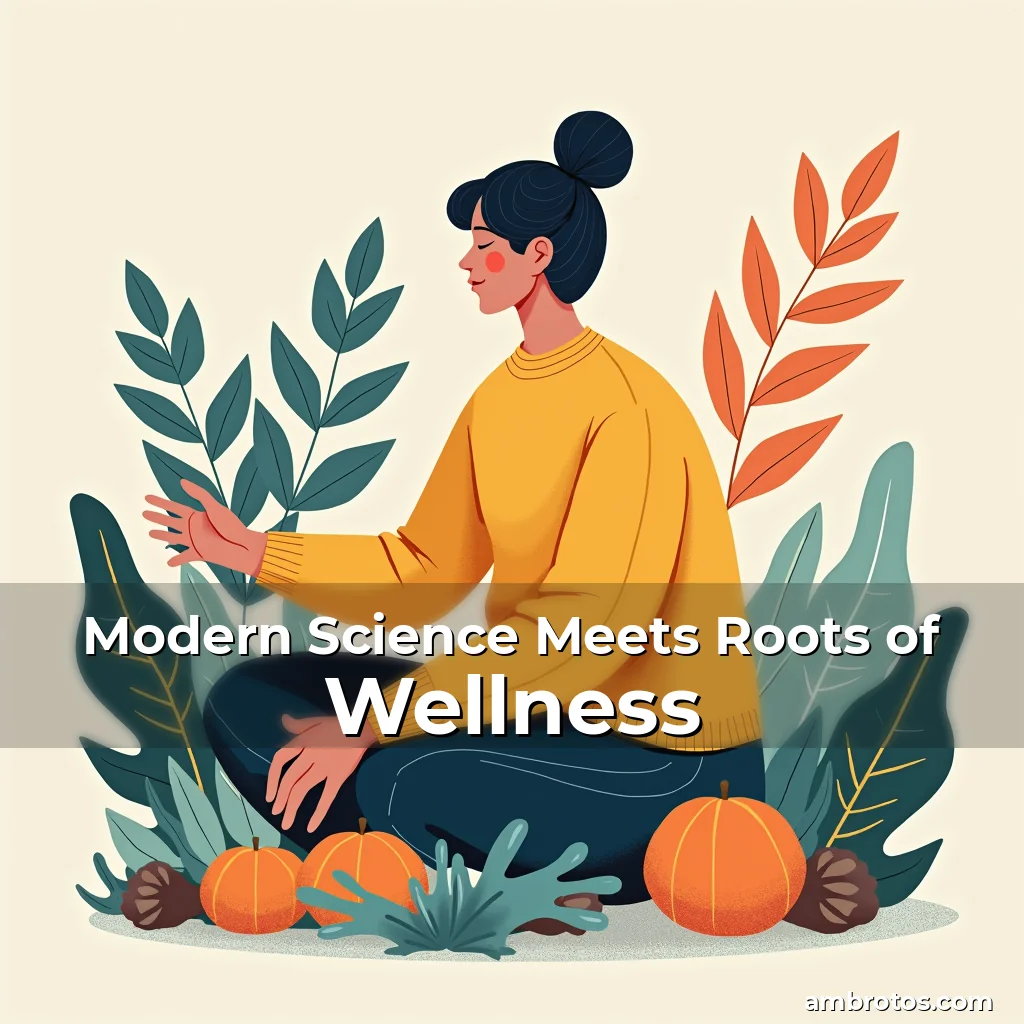
Modern Science Meets Roots of Wellness
In an era where modern life often pulls us away from our ancestral ways, understanding the roots of wellness becomes essential. The Ambrotos Community recognizes that true health is not merely the absence of disease but a vibrant interplay between mind, body, and environment.
This exploration delves into ancient practices and scientific evidence supporting their relevance today. It reveals how honoring these foundational elements can lead to profound transformations in individual well-being.
The Historical Tapestry of Wellness Practices
Civilizations across millennia have woven intricate narratives around health and healing. From Ayurveda’s balance of doshas to traditional Chinese medicine’s yin-yang theory, each culture has developed systems rooted in observation and experience.
These historical frameworks emphasize harmony within nature and self. They offer perspectives that resonate deeply with contemporary challenges related to mental stress, environmental degradation, and lifestyle disorders.
The wisdom embedded in these traditions provides guidance for navigating complex health issues without relying solely on pharmaceutical solutions.
Mindfulness as an Ancestral Practice
Contemporary mindfulness techniques trace their lineage back thousands of years. Ancient meditation practices were designed to cultivate inner peace and enhance cognitive clarity through structured breathing exercises and focused attention.
Sanskrit texts such as Patanjali’s Yoga Sutras outline methods for controlling the mind, which align closely with current neuroscience findings on brain plasticity and emotional regulation.
Scientific studies affirm that regular mindfulness practice reduces cortisol levels and improves sleep quality by activating parasympathetic nervous system responses.
Integrating mindful awareness into daily routines fosters resilience against chronic stressors present in modern society.
Nourishment Through Ancestral Diets
Foods consumed by our ancestors provided necessary nutrients while avoiding processed ingredients that contribute to inflammation and metabolic syndrome. Whole foods rich in fiber, omega-3s, and antioxidants form the basis of many traditional diets.
Cultures worldwide have long understood seasonal eating patterns that support optimal digestion and immunity. These approaches prioritize local produce aligned with natural rhythms rather than artificial agricultural cycles.
Examples include:
- Japanese cuisine emphasizing fermented products like natto for gut microbiome diversity
- Native American diets incorporating wild game and foraged plants high in phytonutrients
- Meditteranean-style meals featuring olive oil, legumes, and fresh vegetables
Reconnecting with ancestral dietary habits may reduce risks associated with Western diet-related illnesses while enhancing overall vitality.
Physical Activity Rooted in Nature
Traditional societies engaged in physical movement as part of survival and communal activities. Hunting, gathering, and farming required constant motion that naturally supported cardiovascular health and muscular strength.
Modern sedentary lifestyles contrast sharply with these active living models. Incorporating nature-based exercise such as hiking or yoga outdoors revitalizes both body and spirit by reconnecting individuals with their environments.
Research indicates that outdoor physical activity increases vitamin D synthesis and exposure to beneficial microbes found in soil and plant matter.
This dual benefit of sun protection and microbial therapy offers compelling reasons to embrace nature-centered fitness regimens.
The Role of Social Connection in Wellbeing
Humans are inherently social creatures whose evolutionary history reflects deep reliance on group dynamics. Strong interpersonal relationships served critical functions in ensuring safety, cooperation, and knowledge transmission across generations.
Oxytocin release during positive interactions strengthens neural pathways linked to trust and empathy, fostering psychological resilience against isolation-induced anxiety and depression symptoms.
Community involvement continues to be vital for maintaining motivation towards healthy behaviors. Support networks encourage accountability and provide practical assistance when pursuing wellness goals.
Elderly populations particularly benefit from sustained social engagement, which delays cognitive decline and promotes emotional stability.
Rituals and Ceremonies as Healing Mechanisms
Cultural rituals serve as powerful tools for processing emotions, marking significant life transitions, and reinforcing collective identity. These ceremonies create spaces for introspection, gratitude expression, and spiritual connection.
From Indigenous sweat lodges to Buddhist meditation retreats, various cultures employ symbolic acts that promote mental purification and renewal processes.
Participating in meaningful rites of passage allows individuals to reframe personal struggles within broader existential contexts, facilitating deeper self-understanding and growth opportunities.
Incorporating ritualistic elements into everyday life helps establish rhythm and intentionality that supports consistent wellness efforts over time.
The Science Behind Ancient Remedies
Many herbal treatments used historically contain bioactive compounds validated by modern pharmacological research. For example, turmeric’s curcumin demonstrates anti-inflammatory properties comparable to conventional medications without severe side effects.
Lavender essential oils exhibit calming effects through aromatic compounds interacting with olfactory receptors connected to limbic brain regions responsible for emotion regulation.
Studies comparing placebo-controlled trials show statistically significant improvements in mood states among participants using aromatherapy interventions regularly.
These findings highlight potential synergies between empirical tradition and evidence-based science in developing holistic healthcare strategies.
Balancing Tradition With Contemporary Needs
While respecting cultural heritage remains crucial, adapting traditional wellness principles requires thoughtful consideration of evolving societal demands. Urban dwellers face different environmental pressures compared to rural communities practicing subsistence agriculture.
Tailoring ancestral advice to modern contexts involves creative problem-solving while preserving core values promoting sustainable living and ecological responsibility.
Digital technology enables remote access to global wellness resources yet also introduces screen-time dependencies detrimental to eye health and sleep quality patterns.
Striking equilibrium means integrating beneficial aspects of both worlds without losing sight of what truly nourishes human existence at its most fundamental level.
Embarking on Your Personal Journey Toward Holistic Health
To begin exploring your own path toward integrative wellness, start by identifying areas of life requiring greater alignment with nature-based rhythms and supportive social structures.
Audit your daily routine for opportunities replacing unhealthy habits with conscious choices reflecting ancestral wisdom combined with current medical understandings.
Create personalized wellness plans incorporating elements like nutritional adjustments based on blood type compatibility theories alongside scientifically substantiated dietary guidelines.
Engage actively within supportive communities offering shared experiences and collaborative learning environments conducive to long-term success metrics measuring real-world outcomes beyond temporary fixes.
Conclusion
The convergence of ancient knowledge and modern discoveries presents remarkable possibilities for achieving lasting wellness transformation. By embracing timeless principles tailored appropriately to twenty-first-century realities, we unlock paths leading toward enhanced vitality and fulfillment.
Remember, cultivating enduring health involves continuous learning journeys where curiosity drives progress along uniquely crafted roads shaped by informed decisions made thoughtfully each day.


news is a contributor at Ambrotos.com. We are committed to providing well-researched, accurate, and valuable content to our readers.
You May Also Like

Advanced Botanical Discoveries Techniques and Methods
The Hidden Gardens of Discovery: Unearthing Nature's Secrets Through Botanical Exploration In an age where technology often overshadows nature’s wonders,...

Integrating Holistic Traditions Daily
Integrating Holistic Traditions Daily Holistic traditions encompass a vast array of philosophies and practices aimed at harmonizing the physical, emotional,...
Botanical Discoveries in Nutrition
The Hidden Power of Botanicals in Modern Nutrition In an era where science meets nature, botanical discoveries are reshaping our...
Ayurvedic Ancient Botanical Blends
Ayurvedic Ancient Botanical Blends: A Journey Through Time and Tradition In the heart of ancient civilizations, where wisdom was intertwined...