


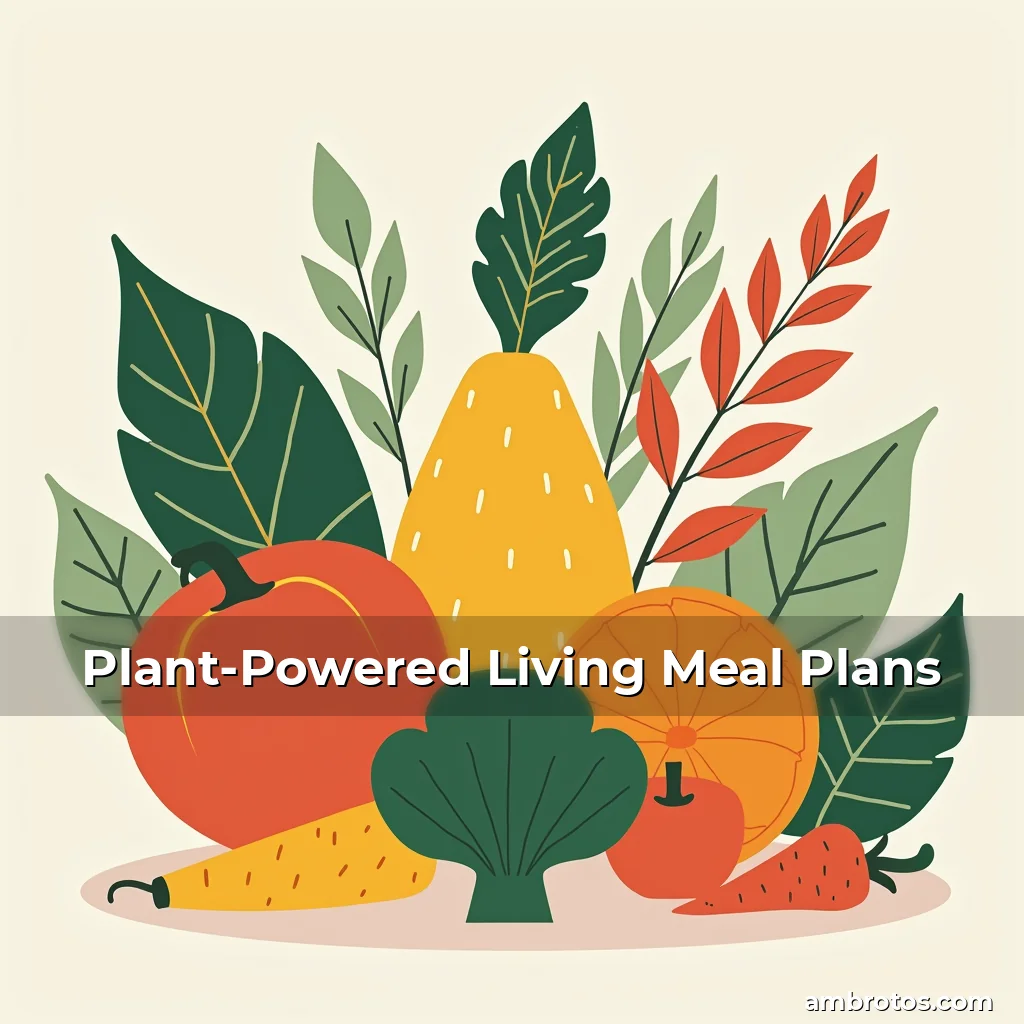
The Ultimate Guide to Plant-Powered Living: Nourishing Your Body with Nature’s Bounty
In recent years, plant-powered living has emerged as a powerful movement transforming how people approach nutrition, sustainability, and overall well-being. This lifestyle emphasizes consuming whole, minimally processed foods derived from plants—fruits, vegetables, grains, legumes, nuts, and seeds—to achieve optimal health while reducing environmental impact.
As awareness grows around the benefits of reducing animal product consumption, individuals are seeking practical ways to incorporate more plant-based meals into their daily routines without compromising flavor or satisfaction. This guide provides essential strategies, meal ideas, and resources tailored specifically for those embracing a plant-powered lifestyle.
Understanding the Foundations of Plant-Powered Eating
At its core, plant-powered eating prioritizes nutrient-dense plant foods over heavily processed alternatives often found in modern diets. This doesn’t mean eliminating all animal products entirely but rather significantly increasing the proportion of plant-derived ingredients in everyday meals.
A key principle involves incorporating a wide variety of colors, textures, and flavors through different fruits and vegetables. For example, leafy greens provide essential vitamins A and K, while vibrant orange produce like carrots offers beta-carotene and antioxidants beneficial for eye health.
- Variety: Consuming diverse plant sources ensures a broader range of nutrients, including fiber, phytochemicals, and micronutrients vital for long-term health.
- Fiber Intake: Whole plant foods naturally contain dietary fiber which supports digestive health, regulates blood sugar levels, and promotes satiety.
It’s also crucial to consider protein sources beyond meat. Legumes such as lentils and chickpeas offer high-quality proteins along with iron and folate. Additionally, quinoa stands out as a complete protein containing all nine essential amino acids.
Nuts and seeds contribute healthy fats necessary for brain function and hormone production. Incorporating them regularly helps maintain cardiovascular health while adding richness to dishes ranging from salads to baked goods.
Designing Balanced Plant-Based Meals
Crafting balanced meals requires thoughtful combinations that address macronutrient needs—protein, carbohydrates, and fats—as well as micronutrient requirements such as calcium, vitamin B12, and omega-3 fatty acids.
To ensure adequate intake of these essential elements, plan each meal with at least two primary food groups. Pairing whole grains like brown rice or farro with lean plant proteins such as tofu or tempeh creates satisfying combinations rich in both complex carbohydrates and protein.
Diversity in Food Choices
Consumers aiming for a robust diet benefit immensely from exploring global cuisines known for their plant-forward approaches. Mediterranean cuisine highlights olive oil, legumes, fresh herbs, and seasonal produce; Indian fare frequently features lentil stews paired with whole grain breads made from wheat or millet.
Ethiopian injera—a spongy flatbread crafted from teff flour—pairs perfectly with spiced vegetable curries, showcasing how culturally rich traditions can enhance nutritional diversity simultaneously.
Engaging with international recipes not only introduces new flavors but also fosters appreciation for how various cultures have historically thrived on predominantly plant-based diets.
By integrating traditional methods alongside contemporary innovations, individuals can discover creative ways to enjoy nutritious yet flavorful meals every day.
Navigating Common Nutritional Concerns
Transitioning fully or partially toward a plant-powered lifestyle might raise concerns regarding certain nutrient deficiencies traditionally associated with animal products. However, strategic planning makes meeting these requirements achievable even within vegetarian or vegan frameworks.
B12 deficiency remains a notable issue due to its absence in most non-animal sources. Fortified plant milks, nutritional yeast flakes, and supplements serve effective solutions when monitored appropriately under medical guidance if required.
Calcium absorption becomes another focal area since plant sources differ significantly compared to dairy counterparts. Including fortified plant yogurts and tofu set in calcium sulfate enhances bioavailability effectively.
Omega-3 fatty acid intake receives attention too. Flaxseeds, chia seeds, walnuts, and algae-based oils supply ALA forms although conversion efficiency varies among individuals necessitating mindful incorporation or supplementation where appropriate.
With careful attention paid to these factors, maintaining good health aligns seamlessly with enjoying deliciously varied plant-centered meals.
Meal Planning Strategies for Success
Successful implementation hinges upon structured yet flexible planning techniques designed to simplify weekly grocery shopping and minimize last-minute unhealthy choices during busy days.
One efficient method involves preparing staple items ahead of time—such as chopping fresh veggies, soaking beans overnight, or making bulk batches of grain bowls—which reduces cooking stress considerably later on.
Scheduling regular “prep nights” dedicated solely towards readying components for upcoming week’s lunches enables greater consistency across meal times without feeling overwhelmed or rushed.
Keeping inventory logs of pantry staples allows easier identification gaps needing restocking before they become problematic obstacles mid-week amidst unexpected schedule changes.
Technology integration proves invaluable here; numerous apps track expiration dates automatically while suggesting recipes matching current ingredient availability thereby optimizing usage before spoilage occurs.
Additionally, investing quality storage containers facilitates organized arrangement minimizing wasted effort spent searching randomly throughout cabinets trying locate particular items quickly.
Leveraging Seasonal Ingredients Effectively
Tapping into seasonal offerings enriches culinary experiences dramatically while supporting local agriculture networks simultaneously decreasing carbon footprint related transportation logistics involved moving perishables globally.
Springtime heralds arrival of tender asparagus spears perfect grilled lightly then tossed with lemon vinaigrette over mixed greens base creating refreshing salad option ideal beginning any meal.
Summer months bring bounty ripe berries bursting with natural sweetness suitable eaten plain sprinkled atop oatmeal or blended into smoothies providing quick energy boost post-workout sessions.
Autumn delivers heartier squash varieties ideal roasted alongside herbs infused olive oil offering comforting warmth perfect complementing cooler weather conditions prevalent then.
Winter season presents opportunity utilizing root vegetables stored readily available making hearty soups stews excellent choice keeping body warm plus delivering essential nutrients needed combating seasonal illnesses more commonly encountered during colder months.
Seasonality guides not merely taste preferences alone however influences nutritional value itself because produce harvested closer harvest time retains higher concentration active compounds beneficial human physiology compared specimens transported longer distances losing freshness vitality gradually.
Thus understanding what’s locally abundant encourages experimentation devising innovative dishes reflecting regional specialties further deepening connection nature environment we inhabit daily.
Building Community Through Shared Experiences
Creating connections centered around shared interest fostering supportive ecosystem where members exchange knowledge encourage one another remain committed healthier lifestyles.
Local meetup groups frequently organize potlucks communal dinners allowing participants learn prepare cook recipes together strengthening bonds formed collaborative efforts working towards common goal enhancing wellness collectively.
Online platforms facilitate virtual exchanges sharing photographs progress tracking milestones achieved reinforcing positive feedback loops motivating continued participation ongoing journey self-improvement.
Participation workshops teach skills such fermenting preserving extending shelf life edibles simultaneously cultivating deeper understanding preservation techniques passed down generations previously practiced widely now largely forgotten industrialized societies today.
These interactions nurture sense belonging reminding everyone they aren’t navigating path solo instead surrounded network encouragement support whenever challenges arise inevitably encountered adopting change behaviors entrenched deeply many lifelong habits developed prior transition undertaken.
The Role of Mindful Consumption in Sustainability Efforts
Mindfulness extends beyond mere selection purchasing decisions influencing conscious engagement entire lifecycle consumed items ultimately contributing planet’s ecological balance maintenance.
Opting for organic certified options diminishes exposure pesticides herbicides potentially harmful long term health outcomes furthermore promoting regenerative farming practices restoring soil fertility ecosystems affected conventional monoculture operations extensively damaging biodiversity rates already critically low globally speaking currently.
Prioritizing sustainably sourced seafood when applicable ensures responsible harvesting standards upheld preventing depletion aquatic populations impacting marine environments negatively otherwise.
Reducing single-use plastics packaging opting reusable alternatives reduces landfill accumulation lessens pollution entering oceans harming wildlife species dependent clean water bodies赖以生存。
Adopting minimalist mindset evaluates necessity acquiring additional belongings reducing waste generated subsequently discarded unnecessarily leading clutter unnecessary expenditure resources better allocated other pressing matters deserving attention immediate action taken.
This holistic approach transforms individual actions collective force driving meaningful differences world at large demonstrating power small conscious choices exponentially compounding effects positively reverberating communities everywhere thriving harmoniously future ahead us all share.
Embracing mindfulness therefore becomes integral component successful transition embracing plant powered living philosophy ensuring sustainable coexistence between humans Earth entrusted guardianship bestowed upon us universally accepted moral obligation facing present generation squarely.
Conclusion
The shift toward plant-powered living represents much more than a simple dietary adjustment—it signifies profound transformation embracing values rooted compassion respect interdependence connecting personal health planetary well-being intrinsically linked concepts inseparable from one another.
By implementing thoughtfully planned meal structures focusing diversity nutrient density combined mindful consumer behavior patterns contributes significantly improving quality life enjoyed personally benefits rippling outward affecting wider society positively through reduced strain natural systems increasingly strained unsustainable exploitation carried forward unchecked previously.
Whether choosing gradual incremental steps full immersion commitment residing somewhere spectrum between extremes possibilities limitless provided willingness explore discover endless opportunities awaiting discovery redefining relationship nourishment source strength true harmony exists when cultivated wisely honored genuinely.


news is a contributor at Ambrotos.com. We are committed to providing well-researched, accurate, and valuable content to our readers.
You May Also Like


Cultural Nourishing Rituals Traditions
The Sacred Art of Nourishment: Exploring Cultural Nourishing Rituals Across Time and Tradition In every corner of the world, from...

Simple Nourishing Rituals for Busy Lives
The Ancient Art of Nourishing Rituals: Cultivating Wellness Through Mindful Eating Practices In an era dominated by fast food culture...

Nourishing Rituals for Self-Care
The Sacred Art of Nourishing Rituals: Cultivating Holistic Well-being Through Mindful Practices In today's fast-paced world, nourishing rituals have emerged...
Understanding the Essence of Nourishing Rituals
The Sacred Art of Nourishment: Cultivating Harmony Through Ambrotos Rituals In an era where modern life often prioritizes speed over...