


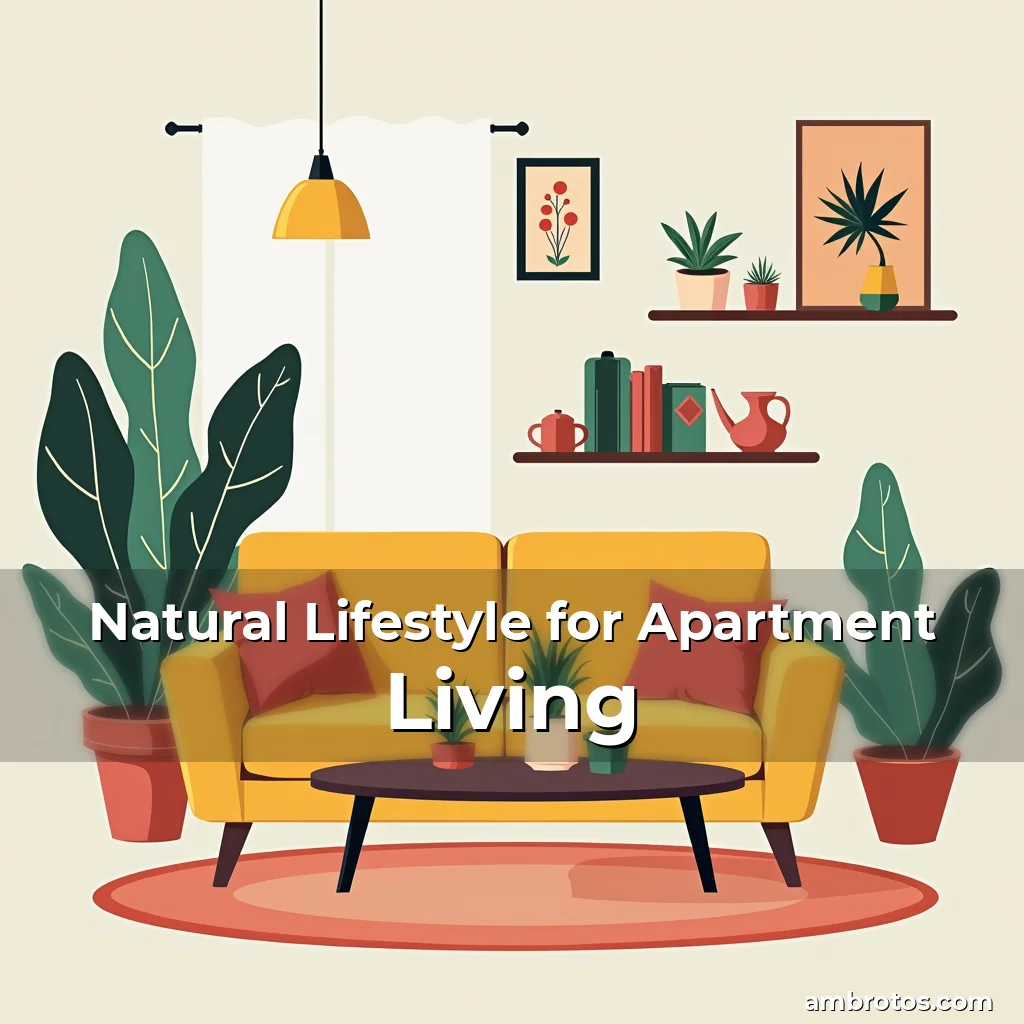
The Natural Lifestyle Revolution: Embracing Harmony at Home and Beyond
In an era where convenience often overshadows well-being, the natural lifestyle is emerging as a powerful movement that invites individuals to reconnect with nature while thriving within urban environments. This philosophy champions sustainability, holistic health practices, and mindful living, offering a refreshing alternative to fast-paced modern life.
Making the shift toward a natural lifestyle doesn’t require leaving behind city comforts; instead, it involves cultivating awareness and making intentional choices that align with ecological principles and personal wellness goals. From simple daily rituals to transformative long-term habits, this approach empowers people to live authentically without compromising their quality of life.
Cultivating Green Spaces Within Urban Settings
Creating pockets of greenery in apartments has become a vital practice for those embracing a natural lifestyle. Even limited space can be transformed through vertical gardens, hanging planters, and carefully selected indoor flora that thrive indoors year-round.
Choosing native plants adapted to local climates ensures lower maintenance needs while supporting biodiversity. These living walls not only purify air but also contribute to mental well-being by reducing stress and improving mood through exposure to nature’s calming effects.
Bamboo plants are excellent choices due to their rapid growth rate and minimal care requirements. Snake plants and ZZ plants demonstrate remarkable resilience in low-light conditions, making them ideal for apartment dwellers seeking easy-to-care-for options.
- Vertical gardening systems: Utilize wall-mounted planters to maximize small spaces while adding visual interest and oxygen-producing benefits.
- Self-watering containers: Reduce watering frequency with innovative designs that maintain optimal moisture levels automatically.
- Succulent arrangements: Combine drought-tolerant species in creative displays that require infrequent attention yet add vibrant texture to interiors.
Integrating biophilic design elements enhances these efforts further. Incorporating natural materials like wood, stone, and rattan into furniture selections creates cohesive ecosystems that reinforce connections between inhabitants and their surroundings.
Research indicates that proximity to green spaces can decrease cortisol levels by up to 30%, reinforcing the therapeutic value of maintaining indoor vegetation regardless of outdoor accessibility.
Nourishing Bodies Through Organic Choices
A cornerstone of the natural lifestyle revolves around conscious food selection. Prioritizing organic produce minimizes exposure to synthetic pesticides and fertilizers while supporting sustainable agricultural practices.
Farmers’ markets offer direct access to locally grown foods harvested at peak ripeness, ensuring superior nutritional value compared to supermarket offerings that may have traveled thousands of miles before reaching shelves.
Home composting transforms kitchen scraps into nutrient-rich soil amendments, closing the loop on waste production while enriching garden beds naturally. Vermicomposting with red wigglers presents an efficient method even in compact spaces.
Eco-conscious consumers seek out certified organic labels from reputable organizations such as USDA Organic or EU Organic, which guarantee rigorous standards for pesticide use and farming methods.
Seasonal eating patterns align with nature’s rhythms, promoting both physical health and environmental responsibility by reducing carbon footprints associated with imported goods.
Purifying Air and Water Naturally
Improving indoor air quality forms another essential pillar of the natural lifestyle. Houseplants serve dual purposes as aesthetic features and natural air filters, removing common toxins like formaldehyde and benzene from circulation.
Installing whole-house water filtration systems provides ongoing protection against contaminants found in municipal supplies. These systems employ multi-stage purification processes including activated charcoal and reverse osmosis technologies.
DIY water filters using coconut husk charcoal and ceramic cartridges represent cost-effective alternatives for budget-conscious households aiming to reduce plastic bottle usage significantly.
Regular maintenance routines ensure continued effectiveness, requiring filter replacements every six months based on manufacturer guidelines and household consumption rates.
Combined approaches yield optimal results – pairing botanical air purification with mechanical water filtration creates synergistic benefits for overall environmental health within homes.
Embracing Sustainable Energy Practices
Transitioning towards renewable energy sources marks a significant step in adopting a truly natural lifestyle. Solar power installations provide clean electricity generation capabilities tailored to individual needs and budgets.
Energy-efficient LED lighting consumes less than half the wattage of traditional incandescent bulbs while lasting up to 25 times longer, dramatically cutting replacement costs over time.
Smart thermostats learn occupancy patterns to optimize heating and cooling schedules, minimizing wasted energy during unoccupied hours while maintaining comfortable temperatures.
Passive solar design strategies incorporate strategic window placement and thermal mass materials to regulate interior temperatures naturally, reducing reliance on artificial climate control systems.
Investing in energy audits helps identify areas for improvement, revealing opportunities to enhance insulation, seal leaks, and upgrade outdated appliances contributing unnecessarily to utility bills.
Fostering Mindful Consumption Habits
The natural lifestyle encourages deliberate purchasing decisions focused on durability, functionality, and ethical sourcing rather than fleeting trends. Quality craftsmanship becomes a priority when selecting clothing, electronics, and home furnishings.
Thrift shopping and secondhand marketplaces extend product lifecycles while diverting items from landfills. Vintage finds often carry unique character absent from mass-produced goods.
Repair services gain renewed importance as communities embrace the idea of fixing rather than replacing broken items. Skill-sharing workshops teach basic maintenance techniques empowering individuals to handle minor repairs independently.
Minimalist philosophies challenge conventional notions of consumerism, emphasizing experiences over possessions and valuing simplicity in material pursuits.
Conscious consumption extends beyond products to include digital media consumption habits, advocating for curated information diets that avoid informational overload and promote mental clarity.
Building Community Connections
Thriving natural lifestyles flourish best within supportive networks. Joining neighborhood gardening groups fosters knowledge exchange and shared resources among like-minded individuals.
Community-supported agriculture programs enable participants to invest directly in local farms, receiving fresh harvests in return while strengthening regional food economies.
Workshops on topics ranging from herbal medicine to zero-waste cooking create educational opportunities that benefit entire communities simultaneously.
Cooperative models allow residents to pool resources for bulk purchases of eco-friendly products, negotiating better prices while reducing packaging waste from individual transactions.
Digital platforms facilitate virtual meetups and resource sharing, connecting enthusiasts across geographical boundaries who share similar values despite differing locations.
Enhancing Mental Wellness Through Nature Engagement
Direct interaction with natural environments profoundly impacts psychological well-being. Regular walks through nearby parks stimulate creativity and problem-solving abilities by exposing brains to novel stimuli.
Forest bathing – or shinrin-yoku – practiced extensively in Japan demonstrates measurable reductions in blood pressure and anxiety symptoms after brief immersion in forested settings.
Gardening activities combine physical exertion with mindfulness, providing meditative states that help manage stress effectively while producing tangible rewards through cultivated harvests.
Even short periods spent outdoors prove beneficial, with studies showing improved concentration spans and enhanced emotional regulation following exposure to green spaces.
Incorporating nature sounds and visuals into indoor environments replicates some benefits when full immersion isn’t possible, utilizing recordings of birdsong or displaying nature photographs strategically placed throughout living areas.
Conclusion
The journey toward a natural lifestyle offers numerous pathways tailored to individual circumstances and preferences. Whether starting with small changes or embarking on complete transformations, each step contributes positively to personal well-being and planetary health.
By integrating elements discussed throughout this exploration – from greening urban spaces to fostering meaningful connections – readers possess practical tools to cultivate fulfilling lives aligned with natural rhythms without sacrificing comfort or convenience.
“`


news is a contributor at Ambrotos.com. We are committed to providing well-researched, accurate, and valuable content to our readers.
You May Also Like

Simple Nourishing Rituals for Busy Lives
The Ancient Art of Nourishing Rituals: Cultivating Wellness Through Mindful Eating Practices In an era dominated by fast food culture...

Family Harmonious Eating Practices
The Art of Harmonious Eating: Cultivating Balance at the Table In an era where fast food culture dominates and mealtime...
Creating Personal Nourishing Rituals
Cultivating Wholeness Through Daily Nourishment Practices The concept of nourishing rituals extends beyond mere consumption; it encompasses deliberate actions that...
The Resurgence of Botanical Discoveries: Unearthing Nature’s Hidden Treasures
The Resurgence of Botanical Discoveries: Unearthing Nature’s Hidden Treasures In an era where technology dominates our daily lives, there is...