


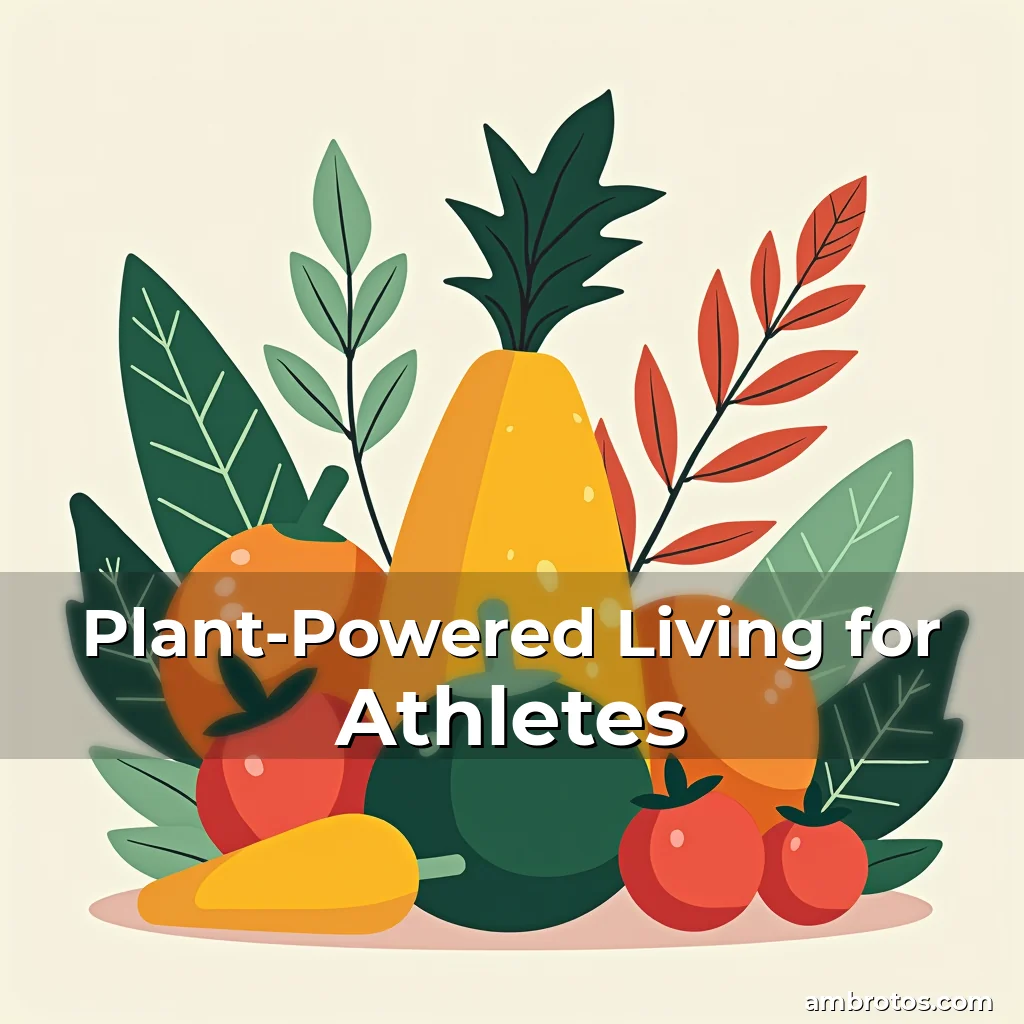
Transform Your Life with Plant-Powered Nutrition
In an era where health-conscious choices are becoming increasingly vital, plant-powered living has emerged as a transformative lifestyle that offers numerous benefits for both the body and mind. This approach emphasizes consuming whole foods from plants, which not only supports physical well-being but also promotes environmental sustainability.
The journey toward plant-powered nutrition begins with understanding what constitutes a balanced diet rich in nutrients while minimizing processed foods and animal products. As we explore this path together, you’ll discover how making informed food choices can significantly impact your overall wellness and quality of life.
Fuel Your Body Naturally
Nourishing your body with nutrient-dense plant-based foods is essential for maintaining optimal health. Whole grains, legumes, fruits, vegetables, nuts, and seeds provide an array of vitamins, minerals, and fiber necessary for bodily functions and disease prevention.
Certain plant-based foods have been shown to enhance athletic performance by providing sustained energy through complex carbohydrates. For instance, quinoa contains all nine essential amino acids, making it an excellent protein source suitable even for high-performance athletes.
Legumes such as lentils and chickpeas offer substantial amounts of iron and B-vitamins crucial for oxygen transport within the bloodstream. These elements support endurance during prolonged workouts or competitions.
- Diverse Diet: Consuming various types of plant foods ensures intake of different nutrients; variety helps prevent deficiencies.
- Hydration Matters: Plants contribute naturally to hydration levels due to their water content—especially hydrating fruits like watermelon and cucumber help maintain electrolyte balance.
Sustainable Eating Habits
Adopting sustainable eating habits aligns perfectly with the principles of plant-powered living. Reducing reliance on meat production lessens carbon footprint associated with livestock farming—an industry known for its significant contribution to greenhouse gas emissions.
Moreover, local farms often utilize organic methods without synthetic pesticides or fertilizers, promoting biodiversity and soil health over time. Choosing seasonal produce reduces transportation needs further enhancing eco-friendliness.
Eco-Friendly Benefits
Studies indicate that shifting towards vegetarian diets could reduce global farmland usage by up to 76% according to research published in Nature Communications. Such changes would free land currently used for grazing cattle potentially allowing reforestation efforts worldwide.
This shift doesn’t merely benefit our planet—it creates healthier ecosystems supporting wildlife habitats along with improved air quality resulting from lower pollution rates caused by industrial agriculture practices.
Mental Clarity & Emotional Wellbeing
A plant-powered lifestyle positively influences mental clarity and emotional wellbeing beyond mere physical advantages. Nutrients found abundantly in green leafy vegetables play pivotal roles in cognitive function maintenance including memory retention and concentration enhancement.
Omega-3 fatty acids typically sourced from fish can alternatively be obtained via flaxseeds or chia seeds commonly included in plant-forward diets. These fats support brain development and mood regulation effectively reducing symptoms linked to depression and anxiety disorders when consumed regularly.
Vitamin D deficiency has long been correlated with increased risk factors related to depressive states among individuals following restricted dietary patterns. Incorporating fortified plant milks alongside moderate sun exposure addresses potential vitamin D shortages efficiently ensuring psychological stability.
Overcoming Common Misconceptions About Going Vegan/Vegetarian
Many people harbor misconceptions regarding whether they can sustain themselves solely on plant matter believing certain nutrients might become scarce leading them away from trying out these lifestyles permanently.
Bone health concerns arise frequently amongst those contemplating transitioning fully onto vegansim because dairy sources traditionally supply calcium along with other bone-strengthening components. However, strong bones aren’t limited exclusively to animal-derived ingredients—dark greens like kale boast impressive quantities of calcium plus magnesium aiding mineral absorption processes considerably.
Zinc plays another critical role here too; although some plant proteins may bind tightly with phytates inhibiting zinc uptake slightly compared to animal sources available at similar concentrations elsewhere outside meats. Soaking beans overnight prior cooking improves bioavailability making sure vital micronutrients reach cells properly without needing excessive quantities taken daily.
- Protein Sources: Beans, tofu, tempeh, seitan, and nutritional yeast serve as reliable non-animal alternatives containing complete profiles meeting human requirements adequately.
- Iron Absorption: Pairing iron-rich plants with vitamin C boosters enhances iron utilization rates dramatically improving red blood cell formation speed beneficial especially before intense training sessions.
Recipes That Inspire Culinary Creativity
Creative recipes featuring vibrant colors reflect nature’s bounty while satisfying taste buds simultaneously offering nourishment at every bite. Experimentation becomes part of enjoying meals rather than viewing them strictly as fuel consumption activities anymore.
Kale chips made using olive oil sprinkled lightly across dried leaves baked until crispy create delicious crunchy snacks fulfilling salty cravings conveniently stored between busy schedules without compromising dietary goals set forth earlier.
Smoothies blending frozen berries combined with almond butter delivers powerful antioxidants alongside healthy fats keeping skin radiant plus boosting immunity against common ailments effortlessly integrated into morning routines now.
Growing Your Own Food: A Practical Approach
Cultivating personal gardens provides fresh produce right at fingertips fostering connection with earth strengthening resolve committing consistently toward green initiatives advocated globally today. Urban dwellers might opt container gardening utilizing balconies or patios successfully growing herbs alongside tomatoes peppers etcetera depending upon space availability locally.
Selecting native species suited best climatic conditions minimizes resource expenditure concerning watering irrigation systems thereby conserving precious freshwater supplies otherwise wasted unnecessarily elsewhere.
Tips for Successful Gardening
Begin small focusing initially on easy-to-grow items such as lettuce spinach radishes gaining confidence gradually expanding repertoire incorporating harder-to-cultivate crops later once basic skills honed sufficiently through practice repetition exercises conducted routinely under supervision perhaps from experienced growers nearby sharing knowledge freely encouragingly.
Composting kitchen scraps generates natural fertilizer enriching soil composition progressively without relying chemical additives harming microbial communities residing underground beneath surface level contributing negatively ecosystem balances established centuries ago naturally occurring harmoniously maintained previously.
Community Support Systems Within Ambrosia
The Ambrosia Community thrives upon shared values centered around wellness prioritizing holistic approaches embracing nature’s gifts collectively nurturing each member personally professionally spiritually through communal endeavors organized periodically celebrating achievements milestones reached individually collaboratively alike.
Local gatherings facilitate exchange ideas resources experiences helping newcomers navigate transitions smoothly easing anxieties sometimes accompanying unfamiliar territory explored first-hand firsthand encounters preferred method learning actual doing instead passive observing only.
Embracing Change Gradually
Transitioning completely onto plant-based diets requires patience gradual adjustments rather abrupt shifts avoiding possible setbacks caused undue stress placed upon bodies attempting sudden transformations unprepared physically mentally emotionally beforehand.
Start slowly substituting one meal daily eventually progressing incrementally increasing percentage animal-free options incorporated weekly monitoring progress closely adjusting strategies accordingly whenever necessary based feedback received internally externally alike ensuring long-term success achieved sustainably comfortably enjoyed continuously thereafterwards.
Consistency remains key factor determining effectiveness regardless chosen pace selected; sticking committed schedule allows building momentum reinforcing positive behaviors transforming temporary experiments enduring lifelong commitments rooted deeply seeded firmly within core beliefs guiding future decisions shaping identities formed ultimately.
Conclusion
Embarking on the path of plant-powered living opens doors to enhanced vitality longevity joy derived daily interactions cherished moments spent immersed fully present surroundings experiencing life intensely vividly precisely how intended originally designed meant always.
To begin your transformation consider adopting one new habit monthly focusing particularly areas needing most attention initially working backwards logically systematically addressing challenges encountered proactively developing solutions tailored specifically matching individual preferences needs aspirations uniquely yours entirely.


news is a contributor at Ambrotos.com. We are committed to providing well-researched, accurate, and valuable content to our readers.
You May Also Like

Sustainable Natural Lifestyle Choices
Nourishing the Body Naturally A cornerstone of any natural lifestyle is prioritizing whole, unprocessed foods sourced from ethical agricultural systems....

Budget Sustainable Living Tips
Building a Greener Future: Practical Steps for Sustainable Living in Ambrosia Sustainable living isn’t just a trend—it’s a necessity for...

Daily Wellness Insights for Health
Daily Wellness Insights for Health In today's fast-paced world, maintaining wellness has become both an art and a science. The...
Recent Botanical Discoveries for Health
Recent Botanical Discoveries Shaping Modern Medicine and Sustainability The world of botany continues to unveil astonishing secrets hidden within the...