


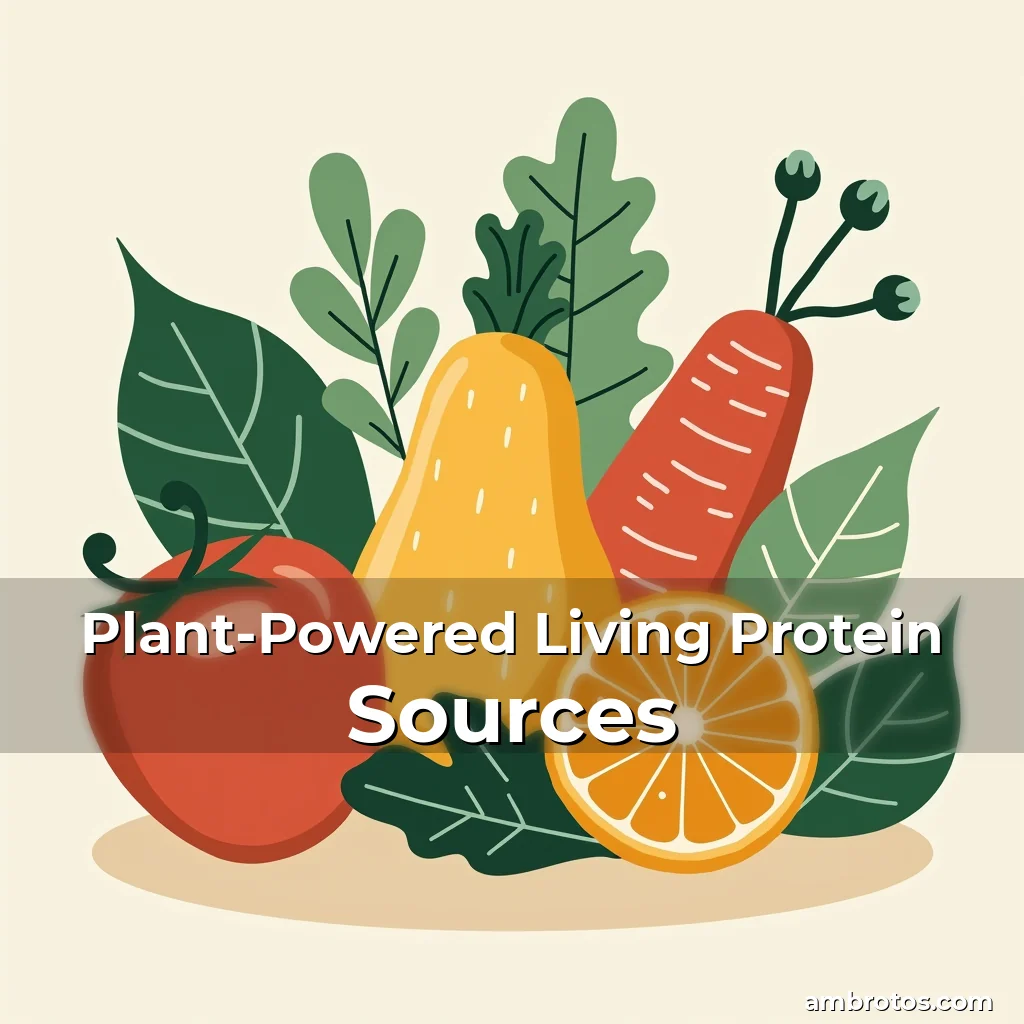
The Power of Plant-Based Proteins: Fueling Your Body Naturally
In an era where health-conscious choices are increasingly prioritized, plant-powered living has emerged as a transformative approach to nutrition. This lifestyle emphasizes deriving essential nutrients from whole, unprocessed plants rather than animal products. It’s not merely a dietary shift—it’s a holistic way of life that supports both personal well-being and environmental sustainability.
The rise of plant-based diets is supported by growing scientific evidence highlighting their benefits for heart health, weight management, and longevity. Moreover, adopting a plant-powered lifestyle aligns with ethical considerations regarding animal welfare and ecological preservation. These factors collectively make plant-powered living an appealing choice for many individuals seeking balance between health, ethics, and sustainability.
Diverse Nutritional Benefits Beyond Just Protein
While protein often takes center stage in discussions around diet, plant-powered living offers a wealth of additional nutritional advantages. Whole foods such as fruits, vegetables, legumes, nuts, seeds, and whole grains provide fiber, vitamins, minerals, and antioxidants crucial for optimal bodily function. These components work synergistically to support immune health, reduce inflammation, and promote cellular repair.
Fiber-rich plant foods play a pivotal role in digestive wellness and satiety. They help regulate blood sugar levels, prevent constipation, and foster the growth of beneficial gut bacteria. Additionally, the high water content in many plant-based foods contributes to hydration while naturally curbing appetite through prolonged fullness.
Vitamins found in plants—such as vitamin C, E, K, and various B-complex vitamins—are essential for energy production, skin health, bone strength, and neurological function. Minerals like potassium, magnesium, calcium, and iron present in leafy greens and fortified foods further enhance overall physiological performance.
Antioxidants abundant in colorful produce combat oxidative stress linked to chronic diseases. By neutralizing free radicals, these compounds protect cells from damage and may even slow down aging processes at the molecular level.
Top Plant-Based Protein Sources You Should Know
Selecting quality protein sources is fundamental when transitioning toward a plant-powered lifestyle. Legumes stand out as exceptional providers of complete proteins containing all nine essential amino acids necessary for muscle maintenance and tissue regeneration. Beans, lentils, chickpeas, and peas offer versatility across cuisines worldwide.
Nuts and seeds also contribute significantly to daily protein intake. Almonds, walnuts, chia seeds, flaxseeds, pumpkin seeds—all contain healthy fats alongside substantial amounts of protein. Incorporating them into meals enhances flavor profiles while delivering essential micronutrients vital for hormone regulation and metabolic efficiency.
Soy products represent another category worth exploring. Tofu, tempeh, edamame, and soy milk are rich in leucine—an amino acid known to stimulate muscle protein synthesis effectively. Their adaptability makes them suitable additions to numerous recipes without compromising taste or texture preferences.
Whole grain options including quinoa, brown rice, oats, barley, and farro deliver not only carbohydrates but also moderate quantities of protein along with complex carbohydrates that sustain energy throughout the day. Combining different grains can create complementary amino acid profiles similar to those found in animal-derived proteins.
- Legumes: High in protein, fiber, and other nutrients; excellent for soups, stews, salads, and dips.
- Nuts & Seeds: Provide good fat content together with protein; ideal for snacks, smoothies, or baked goods.
- Soy Products: Versatile ingredients offering complete proteins; great for stir-fries, sandwiches, or desserts.
- Whole Grains: Offer sustained energy release paired with adequate protein levels; perfect base for wholesome dishes.
Maximizing Absorption Through Strategic Pairings
To ensure your body efficiently utilizes available protein from plant sources, strategic food pairings become critical. While individual plant foods might lack certain essential amino acids compared to animal counterparts, combining varied items creates balanced profiles mimicking traditional meat consumption patterns.
For instance, pairing beans with rice provides complementary amino acids forming nearly complete proteins. Similarly, consuming hummus made from chickpeas alongside pita bread adds missing elements required for effective utilization within muscles tissues.
Other combinations include peanut butter spread over whole wheat toast or adding spinach to tofu scrambles which boosts iron absorption due to enhanced bioavailability facilitated by vitamin C presence.
This concept extends beyond basic meal preparations; thoughtful integration during snack times matters equally. Choosing trail mixes featuring almonds mixed with dried apricots ensures simultaneous delivery of both macronutrient types promoting better nutrient uptake rates.
Common Misconceptions About Plant-Based Diets Debunked
A prevalent myth suggests that going completely vegan leads inevitably to deficiencies in key nutrients like iron, zinc, omega-3 fatty acids, and vitamin B12. However, careful planning allows most people following strictly plant-based regimens access sufficient quantities via diverse dietary selections.
Iron deficiency remains one concern particularly among women who menstruate regularly. Fortunately, heme-free forms exist primarily in dark green leafy vegetables, fortified cereals, lentils, kidney beans, and pumpkin seeds providing ample non-heme iron sources accessible through regular consumption schedules.
Zinc availability comes mainly from legumes, nuts, seeds, whole grains, and dairy alternatives fortified specifically for this purpose. Including these frequently helps maintain appropriate serum concentrations comparable to omnivorous populations.
Omega-3 fatty acid requirements typically met through fish oils now have viable substitutes derived from algae extracts or flaxseed oil which serve identical biological functions albeit differing slightly chemically yet functionally equivalent outcomes.
B12 supplementation becomes imperative since its primary natural occurrences reside exclusively within animal tissues making direct acquisition impossible unless obtained artificially either through fortified foods or supplements prescribed by healthcare professionals.
Cooking Techniques That Enhance Flavor Without Compromising Nutrition
Enhancing flavors without relying heavily on salt or unhealthy additives requires creative culinary approaches aligned with plant-powered principles. Experimentation with herbs, spices, citrus zest, fermented condiments, and umami-rich ingredients unlocks incredible possibilities enhancing palatability effortlessly.
Teriyaki sauce crafted using tamari instead of regular soy gives gluten-free alternative retaining savory depth desired traditionally associated with Asian cuisine styles. Marinating vegetables overnight in vinegar-based dressings prior grilling imparts tender textures alongside vibrant tastes reminiscent grilled meats.
Roasting nuts until golden brown intensifies nuttiness creating delightful crunchy toppings adaptable across salads, oatmeal bowls, yogurt parfaits, etcetera. Using smoked paprika blended with garlic powder sprinkled onto roasted sweet potatoes achieves smoky barbecue flair previously exclusive domain of BBQ enthusiasts.
Miso paste diluted appropriately serves as remarkable seasoning agent capable transforming bland broths into richly flavored stocks utilized extensively throughout Japanese cooking traditions globally appreciated nowadays too.
Meal Planning Strategies For Sustainable Success
Establishing consistent routines aids long-term adherence towards maintaining plant-powered lifestyles successfully. Prioritize batch cooking sessions allowing preparation ahead reducing temptation toward less nutritious convenience options later on when time constraints increase unexpectedly.
Create weekly menus incorporating variety ensuring coverage across all core categories—protein, carbs, fats, fiber—with emphasis placed upon colorful presentation encouraging enjoyment factor essential for continued engagement interest.
Purchase fresh seasonal produce whenever possible supporting local agriculture systems simultaneously enjoying peak freshness qualities inherent within nature’s bounty bestowed seasonally according to regional climatic conditions prevailing annually.
Keep pantry stocked with essentials like canned beans, frozen veggies, whole grain pastas, nut butters, and plant-based milks facilitating quick assembly of nourishing meals anytime cravings strike irrespective weather circumstances affecting grocery shopping plans otherwise.
Eco-Friendly Impacts Of Embracing A Plant-Centric Diet
Adopting plant-centric eating habits significantly reduces carbon footprint associated with livestock farming industries contributing notably greenhouse gas emissions annually measured against global climate change concerns currently dominating public discourse internationally.
Livestock operations demand extensive land usage resources leading deforestation activities threatening biodiversity loss accelerating species extinction rates alarmingly fast recently observed scientifically documented events occurring planetwide consistently.
Water conservation efforts benefit immensely from decreased reliance upon intensive irrigation methods typically necessitated raising animals versus cultivating crops directly consumed human beings requiring relatively minimal hydration inputs comparatively speaking.
Moreover, methane produced ruminant digestion processes constitutes potent contributor atmospheric pollution surpassing CO₂ impact potency twentyfold thereby reinforcing rationale behind shifting away conventional meat-centered sustenance models actively pursued historically across cultures globally.
Community Support Systems Within The Ambrosios Network
The Ambrosios Network fosters connections enabling members pursue healthier lifestyles collectively sharing experiences knowledge resources freely available enhancing mutual understanding growth opportunities mutually beneficial relationships formed enduringly.
Regular virtual meetups scheduled monthly facilitate open dialogues discussing challenges faced implementing changes personally professionally simultaneously celebrating victories achieved milestones reached reinforcing communal spirit encouraging ongoing participation enthusiasm sustained indefinitely.
Resource libraries maintained centrally house curated collection educational materials covering wide range topics relevant plant-powered transitions including recipe books, workout programs, mindfulness exercises tailored specifically addressing needs interests diverse demographics represented network participants.
Volunteer initiatives organized periodically allow contribution back communities engaged active roles promoting awareness campaigns educating others importance sustainable practices adopted daily routines influencing broader societal shifts positive direction gradually overtime.
Conclusion
Transitioning toward plant-powered living presents multitude opportunities improving physical vitality mental clarity emotional equilibrium simultaneously benefiting environment surrounding us profoundly. With mindful selection combination techniques strategies outlined above achieving goals feasible attainable realistic expectations grounded solid foundation established early stages journey undertaken.
Embrace each step taken confidently knowing every small effort counts ultimately shaping future generations inherit world thriving ecosystems harmonious coexistence humanity earth itself. Let’s cultivate lives rooted deeply within nature’s abundance flourishing brightly despite whatever obstacles encountered along path chosen wisely deliberately today!


news is a contributor at Ambrotos.com. We are committed to providing well-researched, accurate, and valuable content to our readers.
You May Also Like

Minimalist Natural Lifestyle Approach
The Minimalist Natural Lifestyle Movement: A Path to Authentic Living In an age dominated by consumerism and digital overload, many...


The Essence of Pure Ingredients: A Journey Through Nature's Untouched Bounty
The Essence of Pure Ingredients: A Journey Through Nature's Untouched Bounty In an era where processed foods dominate supermarket shelves,...
Plant-Powered Living with Kids
Nutritional Powerhouses for Growing Bodies Kids thrive on energy, and plant-powered meals deliver exactly that. Whole grains, legumes, leafy greens,...

The Harmonious Path: Exploring Holistic Traditions Across Cultures and Time
The Harmonious Path: Exploring Holistic Traditions Across Cultures and Time Holistic traditions encompass ancient wisdom that views health as an...