


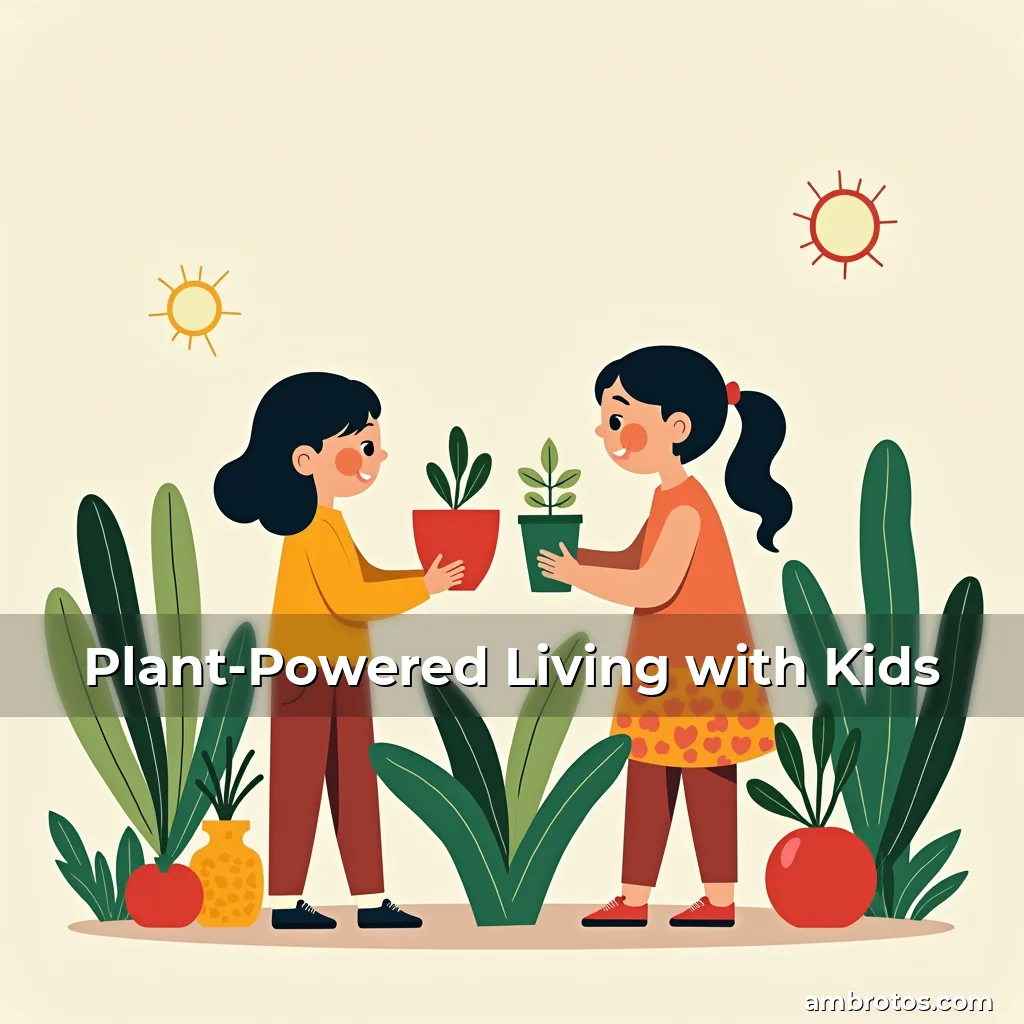
Nutritional Powerhouses for Growing Bodies
Kids thrive on energy, and plant-powered meals deliver exactly that. Whole grains, legumes, leafy greens, and antioxidant-packed fruits form the cornerstone of a balanced diet. These ingredients fuel growing muscles, support brain development, and help ward off illnesses without artificial additives or processed sugars.
For example, lentils are packed with iron and protein, making them ideal for active toddlers. Sweet potatoes offer potassium and vitamin A, crucial for immunity and vision. Meanwhile, blueberries boost cognitive function—a win for students needing focus during school hours. The variety ensures no nutrient goes missing, ever.
- Variety is key: Rotate crops seasonally to expose kids to new tastes and nutrients. Summer squash, winter root vegetables, spring peas—all contribute uniquely to a well-rounded diet.
- Hidden superstars: Ingredients like tahini, chia seeds, and hemp hearts sneak protein and omega-3s into everyday snacks or smoothies.
Cooking with Kids: Making Meals Magical
Involving children in meal prep transforms mundane tasks into bonding opportunities. Letting kids stir batter, wash veggies, or sprinkle toppings creates a sense of ownership over their meals—and makes them more likely to try them. Even preschoolers can help measure flour or crush herbs safely with adult supervision.
Use storytelling to spark interest. Turn broccoli into “dino trees” or name spaghetti noodles “magic strings” that stretch and snap. Playful language demystifies unfamiliar foods and turns cooking into a game rather than a chore.
Mealtime Magic Tips
Studies show that repeated exposure increases a child’s willingness to accept new foods. Serve rainbow-colored salads, spiralized zucchini “noodles,” or veggie-shaped sandwiches regularly. Patience pays off—their palates adapt faster than you think!
Create a “taste test station” during dinners. Offer small samples of new dishes alongside familiar favorites. Praise curiosity without pres Over time, hesitant eaters become adventurous food lovers.
Navigating Picky Eaters Gracefully
Pickiness is normal! Most children go through phases where they prefer repetitive foods or resist change. Instead of stressing, frame this stage as an opportunity to teach flexibility and openness to diversity—in taste, texture, and tradition.
Lead by example. If you love trying new recipes, your child will too. Keep favorite staples nearby, but gradually introduce subtle swaps. Replace cheese in macaroni and cheese with vegan alternatives, swap chicken nuggets for baked sweet potato fries, or blend spinach into pizza sauce unnoticed.
Snacking Smart: Fueling Little Explorers
Healthy snacking bridges hunger gaps between meals and prevents overeating later. Focus on nutrient-dense options like raw veggies with hummus, trail mix with dried fruit and nuts, or homemade energy balls made with oats, peanut butter, and dark chocolate chips.
Avoid refined carbs and sugary treats disguised as “health food.” Opt for whole-food snacks that satisfy cravings naturally. Fresh fruit pairs beautifully with nut butter for a satisfying combo, while air-popped popcorn offers crunchy satisfaction guilt-free.
- Batch baking: Prepare muffins or granola bars ahead of time using wholesome ingredients like bananas, flaxseed, and applesauce. Store in sealed containers for quick grab-and-go options.
- Frozen fruits: Freeze berries, mango chunks, or pineapple slices for easy smoothie bases or icy desserts that beat ice cream in nutritional value.
Educating Through Food: Teaching Sustainability and Nutrition
Plant-powered living is an excellent platform to teach kids about ecology, ethics, and global issues. Discuss how factory farming affects animals, water usage, and climate change. Explain how choosing seasonal produce reduces transportation emissions and supports local farmers.
Visit farms, community gardens, or agricultural fairs to bring lessons to life. Hands-on experiences deepen understanding of where food comes from, fostering respect for laborers, ecosystems, and conservation efforts. Kids learn early that small choices create ripple effects worldwide.
Interactive Learning Ideas
Grow a herb garden indoors or outdoors. Herbs like basil, mint, and parsley add flair to meals while teaching responsibility and observation skills. Measure rainfall, track plant growth charts, and watch life unfold right before your eyes.
Host a “food detective” day. Explore grocery labels together, comparing packaging materials, ingredient lists, and certifications like organic or fair trade. Teach kids to read labels critically—empowering them to make informed decisions as future shoppers.
Balancing Family Needs and Personal Preferences
Not every family member will embrace plant-powered living instantly. Respect differing preferences while subtly guiding everyone toward healthier habits. Compromise works wonders—for instance, offering one plant-based dish alongside a traditional option keeps harmony intact.
Set boundaries gently. While fast food isn’t inherently bad, limit frequency to special occasions. Encourage mindful eating by modeling behaviors like chewing slowly, expressing gratitude, and resisting distractions like TV during meals.
Community Support: Finding Your Tribe
No one has to navigate plant-powered parenting alone. Join local meetups, online forums, or social media groups focused on raising healthy, eco-conscious families. Share recipes, ask questions, and gain confidence from others’ successes and setbacks.
Participate in events like farmer’s markets, vegetarian potlucks, or cooking classes designed for families. These gatherings normalize plant-based living and reduce stigma around alternative diets. You’ll find countless allies who share your goals!
Overcoming Common Concerns
Many parents worry about missing out on certain vitamins or struggling to maintain energy levels. However, with thoughtful planning, deficiencies are easily prevented. Consult pediatricians or registered dietitians specialized in plant-based nutrition for personalized guidance. They can recommend supplements like B12 or DHA if needed.
Stay flexible. Life gets messy, and days will come where convenience triumphs over perfection. That’s okay! Progress—not perfection—is the aim. Celebrate victories big and small, knowing every conscious choice contributes to better futures for your family and planet.
Conclusion
Plant-powered living with kids is a beautiful blend of nutrition, education, and joy. It teaches lifelong lessons about health, empathy, and the interconnectedness of life itself. By nurturing your child’s palate
Start today with one small step—swap a dairy product for almond milk, grow a single sprout, or invite your kid to choose a vegetable for dinner tomorrow. Every action counts, and together, you’ll build a greener, healthier legacy—one bite at a time.


news is a contributor at Ambrotos.com. We are committed to providing well-researched, accurate, and valuable content to our readers.
You May Also Like


Creating Custom Ancient Botanical Blends
The Alchemy of Time: Crafting Authentic Ancient Botanical Blends In an age where modern science dominates our understanding of plant-based...
Ancient Botanical Blends Research
The Lost Art of Ancient Botanical Blends: Unearthing Nature’s Forgotten Remedies In an era dominated by synthetic pharmaceuticals, the wisdom...

Organic Heritage Crop Varieties
Guardians of the Soil: Preserving Organic Heritage Crops Across Generations The story of organic heritage is not merely about farming...
Mindful Nourishment for Busy Lives
Mindful Nourishment for Busy Lives In our fast-paced world, finding time to eat mindfully can feel nearly impossible. Yet, mindful...