


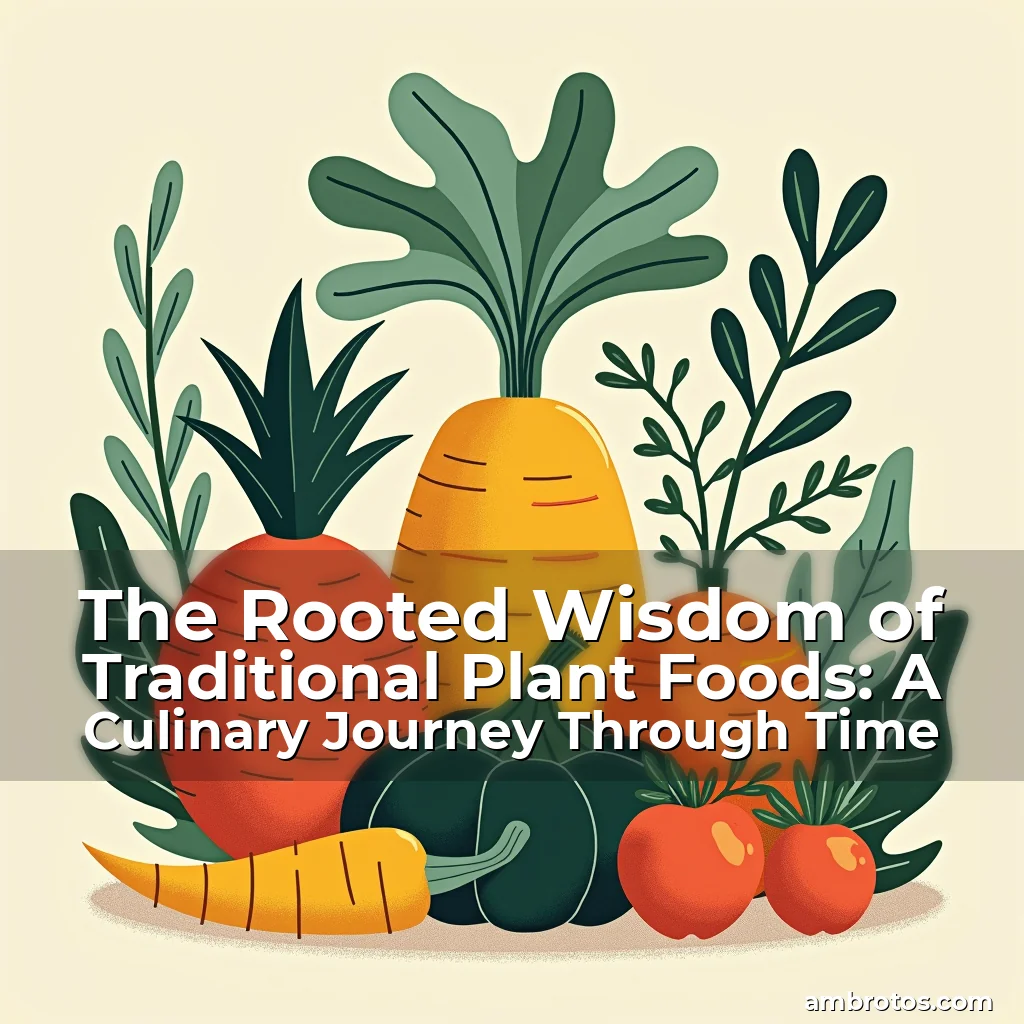
The Rooted Wisdom of Traditional Plant Foods: A Culinary Journey Through Time
In an era dominated by processed convenience, traditional plant foods offer a profound connection to our ancestors’ diets, rich in biodiversity and nutritional wisdom. These time-honored ingredients are not merely sustenance but cultural artifacts that carry stories of survival, adaptation, and celebration across generations.
The resurgence of interest in ancestral eating patterns has sparked renewed appreciation for indigenous crops, heirloom varieties, and heritage cooking methods that have sustained communities for millennia. This exploration delves into the vibrant world of traditional plant-based nourishment, uncovering its historical significance, regional diversity, and modern relevance.
Historical Foundations of Traditional Plant Diets
Agricultural revolutions around 10,000 years ago marked humanity’s shift from nomadic hunting to settled farming, laying the foundation for diverse plant food traditions. Early civilizations cultivated staples like wheat in Mesopotamia, rice in China, maize in Mesoamerica, and millet in Africa, each shaping distinct culinary identities.
These foundational crops were often accompanied by complementary plants selected through centuries of observation and experimentation. For example, ancient Egyptian farmers paired barley with legumes such as lentils and chickpeas to create protein-rich combinations long before modern nutrition science recognized their value.
- Crop rotation practices: Ancient agrarians developed sophisticated crop rotation systems to maintain soil fertility, demonstrating early understanding of ecological balance
- Fermentation techniques: Methods like kimchi-making in Korea and sauerkraut production in Europe emerged independently yet similarly to preserve vegetables through harsh winters
Drought-resistant grains such as amaranth and quinoa thrived in arid regions while water-intensive rice cultivation flourished along river valleys. These adaptations reveal how climate shaped dietary preferences and agricultural innovations over millennia.
Evidence from archaeological sites shows that prehistoric peoples utilized wild plants extensively alongside domesticated crops. The Neolithic village of Çatalhöyük revealed storage pits containing figs, almonds, and einkorn wheat, illustrating early efforts at food preservation and surplus management.
Cultural Significance of Traditional Plant Ingredients
Beyond mere sustenance, traditional plant foods serve as vessels of identity and memory within communities. In many cultures, specific ingredients hold spiritual importance or are tied to seasonal rituals that mark the passage of time.
For instance, the Japanese practice of harvesting bamboo shoots during spring is deeply embedded in Shinto ceremonies honoring nature spirits. Similarly, the Navajo people view corn as sacred, believing it was gifted to them by the gods and central to both physical and spiritual well-being.
Symbolism in Plant-Based Traditions
Many traditional societies attribute symbolic meaning to particular plants. In Hindu culture, turmeric represents purity and auspiciousness, appearing prominently in wedding ceremonies and religious offerings. The Maori of New Zealand associate harakeke flax with strength and resilience due to its durability in weaving crafts.
Such associations extend beyond aesthetics; they influence dietary choices and preparation methods. In some African tribes, certain leaves are only consumed during specific rites of passage, reflecting deep-seated beliefs about transformation and renewal.
Herbal knowledge passed down through generations forms an oral tradition that preserves botanical wisdom. Amazonian shamans, for example, can identify hundreds of medicinal plants based on family teachings rather than written records.
Nutritional Legacy of Ancestral Crops
Traditional plant foods often boast superior nutrient profiles compared to modern monoculture produce. Heirloom varieties typically contain higher levels of antioxidants, micronutrients, and phytochemicals due to genetic diversity maintained through natural selection processes.
Research published in the Journal of Agricultural and Food Chemistry found that older tomato cultivars had significantly greater lycopene content than commercial hybrids bred primarily for appearance and shelf life. This highlights the trade-offs between aesthetic appeal and nutritional density in contemporary agriculture.
Tribal communities practicing agroforestry systems demonstrate how integrating trees with crops enhances overall nutrition. The Maya civilization’s chinampas raised yields of beans, squash, and chilies while maintaining soil health through nitrogen-fixation cycles.
Modern nutritionists increasingly recognize the benefits of whole-food approaches rooted in traditional diets. The Mediterranean diet, inspired by ancient Greek and Roman eating habits, emphasizes olive oil, legumes, and fresh vegetables – components that align closely with ancestral plant-based principles.
Regional Diversity in Traditional Plant Cuisine
From Andean mountain villages to Pacific Island atolls, every region has developed unique plant-based cuisines tailored to local environments. These variations reflect ingenious solutions to challenges posed by geography, climate, and available resources.
In the high-altitude terraces of Peru, Quechua women cultivate potatoes in intricate irrigation networks, preserving over 4,000 native varieties adapted to extreme conditions. Meanwhile, coastal Vietnamese fishermen incorporate seaweed into daily meals, leveraging marine flora abundant in their environment.
- Andes region: Cultivation of oca, mashwa, and yacon provides vitamin C-rich alternatives to citrus fruits unavailable at high elevations
- Papua New Guinea: Sago palm processing demonstrates advanced carbohydrate extraction techniques using simple tools and fire-hardened sticks
Himalayan communities utilize rhubarb and buckwheat despite limited growing seasons, showcasing adaptability through selective breeding and strategic planting schedules. These examples illustrate how necessity drives innovation when working with available plant species.
Island nations like Hawaii developed taro-based economies centered around the ‘ulu’ plant, which thrives in wetland environments. Their poi-making traditions highlight sustainable starch utilization without relying on grain imports.
Sustainable Practices Embedded in Traditional Agriculture
Indigenous farming methods often embody environmental stewardship principles that modern industrialized agriculture struggles to replicate. Polyculture systems, intercropping strategies, and natural pest control mechanisms form the backbone of these resilient practices.
The Three Sisters method employed by Native American tribes combines corn, beans, and squash in mutually beneficial relationships. Corn stalks provide support for climbing bean vines, beans fix atmospheric nitrogen into the soil, and sprawling squash leaves act as living mulch suppressing weeds.
Similarly, West African farmers practice zai pit technology where small holes dug into degraded land capture rainfall and concentrate nutrients, reviving desertified areas with minimal external inputs. These techniques demonstrate remarkable efficiency in resource conservation.
Mediterranean dry-farming traditions show how careful timing of sowing and harvesting maximizes yield potential with limited irrigation. Grape growers in southern France rely on windbreak hedges made from lavender and rosemary to naturally regulate microclimates around vineyards.
Revitalization Efforts and Modern Applications
Growing awareness of climate change impacts has led to renewed interest in traditional plant foods as climate-resilient options. Researchers study ancient crop varieties for traits that could enhance future food security amid shifting weather patterns.
Organizations like the Slow Food Foundation work to protect endangered food species through seed banks and educational programs. Their Ark of Taste initiative catalogues thousands of heritage ingredients facing extinction due to industrial farming pressures.
Urban gardeners adopt permaculture principles inspired by traditional land management techniques. By creating self-sustaining ecosystems that mimic natural habitats, city dwellers apply age-old wisdom to contemporary spaces constrained by concrete landscapes.
Restaurants specializing in revival cuisine showcase dishes reinterpreted from historical recipes. Chefs collaborate with ethnobotanists to accurately recreate flavors and textures associated with ancestral diets, bridging generational gaps through gastronomy.
Health Implications of Returning to Roots
Emerging research suggests that traditional plant-based diets may help address modern health crises linked to processed food consumption. Studies indicate lower rates of chronic disease among populations adhering to ancestral eating patterns.
Populations consuming predominantly plant-based traditional diets exhibit reduced incidence of heart disease, diabetes, and certain cancers. The Okinawan diet featuring sweet potatoes, tofu, and seaweed correlates with exceptional longevity documented in demographic studies.
Nutrition experts emphasize the role of fiber, polyphenols, and complex carbohydrates present in unprocessed plant foods. Unlike refined products, these components promote gut microbiome diversity crucial for immune function and metabolic regulation.
Culturally appropriate modifications allow integration of traditional plant foods into modern lifestyles. Incorporating fermented vegetables, herbal teas, and whole-grain staples can enrich contemporary diets without sacrificing convenience or taste.
Conclusion
The enduring legacy of traditional plant foods offers invaluable lessons for navigating today’s complex food landscape. From their historical roots to current applications, these ancient ingredients continue to shape human experiences through flavor, nutrition, and sustainability.
By embracing the wisdom encoded in ancestral plant-based traditions, individuals can make informed choices that honor cultural heritage while promoting personal wellness and planetary health. Let us cultivate curiosity about these timeless gifts of the earth and rediscover the richness they bring to our tables and lives.
“`


news is a contributor at Ambrotos.com. We are committed to providing well-researched, accurate, and valuable content to our readers.
You May Also Like

Traditional Earth-Based Nutrition
Rooted in Nature: Exploring Earth-Based Nutrition In an era dominated by processed foods and artificial supplements, earth-based nutrition offers a...

Natural Lifestyle for Apartment Living
The Natural Lifestyle Revolution: Embracing Harmony at Home and Beyond In an era where convenience often overshadows well-being, the natural...
Evidence-Based Holistic Traditions
tag. Evidence-Based Holistic Traditions Holistic traditions have been practiced across cultures for centuries, offering approaches that integrate physical, emotional, mental,...

Advanced Botanical Discoveries Techniques and Methods
The Hidden Gardens of Discovery: Unearthing Nature's Secrets Through Botanical Exploration In an age where technology often overshadows nature’s wonders,...