


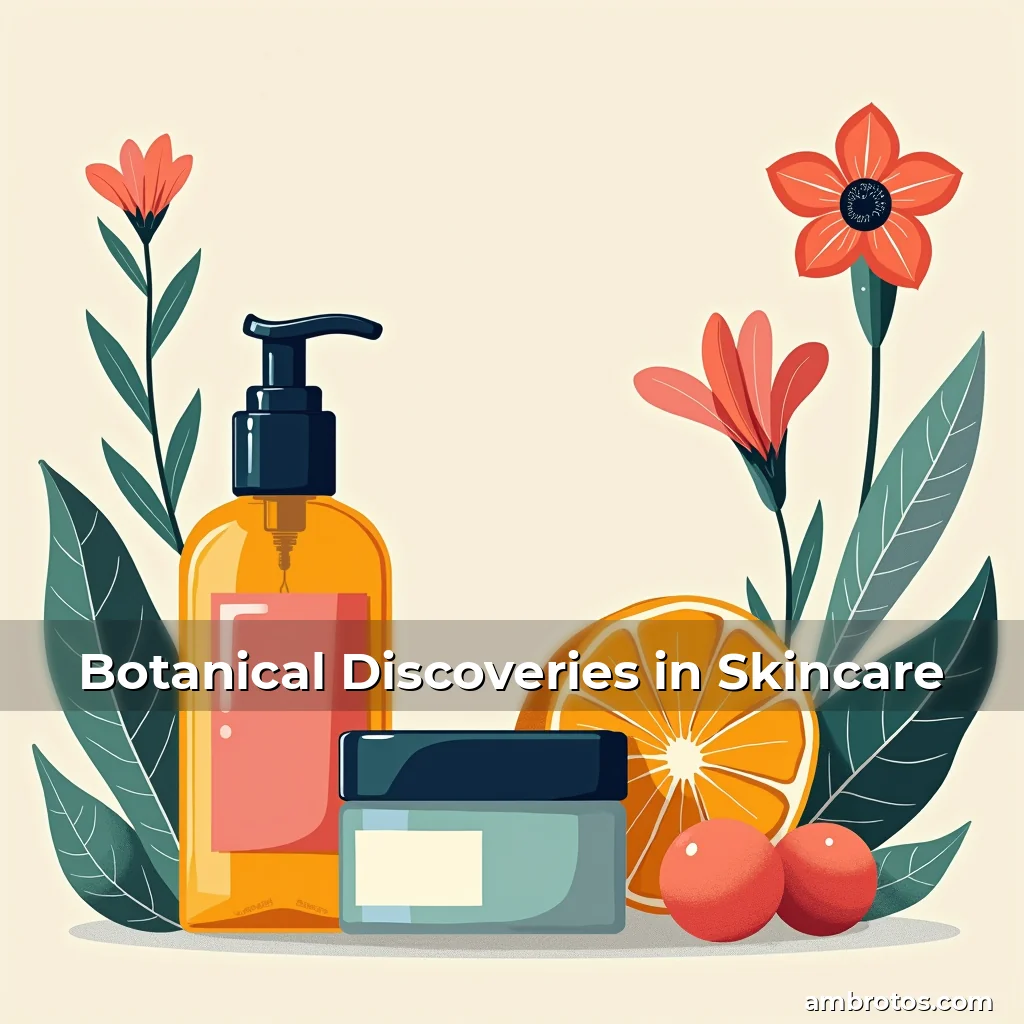
Revolutionizing Skin Health Through Botanical Innovation
In the ever-evolving landscape of skincare, botanical discoveries have emerged as game-changers, blending centuries-old wisdom with cutting-edge science to redefine what’s possible for skin health. From ancient herbal remedies to lab-grown plant extracts, nature continues to surprise us with its capacity to heal, nourish, and protect.
The last decade has witnessed groundbreaking advancements in understanding how plant-derived compounds interact with human physiology at the molecular level. These innovations are reshaping formulations across creams, serums, and even ingestible products, offering safer, more effective alternatives to synthetic chemicals.
The Resurgence of Natural Ingredients
A growing global movement toward clean beauty and eco-conscious living has reignited interest in botanicals once considered relics of the past. Consumers increasingly seek out products free from parabens, sulfates, and artificial fragrances, turning instead to plant-based alternatives backed by rigorous research.
This shift is driven not only by aesthetic preferences but also by mounting evidence linking certain synthetic ingredients to long-term health risks. As dermatologists and researchers collaborate with ethnobotanists, they’re uncovering why traditional remedies from diverse cultures were so effective—often before we understood the underlying science.
- Turmeric: Curcumin’s anti-inflammatory and antioxidant properties make it a powerhouse ingredient for reducing redness and improving skin texture
- Rosehip Oil: Rich in vitamins C and E, it promotes collagen production and helps fade scars and hyperpigmentation
Emerging Plant-Based Compounds
Beyond well-known superfoods, researchers are discovering novel phytochemicals with remarkable potential. For example, compounds found in the Baobab tree exhibit exceptional moisture retention abilities, while the seeds of the Sea Buckthorn berry contain omega fatty acids beneficial for barrier function restoration.
Sustainable sourcing practices are becoming paramount as demand increases. Ethical wildcrafting methods ensure that harvesting doesn’t deplete populations, and many companies now partner directly with local communities who’ve preserved knowledge of these plants for generations.
Biomechanical Advancements
Recent studies show that certain plant extracts can modulate the skin microbiome effectively. A 2023 study published in *Nature* revealed that prebiotic-rich algae extracts help maintain healthy microbial diversity, which is crucial for preventing conditions like acne and rosacea.
These findings are influencing formulation strategies, leading to probiotic-infused moisturizers that support both internal and external skin health. Such innovations highlight how deeply interconnected our bodies are with the plant kingdom.
Ancient Remedies Reimagined
Cultures worldwide have long used plants medicinally, often intuitively recognizing benefits later validated by science. Traditional Chinese Medicine, for instance, utilizes licorice root for its soothing properties—an application now supported by clinical trials showing reduced inflammation markers.
Similarly, Ayurveda has been instrumental in popularizing adaptogens like ashwagandha, which not only benefit stress management but also contribute to clearer, more resilient skin when incorporated into skincare routines.
- Neem Leaf Extract: Demonstrated antifungal properties useful for treating dandruff and fungal infections
- Sandalwood Essential Oil: Known for its calming effects and ability to reduce sebum production
Sustainability and Biodiversity Conservation
As the demand for exotic botanicals grows, so does concern about overharvesting endangered species. This has led to increased investment in cultivating medicinal plants rather than relying solely on wild collection—a practice that supports both ecological preservation and consistent supply chains.
Biotechnological advances allow for the mass cultivation of high-value compounds through cellular agriculture. Companies are successfully producing resveratrol (found naturally in grapes) via yeast fermentation, significantly reducing pressure on vineyards.
Economic Impacts on Local Communities
Fair-trade initiatives are helping uplift rural populations by providing stable income sources tied to sustainable harvesting. In Madagascar, for example, the export of vanilla beans—not only valued for flavor but also for skin-conditioning properties—has become a vital part of economic development programs.
Such models demonstrate that ethical procurement isn’t just environmentally sound—it’s economically viable and socially transformative when implemented correctly.
Technology’s Role in Discovery
Advances in genomic sequencing have accelerated identification of previously unknown plant compounds. By mapping entire genomes of rare species, scientists can pinpoint genes responsible for producing beneficial substances without needing to cultivate the full plant.
Artificial intelligence further enhances these efforts by predicting which compounds will interact favorably with human receptors. Machine learning algorithms analyze millions of data points to forecast efficacy, drastically speeding up R&D timelines compared to conventional trial-and-error approaches.
Ethical Considerations
While excitement surrounds new botanical discoveries, there’s equal responsibility to ensure ethical treatment of source materials and people involved in extraction processes. Certifications like Fair Trade and Rainforest Alliance provide assurance that products meet strict standards regarding labor rights and environmental stewardship.
Transparency is essential; consumers deserve clear information about where ingredients come from, how they’re processed, and whether their purchase contributes positively to ecosystems and communities.
The Future Landscape
Predictive analytics suggest that future breakthroughs may lie in hybridization techniques that combine traits from different plant species to enhance therapeutic value safely. Researchers are exploring ways to engineer plants capable of producing higher concentrations of desired compounds without losing nutritional integrity.
We may soon see wearable devices that monitor real-time changes in skin condition and recommend targeted botanical treatments accordingly—personalized skincare at our fingertips, quite literally.
Conclusion
The journey of botanical innovation reveals a profound synergy between humanity’s quest for wellness and Earth’s incredible biological diversity. These discoveries remind us that sometimes the most advanced solutions exist right beneath our feet, waiting to be understood through curiosity and respect for nature.
As stewards of both personal health and planetary well-being, embracing this holistic approach means choosing products thoughtfully, advocating for sustainable practices, and staying open-minded about the endless possibilities offered by the botanical world.


news is a contributor at Ambrotos.com. We are committed to providing well-researched, accurate, and valuable content to our readers.
You May Also Like

Cultural Traditional Plant Foods Recipes
The Living Legacy of Traditional Plant-Based Diets Across Cultures In an era where processed convenience often dominates our plates, traditional...

Harmonious Eating for Weight Balance
The Art of Harmonious Eating: Cultivating Balanced Nutrition for Holistic Well-being In an era dominated by fast food culture and...

Native American Ancient Wisdom
The Timeless Teachings of Indigenous Ancestors: Embracing Ancient Wisdom in Modern Life In an age defined by rapid technological advancements...

Natural Lifestyle Home Cleaning
Natural Lifestyle Home Cleaning: Embracing Eco-Friendly Living for Healthier Spaces In today’s fast-paced world, many individuals seek harmony between modern...