
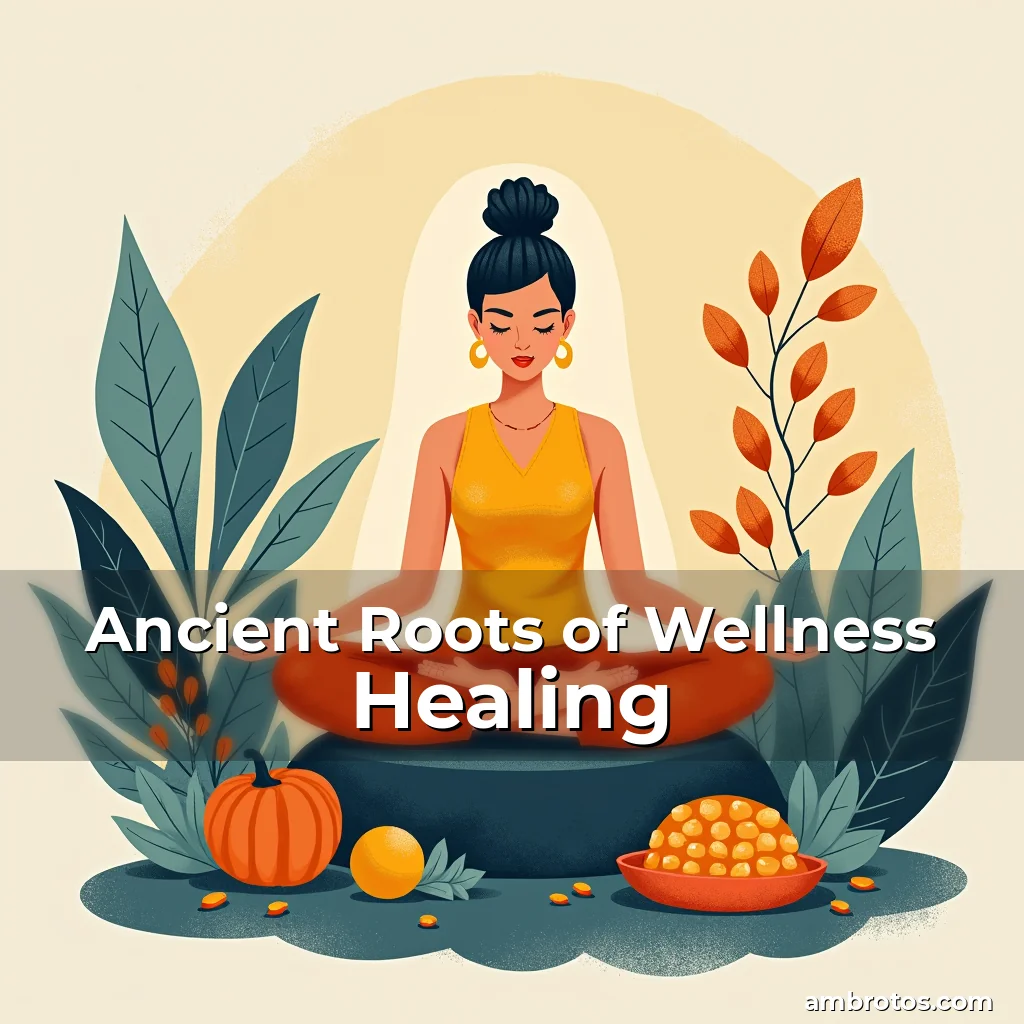
The Ancient Roots of Wellness: A Journey Through Time
In an era dominated by fast-paced lifestyles and digital distractions, the concept of wellness often feels modern—something crafted from recent research and trends. However, its roots stretch far beyond our current understanding, reaching back thousands of years through human history. This journey explores how ancient cultures approached health, healing, and balance long before the advent of modern medicine.
From the sacred rituals of Ayurveda in India to the holistic practices of Traditional Chinese Medicine, civilizations across the globe have contributed to the foundation of wellness as we know it today. These traditions emphasize harmony between mind, body, and spirit—a principle still relevant in contemporary approaches to well-being.
The Foundations of Wellness in Early Civilizations
Wellness, as understood in early societies, was deeply intertwined with spirituality and nature. The Sumerians, Egyptians, Greeks, and others believed that physical ailments were manifestations of imbalances within the individual’s relationship to their environment and inner self. Their solutions involved not only herbal remedies but also spiritual ceremonies and lifestyle adjustments aimed at restoring equilibrium.
Egyptian priests, for instance, were both healers and spiritual guides who combined prayers with medicinal treatments derived from plants found along the Nile River. They documented these methods meticulously, ensuring knowledge passed down through generations. Such practices laid the groundwork for what would later evolve into structured medical systems worldwide.
- Herbal Remedies: Many ancient cultures relied heavily on natural substances extracted from plants, minerals, and animals to treat various conditions. For example, willow bark was used by Native Americans for pain relief, which eventually led to the development of aspirin centuries later.
- Spiritual Healing: Rituals involving meditation, chanting, or offerings to deities played crucial roles in recovery processes. In many cases, mental states such as anxiety or depression were viewed as disturbances requiring spiritual intervention rather than solely medical treatment.
Hippocratic Influence and the Birth of Western Medicine
Greece stands out among ancient civilizations due to Hippocrates’ contributions to healthcare. Known as the “Father of Medicine,” he introduced systematic observation and diagnosis based on empirical evidence instead of attributing illness purely to divine punishment.
Hippocratic teachings emphasized diet, exercise, rest, and environmental factors in maintaining good health. His famous oath still influences ethical standards in medical professions today. By focusing on prevention over cure, he set precedents for preventive care strategies seen in modern wellness programs around the world.
Ayurvedic Wisdom: Harmony Within Nature
Ayurveda originated in India approximately three thousand years ago and continues influencing global wellness philosophies today. Rooted in Vedic texts, this system categorizes individuals into doshas—Vata, Pitta, Kapha—which represent different energies governing bodily functions and temperament.
Practitioners use personalized diets, yoga postures tailored specifically for each person’s constitution, and detoxification techniques known as Panchakarma to restore internal balance. Modern integrative medicine increasingly recognizes the value of Ayurvedic principles when addressing chronic diseases and promoting overall vitality.
Dosha-Based Living Today
Understanding your dominant dosha can help guide daily choices related to food intake, activity levels, sleep patterns, etc. Those with high Vata might benefit most from warm nourishing foods while people leaning towards Kapha may find light meals more suitable during certain seasons.
This customization allows individuals to align themselves better with natural cycles without rigidly following universal guidelines that don’t account for personal differences. It encourages mindfulness regarding how external elements affect internal rhythms—an essential aspect of sustainable wellness journeys.
Taoist Practices and Qi Energy Flow
Chinese philosophy significantly shaped traditional approaches toward wellness through Taoism and Confucian thought. Central to Taoist belief is Qi (pronounced “chee”), the vital life force flowing through every living being. Maintaining unobstructed Qi flow ensures optimal health whereas blockages lead to disease manifestation according to classical theories.
To facilitate smooth energy movement, practitioners engage in Qigong exercises combining controlled breathing with slow deliberate movements designed to enhance circulation and stimulate acupoints throughout the body. These routines are now widely accepted globally as effective tools supporting stress reduction and improving quality of life.
Meditation Across Cultures: From Zen to Yoga
Meditation has been practiced since antiquity across numerous cultures serving diverse purposes ranging from religious devotion to enhancing cognitive abilities. Buddhist monks developed specific forms like Vipassana focusing on insight into reality whereas Hindu sages promoted Dhyana emphasizing deep concentration leading ultimately towards enlightenment.
Yoga incorporates meditative aspects alongside physical postures offering dual benefits for physical fitness and psychological resilience. Scientific studies confirm regular practice reduces cortisol levels associated with stress thereby contributing positively towards cardiovascular health and emotional stability.
Nutrition Insights from Ancient Diets
Foods consumed historically reflect regional availability yet share commonalities emphasizing whole grains, legumes, fruits, vegetables, nuts, seeds—all rich sources of nutrients essential for longevity. Mediterranean cuisine exemplifies balanced eating habits rooted in simplicity using locally sourced ingredients seasoned minimally.
Modern nutritional science corroborates ancient dietary wisdom highlighting importance of fiber-rich plant-based diets reducing risks linked to heart disease, diabetes mellitus type II, obesity. Incorporating fermented products like yogurt or kimchi supports gut microbiome diversity beneficial for digestion and immunity enhancement.
Physical Activity Traditions Around the World
Cultures everywhere recognized movement’s role in sustaining health whether through martial arts training like karate originating from Okinawa or dance rituals performed ceremonially by indigenous tribes celebrating seasonal changes. These activities weren’t merely recreational; they served therapeutic functions too helping manage trauma symptoms or alleviate chronic pains naturally.
Swimming was revered particularly in Roman baths where public facilities encouraged communal participation fostering social bonds simultaneously strengthening muscles and joints gently unlike strenuous workouts typical nowadays. This holistic approach mirrors present-day emphasis placed upon functional fitness aiming at improving everyday performance efficiently.
Community Support Systems Enhancing Wellbeing
Historically strong communities functioned akin to support networks providing emotional sustenance alongside practical assistance whenever crises arose. Neighbors shared resources during famines while elders imparted generational knowledge preserving cultural heritage alongside survival skills necessary navigating harsh environments effectively.
Such collective responsibility ensured everyone received adequate attention regardless of status affording equitable access to basic needs fulfilling Maslow’s hierarchy requirements starting from safety up through belongingness needs fulfillment facilitating genuine happiness realization potential within members alike.
Contemporary Relevance and Integration
Today’s wellness industry draws extensively from these timeless foundations adapting them suitably under scientific scrutiny validating efficacy claims made initially through observational data gathered over millennia. Holistic therapies once dismissed outright by conventional doctors are gradually gaining acceptance evidenced by increased referrals between primary caregivers and alternative providers seeking complementary interventions enhancing patient outcomes comprehensively.
Emerging fields such as epigenetics further bridge gaps between old-world understandings and cutting-edge discoveries revealing how ancestral experiences influence gene expression impacting susceptibility towards particular illnesses suggesting there exists profound intergenerational connections worthy exploring seriously moving forward.
Conclusion
The exploration into ancient wellness practices reveals enduring truths about achieving lasting health through integrated approaches respecting biological rhythms coupled with mindful engagement towards nurturing oneself holistically. Understanding historical contexts enriches modern perspectives allowing us to make informed decisions prioritizing sustainability rather than temporary fixes promising quick results devoid deeper meaning behind true transformation required cultivating lifelong wellbeing.
By embracing time-tested methodologies tempered appropriately against current realities considering technological advancements available today enables creation pathways uniquely suited individual aspirations harmoniously blending tradition with innovation continuously evolving alongside ourselves perpetually striving higher states consciousness aligned universally shared goals humanity seeks collectively achieve together.
