
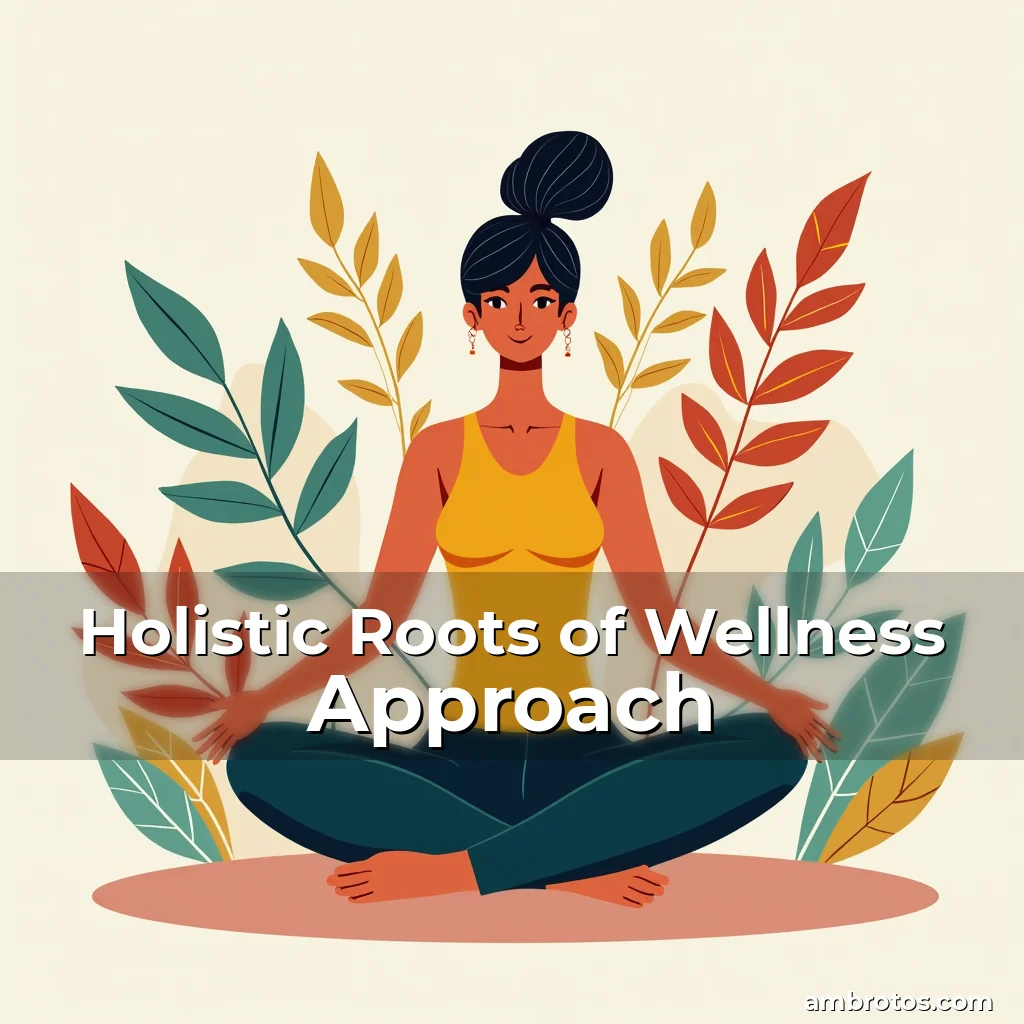
The Holistic Roots of Wellness: Cultivating Health from Within
In an era where health is often equated with quick fixes and fleeting trends, the concept of “Roots of Wellness” emerges as a profound shift towards holistic living. This approach recognizes that true well-being springs not merely from external interventions but from nurturing the deep-seated foundations of our physical, mental, and emotional states.
The journey toward wellness begins by understanding that every individual’s path is unique. It involves recognizing the intricate interplay between lifestyle choices, environmental influences, and personal history. By delving into these elements, we can uncover the root causes behind common ailments and imbalances, paving the way for sustainable transformation.
Nourishing the Body through Whole Foods
At the core of any wellness strategy lies nutrition—a fundamental pillar that sustains life itself. Consuming whole foods rich in essential nutrients provides the body with the building blocks necessary for optimal functioning. These foods are minimally processed and retain their natural vitamins, minerals, and antioxidants, which play critical roles in preventing disease and promoting longevity.
The modern diet, however, has been increasingly dominated by ultra-processed foods laden with additives, preservatives, and artificial ingredients. Such diets have been linked to various chronic conditions including obesity, diabetes, and heart diseases. Replacing these with fresh produce, lean proteins, healthy fats, and whole grains offers a powerful pathway back to health.
Embracing a plant-based diet further enhances nutritional intake while reducing exposure to harmful substances commonly found in animal products. Incorporating colorful fruits and vegetables ensures a wide array of phytochemicals that support immune function and cellular repair processes within the body.
- Fiber-rich foods: Promote digestive health and help regulate blood sugar levels by slowing down glucose absorption.
- Omega-3 fatty acids: Found primarily in fish oil and flaxseeds, they contribute significantly to brain development and cardiovascular health.
Dietary habits also extend beyond mere food selection; portion control and mindful eating practices become vital components of maintaining balance. Eating slowly allows the body ample time to register satiety signals, thus preventing overeating and fostering better digestion.
Adequate hydration plays an equally crucial role in bodily functions ranging from temperature regulation to nutrient transport across cells. Drinking enough water daily supports metabolic efficiency and helps flush out toxins naturally present in both internal waste products and environmental pollutants.
Mindfulness Practices for Mental Clarity and Emotional Stability
Beyond dietary considerations, cultivating mental clarity becomes imperative when pursuing overall wellness. Mindfulness techniques such as meditation and yoga offer effective tools for managing stress responses inherent in today’s fast-paced lifestyles. Regular practice fosters heightened awareness of thoughts and emotions without judgment—an essential skill for navigating challenges constructively.
Scientific research underscores the benefits of mindfulness meditation in improving concentration spans and enhancing cognitive flexibility. Engaging regularly with such exercises trains the mind to remain focused amidst distractions, ultimately leading to improved productivity at work or study environments characterized by high demands.
Yoga complements these efforts by integrating physical postures with breathwork routines designed specifically to calm nervous system activity during times of anxiety or tension. Through consistent engagement with different styles of yoga—Hatha, Vinyasa, Restorative—the practitioner develops greater body-mind connection along with increased resilience against psychological distressors.
The Science Behind Stress Reduction Techniques
Studies conducted by institutions like Harvard Medical School reveal how regular participation in mindfulness activities reduces cortisol production—one key hormone associated with prolonged stress effects on human physiology. Lowered cortisol levels correlate positively with decreased risk factors related to hypertension and depression among participants who maintain long-term meditative habits.
Moreover, neuroimaging technologies demonstrate structural changes occurring within individuals’ brains after sustained meditation periods. Regions responsible for attentional control show enhanced connectivity patterns suggesting lasting improvements in executive functioning capacities following continued usage.
This scientific validation reinforces why incorporating mindfulness strategies should form part of everyone’s routine regardless of age group or background since its potential impact extends far beyond immediate relief from temporary discomforts towards creating enduring behavioral shifts conducive to lifelong wellness goals.
Cultivating Healthy Relationships and Social Support Networks
Social connections serve as another foundational element contributing greatly towards achieving comprehensive wellness outcomes. Human beings inherently thrive under supportive relationships built upon trust, respect, and mutual care. Strengthening interpersonal bonds contributes immensely towards emotional stability required for coping effectively with life’s inevitable adversities.
Quality interactions foster feelings of belongingness that buffer against loneliness—a known contributor to poor mental health statuses globally. Whether through family ties, friendships, romantic partnerships, or professional affiliations, meaningful engagements enhance mood elevations and reduce susceptibility to developing psychiatric disorders later on.
Community involvement presents additional opportunities wherein individuals find purposeful outlets expressing themselves creatively alongside others sharing similar interests or values systems. Volunteering activities particularly benefit those seeking fulfillment outside conventional career trajectories by instilling renewed sense of direction aligned closely with personal growth aspirations.
Physical Activity as a Cornerstone of Wellness
Engaging consistently in moderate-intensity exercise remains non-negotiable aspect of preserving good health status irrespective of demographic characteristics involved. Physical exertion stimulates endorphin release which acts as natural pain relievers simultaneously boosting energy levels making everyday tasks easier accomplishable.
Regular aerobic workouts increase cardiac output capabilities thereby strengthening heart muscles reducing chances occurrence coronary artery blockages caused due excessive fat accumulation around vascular structures. Additionally, muscle mass preservation occurs through resistance training regimens ensuring skeletal framework maintains adequate strength supporting posture integrity over aging process.
Variety becomes key factor determining effectiveness duration span covering diverse movement types caters uniquely suited needs preferences. Activities could range from brisk walking sessions outdoors enjoying nature settings right up to team sports competitions requiring strategic coordination amongst players aiming victory objectives collectively achieved via collaborative effort.
Prioritizing Sleep Hygiene for Optimal Recovery Processes
Sufficient sleep constitutes indispensable component facilitating bodily restoration mechanisms working tirelessly overnight repairing damaged tissues undergoing cell regeneration cycles essential sustaining vitality throughout waking hours experienced next day ahead.
Establishing structured bedtime schedules creates predictable rhythms guiding biological clocks aligning circadian patterns accordingly aiding quicker onset falling asleep state transition smoother transitions morning awakenings feeling refreshed ready tackling new challenges head-on confidently.
Creating conducive sleeping environments devoid disruptive stimuli enables uninterrupted REM phases crucial memory consolidation learning retention abilities developed during active consciousness period preceding rest intervals initiated each night cycle.
Limiting screen exposure prior bedtimes prevents blue light emissions interfering melatonin secretion regulating sleep-wake cycles negatively impacting quality depth attained nightly rejuvenation periods needed restoring depleted resources accumulated throughout busy days lived previously.
Environmental Factors Influencing Overall Wellbeing
Surrounding ourselves within clean breathable air spaces free toxic chemicals pollutants guarantees healthier respiratory tract functionalities enabling efficient gas exchange processes occurring lungs delivering oxygenated supplies reaching organs tissues needing replenishment continuously maintained properly.
Access green areas parks gardens promotes outdoor recreational pursuits encouraging physical mobility increasing vitamin D synthesis triggered sunlight exposure beneficial bone density maintenance immunity fortification purposes alike.
Reducing clutter minimizing possessions stored indoor spaces cultivates mental clarity allowing clearer thought processing decisions made deliberately rather impulsively driven momentary whims lacking foresight regarding consequences entailed subsequent actions taken thereafter.
Educational Empowerment Toward Informed Decision-Making Capabilities
Gaining knowledge relevant topics pertinent healthcare management empowers individuals make educated informed choices affecting their own lives significantly altering trajectory outcomes resulting from proactive measures implemented strategically planned approaches targeting prevention rather reactive responses addressing symptoms manifesting afterwards.
Continuous education ongoing self-improvement mindset encourages exploration alternative treatment modalities expanding horizons beyond traditional medical paradigms embracing integrative methodologies combining evidence-based scientific findings complementary healing traditions coexisting harmoniously together forming cohesive framework supporting multifaceted aspects comprising complete wellness picture envisioned pursued diligently.
Participating workshops seminars webinars hosted experts field increases accessibility acquiring latest updates advancements occurring rapidly evolving landscape medicine technology innovation domains frequently updated necessitating constant vigilance staying current developments unfolding continually.
Integrating Spirituality Into Daily Life Routines
While spirituality may take many forms depending cultural backgrounds belief systems held personally, incorporating spiritual reflections daily schedule aids grounding oneself amidst chaos uncertainty prevalent contemporary society filled unforeseen events happening constantly demanding adaptability resiliency qualities cultivated gradually through conscious effort invested regularly practiced rituals performed faithfully devotedly.
Prayer chanting mantras reading sacred texts meditating silently sitting quietly observing surroundings attentively engage senses fully absorbing lessons imparted universe offering guidance wisdom necessary traversing complex journeys undertaken earnestly sincerely striving higher states being existence realized experientially felt deeply internally rather intellectually grasped abstractly imagined externally perceived superficially.
Developing gratitude journal keeping track positive occurrences encountered daily appreciating small blessings received reinforces optimism reinforcing inner peace diminishing negativity creeping minds clouding judgment impairing decision-making skills detrimental long term progress sought relentlessly pursued unwaveringly committed attaining ultimate goal wellness enlightenment.
Conclusion
The Holistic Roots of Wellness encompass a multidimensional approach emphasizing interconnectedness existing between various facets influencing total wellbeing experience lived authentically comprehensively understood thoroughly appreciated genuinely cherished deeply valued integral parts identity shaping future generations similarly guided illuminated pathways trodden before successfully navigated triumphantly overcome obstacles encountered along vibrant journeys embarked enthusiastically eagerly embraced joyfully celebrated milestones reached proudly acknowledged.
To cultivate your roots of wellness, begin by assessing each domain discussed—from nourishing yourself with wholesome foods to prioritizing quality social connections—and commit to incremental changes that resonate with your values and lifestyle. Embrace this journey as an empowering act of self-care, knowing that each step you take brings you closer to a balanced, fulfilling life rooted in genuine well-being.
