Mindful Nourishing Rituals: Cultivating Wellness Through Ancient Practices
The art of nourishing rituals transcends mere sustenance; it embodies a sacred act of care for body, mind, and spirit. Rooted in traditions spanning millennia, these practices offer profound ways to reconnect with food, nature, and our inner selves.
In an era dominated by hurried meals and processed foods, rediscovering mindful nourishment becomes essential. These rituals invite us to slow down, savor each bite, and honor the interconnectedness of life itself.
The Origins of Nourishing Rituals Across Cultures
Cultures worldwide have long revered food as a bridge between physical survival and spiritual fulfillment. From Ayurvedic daily routines to Japanese tea ceremonies, nourishing rituals reflect deep-seated values of balance and gratitude.
Historically, communities used mealtime to strengthen social bonds and express reverence for natural abundance. Even today, these time-honored customs provide powerful frameworks for intentional living.
- Ayurveda: Emphasizes aligning diet with seasonal changes and individual constitutions, promoting holistic wellness through personalized nutrition.
- Taoist Traditions: Incorporate meditation before eating to cultivate presence, believing mental clarity enhances digestion and energy flow.
- Native American Ceremonies: Often involve prayers of thanks before harvesting, emphasizing respect for the land and intergenerational wisdom.
Ritualizing Your Daily Meals: Practical Steps
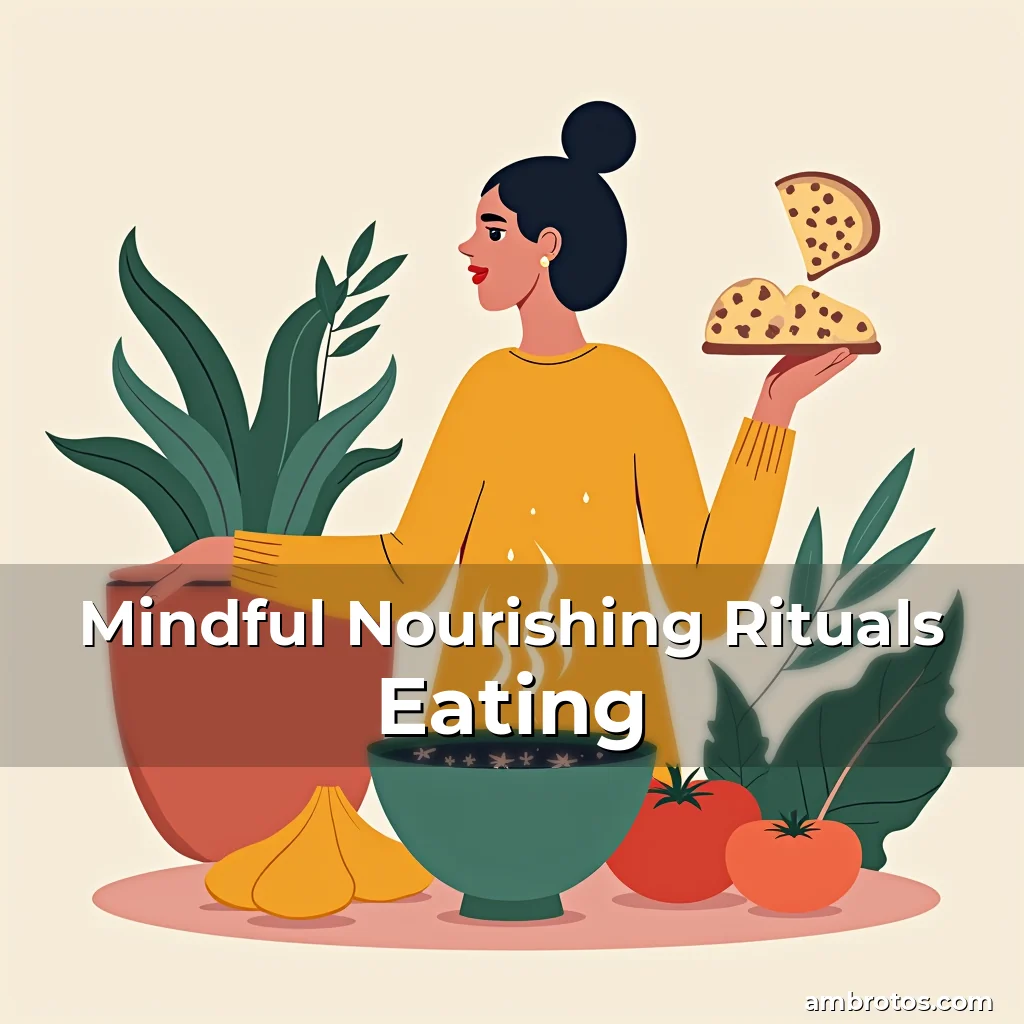
Transform ordinary meals into meaningful experiences by establishing simple yet impactful habits. Begin by designating a dedicated space free from distractions for your dining ritual.
Engage your senses fully during each meal – notice textures, colors, aromas, and sounds around you. This sensory awareness fosters deeper connection to both food and environment.
Create a pre-meal routine that signals transition into mindful consumption. This might include washing hands with intention or lighting candles to evoke calmness.
Consider implementing portion control as a form of ritualistic discipline. Using smaller plates encourages moderation while reinforcing appreciation for each morsel.
The Science Behind Mindful Eating
Research indicates that deliberate attention during meals improves digestion by triggering optimal enzyme production. A study published in the Journal of Nutrition found participants who ate slowly consumed 26% fewer calories.
Neurological studies show focused eating activates brain regions associated with pleasure and satiety. This conscious interaction creates lasting satisfaction that rushed consumption often fails to deliver.
Creating Sacred Spaces for Nourishment
Your physical environment profoundly influences the quality of your meals. Choose tableware that resonates with you – whether rustic ceramic bowls or elegant glassware – to infuse your experience with meaning.
Incorporate natural elements into your dining area to foster harmony. Fresh flowers, living plants, or stones collected during walks can transform mealtime into a meditative practice.
Pay attention to ambient factors like light and sound. Soft candlelight paired with calming music may enhance relaxation, while harsh fluorescent lights can detract from the experience.
Experiment with scents that promote tranquility. Burning lavender incense or diffusing citrus oils can subtly elevate your mood during meals.
Synchronizing With Nature’s Rhythms
Align your nourishing rituals with Earth’s cycles to deepen your relationship with the planet. Observe how daylight patterns influence your appetite and energy levels throughout the day.
Seasonal eating connects you with local harvests and supports sustainable agriculture. As spring blossoms, prioritize fresh greens; as autumn arrives, indulge in hearty root vegetables.
Create outdoor meal rituals when possible. Whether picnicking in a garden or enjoying breakfast on a balcony, immersing yourself in nature amplifies the healing power of food.
Track lunar phases as a subtle guide for meal planning. Some cultures believe full moons enhance absorption of nutrients, while new moons encourage cleansing diets.
Evidence-Based Benefits of Seasonal Eating
Studies show people who eat seasonally consume significantly higher amounts of antioxidants and phytonutrients. A University of Michigan analysis revealed 48% greater nutrient density in locally sourced produce compared to imported alternatives.
Seasonal eating reduces exposure to chemical residues commonly found in off-season crops. Research from the Environmental Working Group identifies certain fruits and vegetables with consistently high pesticide loads year-round.
Supporting local farmers’ markets strengthens regional economies and preserves traditional agricultural knowledge passed through generations.
This practice also minimizes carbon footprint from transportation emissions. Choosing nearby sources cuts average travel distance for food by approximately 72%, according to USDA data.
Integrating Spirituality Into Mealtime
Beyond physical nourishment, many traditions view food as a divine gift requiring acknowledgment. Establishing small devotional acts before meals reinforces this perspective.
Simple affirmations like “Thank you for this food, which sustains my journey” can become powerful mantras. Repeating these aloud transforms meals into prayer-like offerings.
Some find value in visual symbols representing gratitude – placing dried herbs in bowl centers or arranging dishes in circular patterns reminiscent of celestial constellations.
For those drawn to specific faiths, adapting existing blessings to contemporary contexts maintains continuity with ancestral wisdom while honoring personal beliefs.
Fostering Community Through Shared Nourishment
Collective cooking and eating rituals reinforce social connections that modern lifestyles often fragment. Hosting potluck gatherings invites diverse culinary perspectives into shared spaces.
Create family recipe exchanges to preserve heirloom traditions while discovering new flavors. Document stories behind each dish to enrich understanding of food heritage.
Community gardens serve dual purposes – growing food and building relationships. Participating in planting seasons cultivates patience and appreciation for growth processes.
Organize monthly themed dinners exploring global cuisines. This promotes cross-cultural learning while celebrating humanity’s rich gastronomic tapestry.
Psychological Impacts of Social Dining
Regular communal meals correlate strongly with improved mental health outcomes. Harvard T.H. Chan School of Public Health reports individuals sharing meals regularly exhibit lower depression rates than isolated diners.
Social interactions during meals stimulate oxytocin release, enhancing feelings of trust and belonging. This biochemical reward system makes shared feasting inherently pleasurable.
Children raised in households prioritizing family meals demonstrate better academic performance and reduced risk-taking behaviors, according to longitudinal child development studies.
Even virtual meal-sharing platforms now facilitate global connections, proving technology can support rather than replace face-to-face nourishment rituals.
Adapting Rituals for Modern Lifestyles
Urban dwellers can incorporate nourishing principles into apartment living. Designate kitchen corners for contemplation, perhaps with a small altar containing objects symbolizing abundance.
Busy professionals benefit from quick yet mindful rituals. Preparing lunch ahead allows time for reflection before eating, even amid hectic schedules.
Digital detoxes during meals help reestablish genuine human connections. Turning off devices fosters present-moment awareness and richer interpersonal engagement.
Parents can model healthy habits by involving children in meal preparation. Teaching kids to appreciate ingredients through tasting sessions nurtures lifelong nutritional literacy.
Overcoming Common Challenges
Time constraints frequently hinder consistent ritual practice. Prioritize micro-rituals – setting intentions before snacks or pausing briefly after meals to acknowledge gratitude.
Financial limitations shouldn’t deter participation. Focus on affordable whole foods and creative reuse of leftovers through inventive recipes.
Sociocultural pressures toward speed-eating require gentle resistance. Remind oneself that slowing down isn’t laziness but self-care investment.
Those struggling with anxiety around food can start with non-negotiable basics – choosing organic produce gradually rather than attempting complete overhaul overnight.
Future Trends in Nourishing Practices
Eco-conscious consumers increasingly seek regenerative farming partnerships. Supporting farms practicing soil restoration techniques aligns dietary choices with planetary health.
Virtual reality technologies now enable immersive dining experiences. Digital environments replicate serene landscapes, augmenting the sensory dimension of nourishment rituals.
Biophilic design principles are influencing restaurant architecture globally. Open-air kitchens and indoor greenery create harmonious settings for communal meals.
Advances in microbiome research suggest personalized microbial profiles may soon inform customized nourishment protocols, tailoring rituals to individual gut health needs.
Conclusion
Nourishing rituals offer timeless solutions to modern disconnection. By weaving intentionality into everyday eating, we reclaim agency over our most fundamental biological function.
Begin with small experiments – dedicate five minutes before each meal to silent observation of your food. Over time, these moments compound into transformative patterns of awareness and appreciation.

news is a contributor at Ambrotos.com. We are committed to providing well-researched, accurate, and valuable content to our readers.
You May Also Like