Ancient Botanical Blends for Vitality: Unveiling Timeless Secrets of Herbal Alchemy
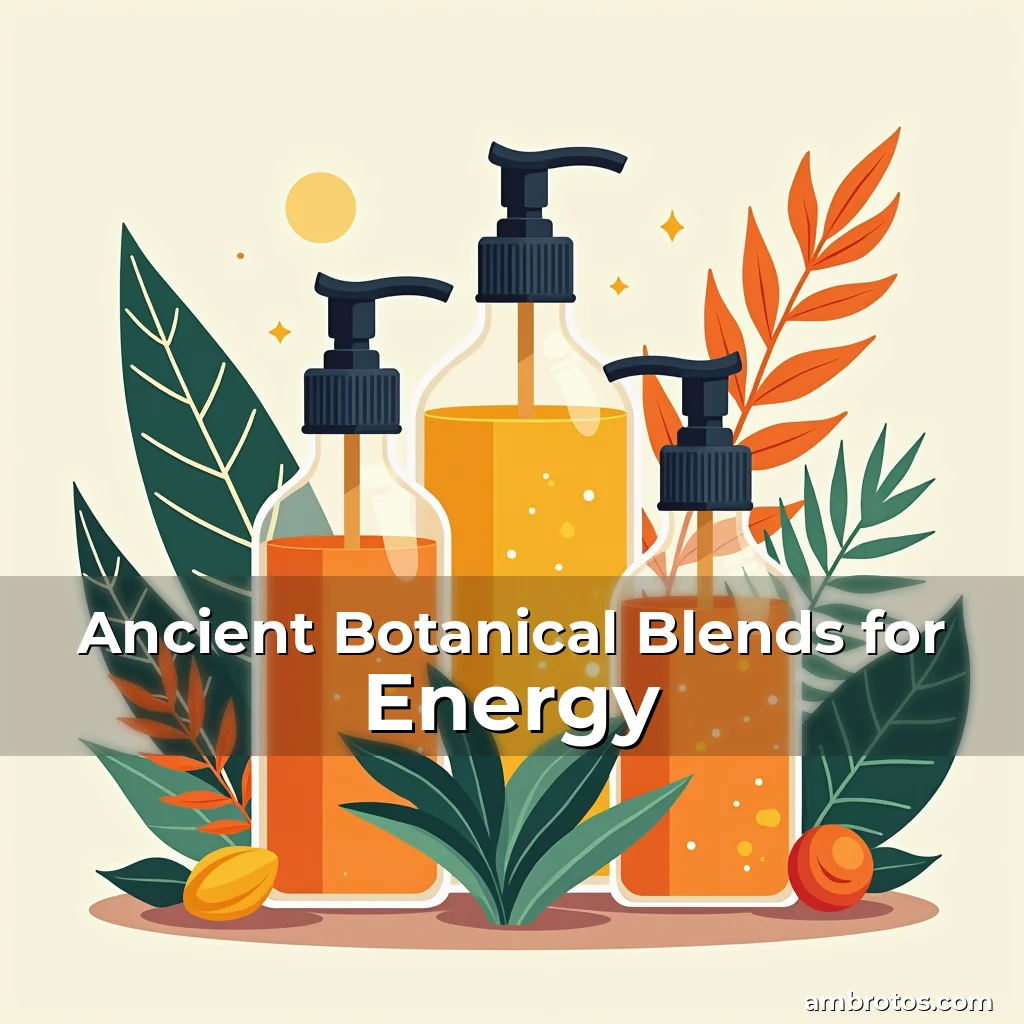
In the heart of human history lies a treasure trove of natural remedies known as ancient botanical blends. These carefully curated combinations of herbs, resins, roots, and flowers were crafted by civilizations spanning millennia, from Mesopotamian apothecaries to Amazonian shamans. Their purpose? To harness nature’s power for vitality, protection, and holistic well-being.
The resurgence of interest in these forgotten elixirs reflects a growing desire to reconnect with ancestral wisdom in our fast-paced world. Whether used for energy, mental clarity, or physical resilience, ancient botanical blends offer lessons in balance and intentionality that remain profoundly relevant today.
Origins of Ancient Botanical Blends Across Cultures
The roots of ancient botanical blends stretch deep into antiquity, shaped by the landscapes, beliefs, and survival needs of early societies. In Mesopotamia, Sumerians documented plant-based treatments on clay tablets, blending myrrh and frankincense to purify spaces and heal wounds. Meanwhile, Egyptian priests combined sacred oils with crushed spices to
In Hindu epics, Lord Shiva is said to drink the nectar of immortality (Amrita), created by churning the cosmic ocean alongside deities and demons. While allegorical, this narrative parallels real-world experiments with adaptogens like ashwagandha and rhodiola rosea, which are still celebrated for their ability to enhance endurance and resilience.
- Norse Lore: Yew trees were considered sacred, with their toxic properties paradoxically linked to protective magic against death.
- Hindu Myth: Amrita’s creation symbolizes the pursuit of eternal youth, mirroring modern interest in longevity supplements.
- Greek Tragedy: The story of Medea illustrates the duality of botanical power—her potions could cure or kill depending on intent.
- Chinese Folktales: Dragons were believed to guard mountain groves containing rare herbs capable of bestowing supernatural abilities.
Preservation Challenges: Lost Recipes and Fragile Knowledge
Despite their cultural richness, many ancient botanical blends face the risk of extinction due to fading oral traditions and destroyed archives. The Library of Alexandria’s destruction wiped out countless volumes detailing Greco-Egyptian herbal compendiums, while wartime looting has decimated indigenous pharmacopoeias in Central America and Southeast Asia.
Compounding this issue, climate change threatens native habitats where key ingredients once thrived. The Himalayan blue poppy, used in Tibetan medicine for pain relief, is becoming increasingly scarce due to glacial retreat. Without sustainable cultivation efforts, some of these irreplaceable resources may vanish forever.
Reviving Forgotten Formulas Through Archaeobotany
Luckily, archaeologists are working to recover lost botanical knowledge. Analysis of residues inside Roman-era ceramic vessels revealed traces of valerian root and chamomile, confirming their use in sleep aids. Similarly, scanning ancient scrolls preserved in dry climates has uncovered formulae for Egyptian eye salves containing crocodile dung and lead oxide—an unsettling yet fascinating glimpse into past medical practices.
Digital archiving projects now digitize thousands of pre-modern texts, making them accessible globally. Initiatives like the Digital Sanskrit Buddhist canon include complete translations of Ayurvedic manuals, allowing modern scientists to test hypotheses about plant interactions proposed centuries ago.
Modern Applications: Bridging Past and Present
Today’s wellness industry draws heavily from ancient botanical blends, though commercialization sometimes dilutes their original intent. High-end perfumers recreate historic scents, such as Cleopatra’s famed perfume made from myrrh, galbanum, and roses. Meanwhile, functional food companies market “adaptogenic” beverages featuring ashwagandha and reishi mushroom extracts, echoing Ayurvedic traditions.
However, ethical considerations arise when repackaging ancient knowledge. Indigenous communities often criticize corporations for profiting from their intellectual property without consent or compensation. Responsible innovation must prioritize collaboration, transparency, and fair trade agreements with source populations.
- Perfume Revival: Historical fragrance reconstructions require meticulous analysis of organic molecules trapped in wax seals and pottery shards.
- Functional Foods: Fermented probiotic drinks like kefir originated in the Caucasus Mountains, later adapted into global superfood markets.
- Skincare Innovations: Jade rollers used in Han Dynasty beauty routines are being reinvented with microneedling technology for enhanced absorption.
- Educational Efforts: Universities now teach courses comparing Hippocratic humoral theory with modern endocrinology to bridge historical gaps.
The Future of Botanical Wisdom: Education and Sustainability
As demand grows for authentic herbal experiences, education becomes crucial. Online platforms now offer virtual workshops on recreating ancient blends, teaching participants to identify wild-harvested ingredients and avoid overexploitation. Apps track seasonal availability of plants, helping users make informed choices about sustainability.
Community-led conservation projects also play a vital role. In Madagascar, local cooperatives cultivate vanilla sustainably, preserving both biodiversity and economic livelihoods. Similar models exist in India, where small-scale farmers grow tulsi (holy basil) for domestic and export markets without harming ecosystems.
Integrating Traditional Ecological Knowledge Into Modern Practice
Scientists are increasingly recognizing the value of indigenous ecological knowledge. Aboriginal Australians’ use of eucalyptus oil to repel insects has inspired eco-friendly repellent development. Likewise, Andean farmers’ rotational planting systems mimic ancient agricultural wisdom, reducing soil degradation and promoting crop diversity.
By integrating these practices with biotechnology, we can address pressing issues like antibiotic resistance. Researchers are exploring compounds in Manuka honey, once used by Maori tribes, for new antimicrobial therapies. This fusion of old and new ensures that ancient botanical blends continue evolving without losing their core integrity.
Conclusion
Ancient botanical blends represent a confluence of science, artistry, and spirituality that transcends time. From the incense-filled temples of Pharaohs to the monastic gardens of medieval Europe, these creations speak to a shared human quest for harmony with nature. As we revisit them today, we honor not only their medicinal virtues but also the cultures that gave rise to them.
To engage with these timeless elixirs respectfully means embracing both curiosity and responsibility. Whether crafting a simple infusion or delving into historical texts, let us approach ancient botanical blends with reverence—for in their fragrant whispers lie secrets waiting to be rediscovered.

news is a contributor at Ambrotos.com. We are committed to providing well-researched, accurate, and valuable content to our readers.
You May Also Like