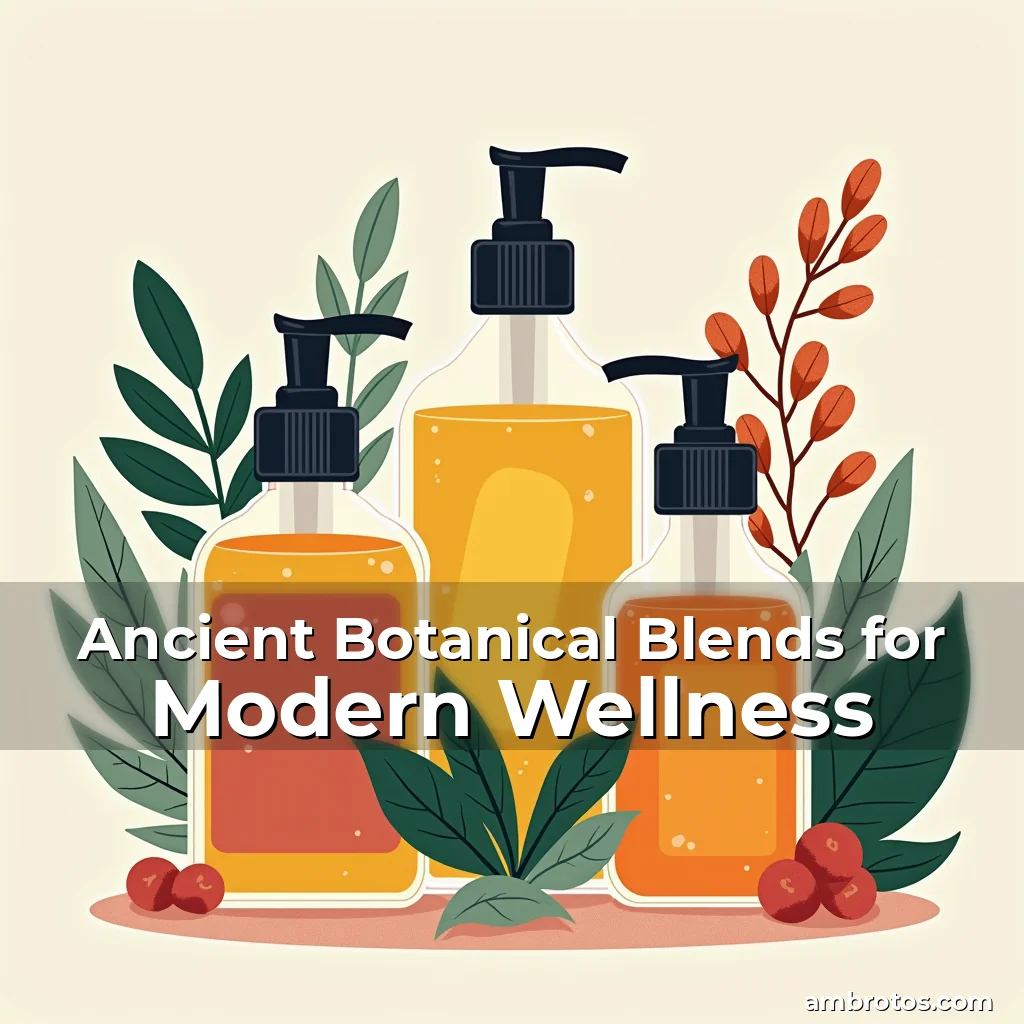
Ancient Botanical Blends for Modern Wellness
In an age dominated by synthetic remedies, ancient botanical blends offer a profound connection to nature’s healing wisdom. These traditional formulations have been crafted over millennia by cultures around the world, each infused with purposeful combinations of plants that address physical, emotional, and spiritual well-being.
The resurgence of interest in these natural concoctions reflects a growing desire among modern individuals to reconnect with time-honored practices while seeking holistic health solutions. As we explore their origins, ingredients, and benefits, we uncover how they continue to inspire contemporary wellness approaches today.
Origins of Ancient Botanical Blends
Hundreds of years before the advent of modern pharmacology, civilizations across Asia, Africa, Europe, and the Americas developed intricate systems of herbal medicine rooted in empirical knowledge passed down through generations. These early practitioners observed the effects of various plant compounds on human physiology and mental states, refining their methods through trial and error, intuition, and cultural traditions.
Egyptians were pioneers in documenting medicinal plant use as early as 2900 BCE, recording formulas on papyrus scrolls. Meanwhile, Traditional Chinese Medicine (TCM), dating back to at least 2000 BCE, employed complex synergies between herbs, minerals, and animal products to restore balance within the body’s energy pathways known as meridians.
Sanskrit texts from India, such as the Charaka Samhita and Sushruta Samhita, provide some of the earliest written evidence of systematic herbology principles, categorizing plants based on taste profiles, energetic properties, and therapeutic functions. This foundational work laid the groundwork for Ayurveda, which continues to influence global alternative medicine practices today.
In Mesoamerica, indigenous communities cultivated extensive botanical knowledge long before European contact. The Maya civilization utilized cacao, vanilla, and chili pepper mixtures not only for culinary purposes but also for ceremonial rituals believed to enhance spiritual clarity and strength during significant life events.
- Cultures worldwide independently discovered similar patterns in plant interactions despite geographical separation.
- This cross-cultural convergence suggests inherent biological truths underlying many herbal formulations used globally today.
- Traditional healers relied heavily on oral transmission rather than written documentation to preserve vital knowledge through centuries.
Foundational Ingredients of Timeless Formulas
The efficacy of ancient botanical blends stems largely from their carefully selected components—each ingredient contributing uniquely to the overall effect. Understanding these core elements helps us appreciate why certain combinations persisted across different cultures and eras without losing potency.
Mint species played crucial roles in numerous regions due to their cooling properties and digestive benefits. In Greece, for instance, peppermint was incorporated into purification rituals, symbolically cleansing both body and spirit prior to sacred ceremonies. Similarly, Indian Ayurvedic tradition recommends tulsi (Holy Basil) for its adaptogenic qualities that support stress resilience and immune function.
Bitter herbs such as gentian root, dandelion leaf, and wormwood were commonly paired together to stimulate digestion and detoxification processes. Their combined action helped regulate metabolic functions while enhancing nutrient absorption from food sources—an essential consideration in pre-industrial societies where diets often lacked diversity.
Resin-based substances like frankincense and myrrh featured prominently in religious ceremonies as well as medicinal treatments. These aromatic balsams possessed antimicrobial characteristics that aided wound healing when applied topically. Internally consumed, they were valued for reducing inflammation and promoting respiratory tract clearance.
Fermented plant extracts represented another powerful category within ancient apothecaries’ repertoires. Fermentation enhanced bioavailability of active constituents while creating new chemical compounds through microbial transformation—a process now recognized scientifically as biotransformation.
Spices such as ginger, turmeric, cinnamon, and black pepper weren’t merely flavor enhancers; they formed integral parts of healing traditions across continents. Ginger’s warming thermoregulatory effects made it indispensable during cold seasons, whereas turmeric’s curcumin content became widely appreciated later for its anti-inflammatory capabilities.
Methodologies Behind Herbal Preparation
To achieve optimal results from botanical preparations, ancient cultures adhered to meticulous preparation techniques refined over generations. These methodologies ranged from simple infusion methods to sophisticated alchemical transformations involving heat manipulation, fermentation control, and distillation processes.
Dried herbs were typically rehydrated using hot water to extract soluble compounds effectively. Decoction methods required longer boiling times specifically designed for tough plant materials like roots and bark containing less readily available nutrients compared to leaves or flowers.
Tincturing involved steeping crushed botanical matter in high-proof alcohol (such as brandy or vodka) for several weeks until potent concentrated solutions formed—these liquid extracts preserved volatile oils better than aqueous infusions could manage alone.
Oil maceration served dual purposes: protecting skin against environmental irritants while delivering transdermal medication delivery system suitable for treating external conditions ranging from eczema to muscular pain relief applications.
Smoking certain dried herbs allowed inhalation routes targeting respiratory ailments quickly though care had to be taken regarding dosage amounts since excessive exposure might lead adverse reactions depending upon individual sensitivities.
Cultural Significance and Ritualistic Uses
Ancient botanical blends transcended mere medicinal functions—they held deep cultural significance embedded within societal structures. From initiation rites marking transitions between life stages to protective charms warding off misfortune, these mixtures occupied central places within ritualistic frameworks shaping communal identities.
Among Native American tribes, sweat lodge ceremonies incorporated white sage bundles burned to purify spaces energetically before conducting healing sessions. The smoke produced was considered spiritually cleansing capable of banishing negative energies residing within people or environments alike.
In Tibetan Buddhist monasteries, butter lamps fueled with clarified yak ghee mixed with precious resins created sacred atmospheres conducive meditation experiences. Specific fragrances associated particular deities enabling devotees connect more intimately divine presences through olfactory stimulation.
Chinese Taoist immortality seekers consumed elaborate tonics formulated according to astrological alignments believing timing determined effectiveness significantly. Ingredients chosen matched planetary positions calculated precisely ensuring maximal harmonization cosmic forces working upon practitioner’s bodies simultaneously.
Rituals performed under full moon phases carried special importance particularly those concerning women’s health matters owing lunar cycles governing menstrual rhythms naturally. Plants harvested accordingly retained stronger affinity towards balancing female hormonal fluctuations effectively.
Evidence-Based Insights Into Historical Effectiveness
Modern scientific research increasingly validates historical claims regarding efficacy of ancient botanical blends. By analyzing archaeological remnants alongside textual records scientists reconstruct past medical practices revealing surprising correlations between traditional usage patterns emerging pharmacological discoveries recently made.
Studies examining Egyptian Ebers Papyrus documents confirm presence multiple compounds still utilized pharmaceutical industry today including willow bark (source aspirin precursor salicylic acid), castor oil (used laxative agent), and honey (recognized antibiotic property). These findings demonstrate continuity effective treatment strategies spanning thousands years uninterrupted.
Genomic analyses comparing wild versus domesticated varieties show selective breeding influenced potency levels significantly. For example, modern cannabis strains contain higher concentrations cannabinoids due targeted cultivation efforts unlike original hemp types once solely employed textile production without recreational implications whatsoever.
Linguistic studies trace etymological links between plant names languages highlighting shared understanding herbal attributes across disparate cultures. Words describing bitterness sweetness sourness retain consistent meanings suggesting universal recognition sensory experiences tied healing potentials respectively.
Archaeobotanical digs reveal storage facilities dedicated preserving medicinal specimens indicating organized systems management inventory items necessary regular access whenever needed regardless seasonality limitations imposed growth cycles native flora.
Adaptation Of Ancient Wisdom Into Contemporary Practices
As global awareness expands regarding sustainability issues facing planet Earth renewed emphasis placed reviving ecological integrity through responsible sourcing local produce whenever possible. Many grassroots movements advocate returning agricultural heritage emphasizing biodiversity preservation instead mass monoculture farming models dominating industrialized nations currently.
Urban dwellers embracing slow living philosophies seek reconnecting primal connections found wilderness through cultivating microgreens hydroponic setups apartments attaining fresh organic supplies right doorstep eliminating carbon footprints generated conventional supply chains relying fossil fuel transportation infrastructure.
Healthcare professionals integrating complementary therapies alongside Western biomedical models recognize value multidisciplinary approach addressing patient needs holistically rather focusing isolated symptoms treatable single intervention method alone. This paradigm shift encourages exploring synergistic potential combining proven scientific methodologies ancient intuitive knowledge beneficial outcomes.
Pioneering researchers investigating epigenetics observe environmental influences modifying gene expression suggesting ancestral memory encoded DNA sequences may activate latent abilities inherited traits dormant periods awaiting appropriate stimuli triggering developmental changes reminiscent primordial capacities lost modern lifestyles.
Technological advancements enable digitizing vast repositories ethnobotanical information making accessible remote locations previously disconnected digital divide hindering knowledge exchange international collaboration opportunities expanding collective understanding humanity’s relationship flora resources.
Preserving And Passing On Knowledge Through Generations
Maintaining continuity lineage requiring deliberate efforts transmitting experiential wisdom tangible forms. Oral storytelling remains primary medium conveying nuanced aspects subtle intricacies surrounding medicinal applications beyond basic identification classifications simply cataloging species occurrences geographic distribution.
Digital archives preserving endangered languages critical step safeguarding lexicons encapsulate unique botanical terminologies potentially disappearing permanently without documented records. Audiovisual recordings interviews elder practitioners ensure voices echoing future generations learning paths navigating complexities maintaining authenticity respecting traditional protocols established ancestors long ago.
Hands-on apprenticeship programs offering immersive learning experiences cultivate deep appreciation craftsmanship behind producing authentic remedies. Such mentorship fosters intergenerational bonds reinforcing social cohesion strengthening community ties through shared activities celebrating heritage identities proudly.
Community gardens serve dual functions promoting public education while simultaneously nurturing green spaces replenishing ecosystems depleted urban landscapes. They become hubs cultural exchanges facilitating cross-pollination ideas innovations bridging gaps between diverse populations united common goal fostering sustainable living environments benefiting everyone equitably.
Legislative measures protecting indigenous intellectual property rights essential acknowledging contributions made development healthcare field ensuring fair compensation recognizing stewardship responsibilities entrusted managing fragile biological networks sustaining life on earth itself.
Conclusion
Ancient botanical blends represent a treasure trove of accumulated knowledge waiting rediscovery integration modern existence. Their enduring appeal lies ability bridge temporal divides connecting past present through unbroken thread woven from countless hands worked tirelessly refine perfect formulations over centuries.
By valuing and applying this rich legacy responsibly, we honor our forebears who navigated uncertainties trusting innate intelligence nature. Let us continue evolving mindful custodians perpetuating timeless gifts received from Mother Earth toward healthier futures collectively embracing possibilities ahead collaboratively。

news is a contributor at Ambrotos.com. We are committed to providing well-researched, accurate, and valuable content to our readers.
You May Also Like