The Timeless Influence of Nature in Beauty Rituals
In an age where synthetic ingredients dominate shelves and lab-made formulas reign supreme, there’s been a remarkable resurgence in beauty practices that draw from the natural world. From ancient civilizations to modern wellness movements, people have always turned to flora, fauna, and earth elements for their skincare and grooming needs.
This growing interest in nature-inspired beauty isn’t merely nostalgic—it represents a conscious shift toward holistic well-being. As consumers become more aware of environmental impact and personal health, they’re seeking products that align with both values while delivering effective results.
The Roots of Natural Beauty Practices
Humans have long understood the healing properties of plants before science gave them names. Ancient Egyptians used honey as a moisturizer, while Chinese emperors famously employed pearl powder for its skin-brightening effects. These early innovations laid the foundation for today’s natural beauty industry.
Cultures around the world developed unique traditions based on local resources. Indigenous tribes across Africa and South America crafted remedies using native herbs, fruits, and minerals. Their knowledge systems were passed down through generations until recent times when scientific validation began confirming these traditional uses.
- Kava root: Used by Pacific Island communities for centuries to create calming body oils and bath infusions
- Ayurvedic turmeric: A staple in Indian skincare routines known for its anti-inflammatory and brightening properties
These ancestral techniques weren’t just about aesthetics—they addressed real physical concerns. Many natural substances contained antimicrobial compounds that protected against infections, while others provided essential nutrients for healthy skin maintenance.
The transition from ritualistic use to commercialized products happened gradually. During the late 19th century, chemists started isolating active components from botanical sources, paving the way for standardized formulations that retained nature’s benefits without relying solely on whole plant extracts.
Modern Revival of Botanical Ingredients
Today’s beauty market is witnessing an unprecedented boom in natural ingredient usage. According to a 2023 report by Grand View Research, the global organic cosmetic market size was valued at USD 18.6 billion in 2022 and is expected to grow at a compound annual growth rate of 9.4% from 2023 to 2030.
This surge can be attributed to several factors. Consumers are increasingly concerned about chemical expo” Simultaneously, brands recognize the marketing potential of sustainability claims and are investing heavily in green product development.
Sustainable Sourcing Challenges
While demand for natural ingredients has increased dramatically, so have challenges related to ethical sourcing. Certain rare plants face overharvesting threats due to high demand, raising concerns about biodiversity loss and habitat destruction.
Organizations like the Rainforest Alliance and FairWild Foundation work with suppliers to ensure responsible harvesting practices. Certified sustainable ingredients help maintain ecological balance while supporting indigenous communities who traditionally cultivate these resources.
A case study from Brazil illustrates this issue perfectly. The Amazon rainforest contains thousands of medicinal plants, yet unregulated collection threatens entire ecosystems. Companies partnering with local tribes not only preserve habitats but also provide fair wages and cultural preservation opportunities.
Transparency in supply chains has become crucial. Leading beauty brands now disclose origin information on packaging and websites, allowing customers to make informed choices aligned with their values.
Science Behind Nature-Inspired Formulations
Advancements in biotechnology have enabled researchers to extract and replicate beneficial compounds found in plants without destroying entire organisms. Techniques like supercritical CO₂ extraction allow precise isolation of active molecules while preserving their potency.
For example, rosehip oil contains high concentrations of vitamins C and E along with omega fatty acids—nutrients that promote collagen production and skin regeneration. Modern processing methods concentrate these elements efficiently, creating potent serums and creams that deliver targeted benefits.
Laboratories are also developing bio-synthetic alternatives that mimic natural processes. Fermentation technology produces probiotics similar to those found in fermented foods, offering prebiotic support for skin microbiomes without requiring animal-derived cultures.
Such innovations bridge the gap between tradition and modernity. They enable formulation of products that respect planetary boundaries while maintaining effectiveness standards demanded by discerning consumers.
Diverse Applications Across Beauty Categories
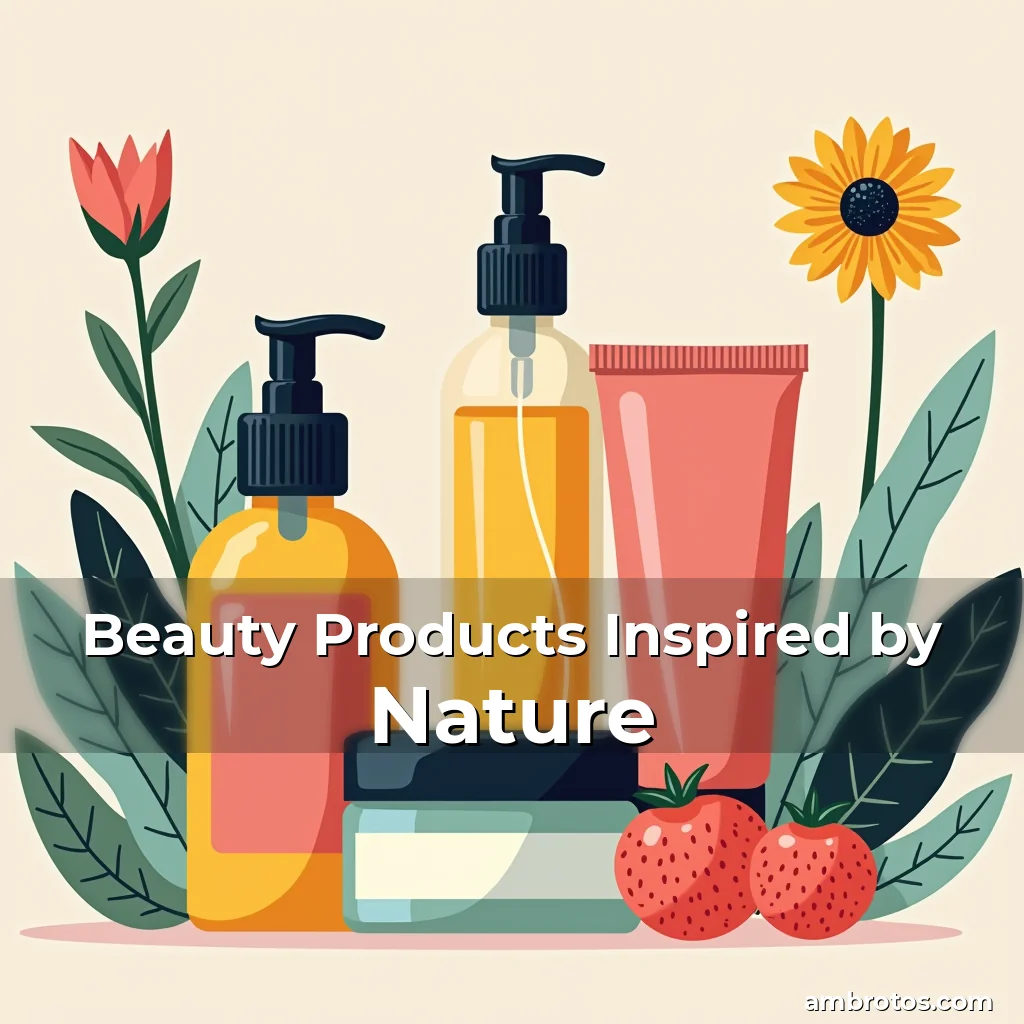
Nature-inspired ingredients find applications beyond skincare. Hair care products utilize shea butter for moisture retention, while makeup incorporates mineral pigments derived from crushed gemstones and clays. Even fragrance creation draws heavily from botany, with perfumers studying plant essences to craft complex scent profiles.
The versatility of natural materials allows for creative expression within each category. For instance, charcoal from activated bamboo filters toxins in facial cleansers, whereas bentonite clay provides deep cleansing action in masks. These functional ingredients often come with additional sensory benefits like texture and aroma.
In hair styling, aloe vera serves dual purposes—as a heat protectant and hydration booster. Its cooling effect makes it particularly popular during hot summer months when damage risk increases significantly.
Beyond practical functions, many natural ingredients contribute aesthetic qualities. Crushed flowers add visual appeal to lip balms and lotions, while infused oils enhance the luxurious feel of massage treatments and body scrubs.
Eco-Friendly Packaging Innovations
The push towards sustainability extends beyond ingredient selection to packaging solutions. Traditional plastic containers pose significant environmental hazards, prompting companies to explore alternative materials that reduce waste and carbon footprint.
Biodegradable options include paper-based tubes coated with compostable waxes, glass jars that can be reused indefinitely, and metal tins suitable for recycling programs. Some brands even offer refill stations where customers bring empty containers to replenish their favorite products sustainably.
Pioneering firms are experimenting with innovative designs that minimize material use without compromising quality. Refillable bottles made from recycled plastics cut down on single-use waste, while minimalist packaging reduces transportation emissions associated with bulky boxes.
Consumers play a vital role in this movement by choosing brands committed to eco-conscious initiatives. Demand drives change, encouraging manufacturers to adopt greener practices across every aspect of production—from raw material procurement to final product distribution.
Cultural Significance and Global Traditions
Natural beauty rituals hold profound cultural significance worldwide, reflecting historical connections between humans and their environments. In Japan, cherry blossom petals once symbolized transience; today they appear in seasonal skincare collections celebrating ephemeral beauty ideals.
Across North Africa, argan oil remains central to women’s daily routines, valued not only for its nourishing properties but also as a source of economic empowerment for Berber communities. Similar stories exist in India with sandalwood paste, which holds religious importance alongside its dermatological benefits.
These traditions highlight how beauty intersects with identity and heritage. When individuals incorporate naturally sourced products into their regimens, they participate in living histories that connect past wisdom with present-day self-care practices.
Globalization has facilitated cross-cultural exchange, leading to hybrid approaches that blend diverse influences. Western markets now feature ayurvedic-inspired toners, while African-inspired hair oils gain popularity among international audiences eager to discover new textures and scents.
Finding Authentic Natural Products
With so many options available, identifying genuinely natural products requires careful consideration. Certifications such as USDA Organic, Ecocert, and Leaping Bunny indicate rigorous testing protocols ensuring safety and efficacy standards are met.
Reading labels carefully reveals key indicators: look for terms like ‘certified organic,’ ‘cold pressed,’ or ‘wild harvested.’ Avoid products containing parabens, sulfates, or artificial fragrances unless specifically noted as safe alternatives.
Supporting small businesses that prioritize transparency helps build trust in the marketplace. Independent artisans often share detailed information about sourcing practices, cultivation methods, and ethical labor conditions—all critical aspects of authentic natural beauty offerings.
Community engagement plays an essential role too. Joining online forums or attending workshops led by experts can deepen understanding of what constitutes truly sustainable and effective natural cosmetics.
Challenges and Misconceptions About Natural Beauty
Despite its advantages, the natural beauty sector faces criticism regarding shelf life and consistency issues compared to conventional products. Pure plant extracts may oxidize faster than stabilized chemical counterparts, affecting longevity and performance.
Misinformation sometimes leads to unrealistic expectations. While natural ingredients offer numerous benefits, they aren’t universally superior—certain clinical treatments remain irreplaceable for severe dermatological conditions.
There exists confusion between ‘natural’ and ‘organic’ labeling. Although related concepts, these terms don’t guarantee identical standards across regions or industries. Understanding nuances ensures better-informed purchasing decisions.
To address these challenges, ongoing research focuses on improving preservation techniques and enhancing stability of botanical compositions. Collaborative efforts between scientists and herbalists aim to develop next-generation formulas combining best-of-both-worlds principles.
The Future of Nature-Inspired Beauty
As climate change accelerates and resource scarcity becomes more pronounced, the future of beauty lies in innovation grounded in ecological responsibility. Researchers are exploring regenerative agriculture models that restore soil health while cultivating premium botanicals.
Emerging technologies promise breakthroughs in personalized skincare through DNA analysis and microbial profiling. Imagine custom formulations tailored precisely to your genetic profile, using locally sourced ingredients adapted to regional climates and ecologies.
Education will continue playing a pivotal role in shaping consumer behavior. Schools incorporating sustainability topics into curricula empower younger generations to make environmentally conscious choices from an early age.
Ultimately, embracing nature-inspired beauty means recognizing our interconnectedness with the planet. By honoring traditional knowledge while advancing scientific discovery, we pave the way for a healthier, more harmonious relationship between humanity and the environment.
The journey ahead involves continuous learning, adaptation, and above all, respect—for ourselves, for each other, and most importantly, for the incredible world we inhabit together.
“`

news is a contributor at Ambrotos.com. We are committed to providing well-researched, accurate, and valuable content to our readers.
You May Also Like