Discovering Serenity: How Natural Elements Transform Modern Living Spaces
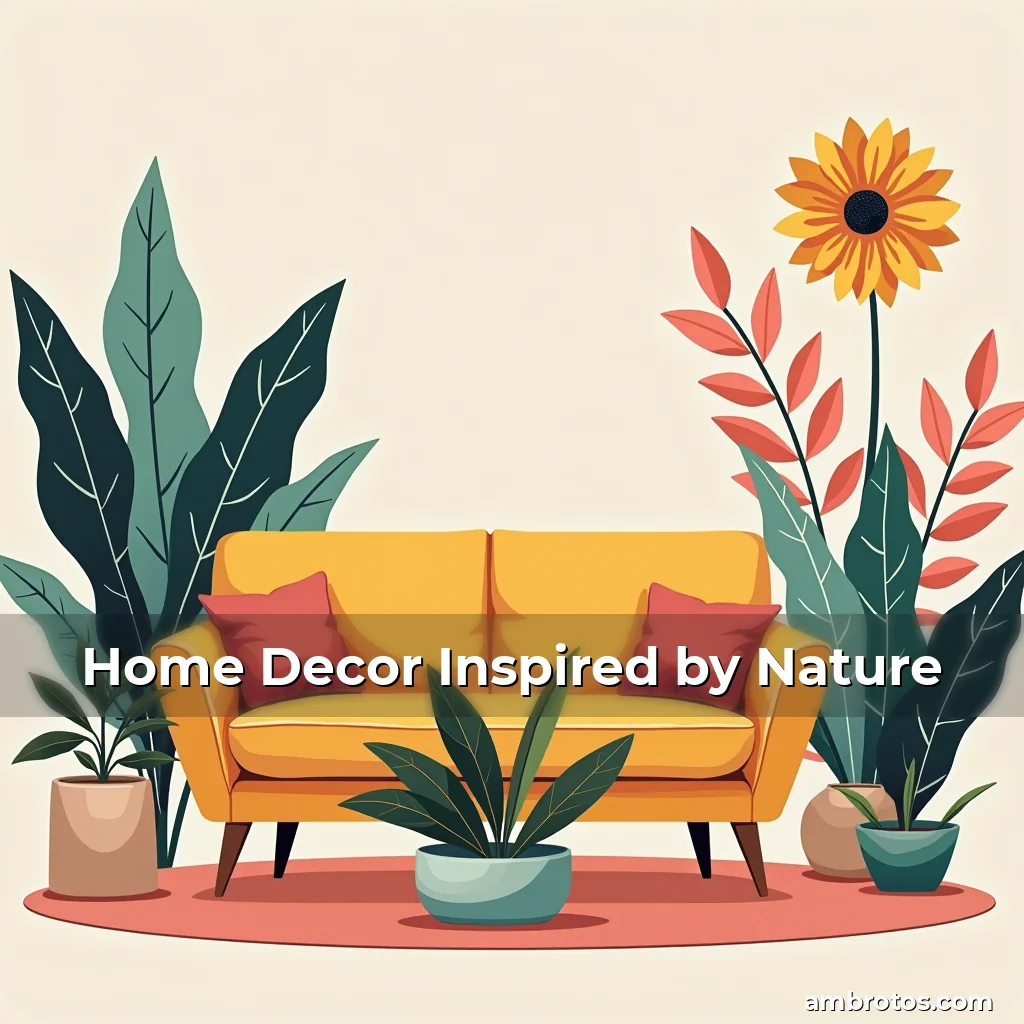
In an age where urban living often disconnects us from the natural world, there’s been a remarkable resurgence in incorporating elements inspired by nature into our homes. This movement isn’t merely aesthetic; it reflects a deeper yearning for balance between modern life and organic simplicity.
The trend of infusing home decor with natural influences has evolved beyond mere decoration. It represents a conscious choice to create environments that promote well-being through connection with the earth’s rhythms and patterns.
Biomimicry in Interior Design
Biomimicry principles have found their way into interior design practices across the globe. By studying how organisms solve problems in their ecosystems, designers are creating spaces that mimic these solutions while maintaining functionality.
This approach goes beyond simple imitation. For example, architects might study termite mounds’ ventilation systems to develop energy-efficient cooling strategies within residential buildings.
One notable application is the use of leaf-like structures in lighting fixtures. These designs not only resemble botanical forms but also optimize light distribution similar to how leaves channel sunlight.
- Self-cooling systems: Inspired by animal adaptations, these mechanisms reduce reliance on artificial climate control without sacrificing comfort.
- Eco-friendly materials: Using biodegradable substances derived from plants helps minimize environmental impact while enhancing visual appeal.
The Power of Botanical Patterns
Botanical motifs continue to dominate contemporary design trends. From intricate floral prints to minimalist plant silhouettes, these patterns bring vibrancy and warmth to any space.
Modern interpretations of traditional botany include abstract representations that capture the essence of flora rather than replicating them exactly. This allows for creative freedom while still honoring natural aesthetics.
Historical Influences on Botanical Designs
During the Victorian era, elaborate botanical illustrations were common features in parlors and studies. These weren’t simply decorative items but served as educational tools showcasing exotic species discovered during explorations.
Today’s digital age offers new ways to incorporate historical botanical artistry through high-resolution reproductions available at affordable prices. This accessibility makes vintage-style decorations widely attainable for modern interiors.
Natural Materials Revolutionizing Home Furnishings
The shift towards sustainable living has significantly influenced material choices in home furnishings. Consumers now prioritize eco-conscious options that reflect both style and responsibility.
Rattan furniture, once considered outdated, has experienced a revival due to its durability and ability to blend seamlessly with various décor styles. Its woven texture adds tactile interest and visual depth to rooms.
Bamboo flooring provides another excellent example of this trend. Known for its strength and rapid regrowth cycle, bamboo becomes a preferred alternative to slower-growing hardwoods without compromising quality.
- Cork surfaces: Harvested sustainably from tree bark without harming the plant itself, cork offers softness underfoot along with thermal insulation properties.
- Linen textiles: Made from flax fibers, linen fabric breathes better than synthetic alternatives making it ideal for bedding and upholstery fabrics.
Biophilic Design Principles in Action
Biophilic design integrates nature deeply into built environments. This philosophy acknowledges humans’ intrinsic need to connect with natural elements for psychological well-being.
Implementing biophilic design doesn’t require vast outdoor spaces. Simple additions like indoor gardens or strategically placed windows can dramatically enhance mood and productivity levels indoors.
Research indicates that exposure to greenery improves concentration spans and reduces stress hormones such as cortisol. Incorporating even small amounts of vegetation contributes positively toward mental health benefits.
Sustainable Textiles and Fabrics
The fashion industry’s move towards sustainability extends naturally into home textile markets. Organic cotton, hemp, and recycled polyester are becoming standard offerings among ethical brands.
These materials offer numerous advantages over conventional counterparts including reduced water consumption during production processes and lower carbon footprints associated with manufacturing cycles.
Choosing textiles made from renewable resources supports circular economy models which aim to eliminate waste through recycling programs and responsible disposal methods.
Earthen Tones and Color Psychology
Color theory plays a crucial role in designing spaces that feel connected to nature. Earthy tones evoke feelings of stability, grounding, and calmness—qualities essential for restful sleep and focused work sessions.
Terracotta hues, ochre shades, and muted greens help establish harmony within a room by mimicking colors found in landscapes around us. These palettes encourage relaxation and foster tranquility.
When used thoughtfully, warm neutrals serve as perfect backdrops allowing other natural elements to stand out effectively. They provide versatility enabling easy transitions between different seasonal themes.
Integrating Water Features Into Interiors
While traditionally reserved for exterior landscaping projects, water features are gaining popularity inside homes too. Fountains, aquariums, and misting systems add soothing sounds and refreshing ambiance.
Indoor fountains come in various sizes suitable for different living areas—from compact desktop units to larger wall-mounted installations that double as room dividers.
Aquariums benefit not only visually but also contribute scientifically proven improvements in air quality via photosynthesis performed by aquatic plants housed within tanks.
The Role of Light in Nature-Inspired Design
Nature teaches us about effective illumination techniques through observation of daylight patterns throughout seasons. Mimicking these changes enhances spatial perception and emotional responses within enclosed environments.
Using layered lighting approaches mirrors how sunlight filters differently depending on time-of-day conditions outdoors. Combining ambient task lights with accent illuminations creates dynamic yet comfortable atmospheres.
Smart lighting systems allow homeowners greater control over brightness levels and color temperatures ensuring optimal visibility while preserving circadian rhythm regulation linked closely with healthy lifestyle habits.
Creating Outdoor Living Areas That Extend Your Space
Outdoor living spaces extend the boundaries of your home by providing additional functional zones that remain connected to natural surroundings. Patios, terraces, and decks become extensions of indoor living when designed appropriately.
Properly planned exteriors maintain continuity with interior design schemes using matching color palettes and complementary textures. This seamless transition fosters a sense of openness and fluidity between indoor-outdoor realms.
Adding pergolas covered with climbing vines transforms flat surfaces into lush vertical gardens adding dimensionality and privacy simultaneously without obstructing views entirely.
Conclusion
The integration of nature-inspired elements into home decor transcends superficial aesthetics—it establishes meaningful connections between inhabitants and their environment promoting overall wellness.
By embracing biomimetic innovations alongside traditional ecological wisdom we can craft living spaces that nurture both people and planet alike ensuring future generations inherit beautiful habitats worthy of admiration.

news is a contributor at Ambrotos.com. We are committed to providing well-researched, accurate, and valuable content to our readers.
You May Also Like